
Fashion is more than what we wear. More often, it tells the story of who we are, where we come from, and the traditions we choose to preserve.
This is the spirit behind Filipiniana: A Celebration of Filipino Fashion, Heritage, and Craftsmanship, a coffee-table book documenting First Lady Louise “Liza” Araneta Marcos’ evolving style while putting the spotlight on the Filipino designers and artisans behind her wardrobe.
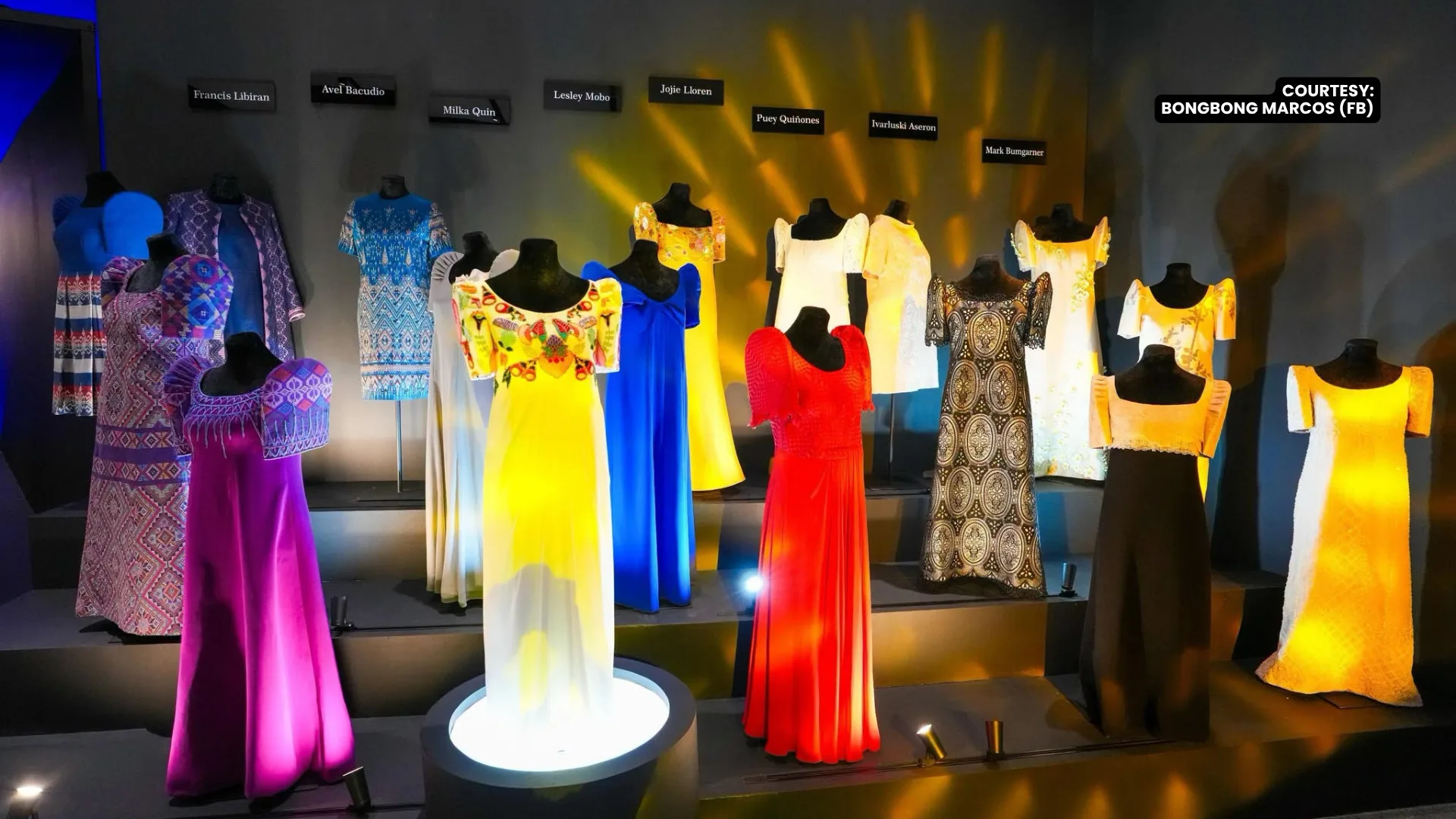
Launched on November 4 at the Metropolitan Museum of Manila in Bonifacio Global City, the book brings together fashion, history and cultural identity through garments worn by the First Lady at official engagements and international events.
President Ferdinand Marcos Jr. and former First Lady Imelda Marcos attended the launch, where Liza personally guided guests through an exhibition featuring some of her Filipiniana ensembles.
But beyond the elegant gowns and carefully crafted ternos, the collection tells a larger story about Filipino creativity.

From courtroom to couture
Before becoming First Lady, Liza built her career as a lawyer and law professor. Her transition into public life brought greater attention to her wardrobe, particularly her preference for contemporary interpretations of traditional Filipino clothing.
The book, produced by longtime makeup artist and creative collaborator Patrick Rosas, features designs by Filipino fashion talents, including Paul Cabral, Michael Leyva and Lesley Mobo.
Among the notable pieces is her 2022 presidential inauguration gown by Mobo, created using vintage piña fabric and traditional Batangas calado embroidery.
The garment, now part of the Philippine Embassy’s permanent cultural collection in Washington, D.C., illustrates how Filipino textiles and craftsmanship can serve as expressions of national identity.
The artistry behind every stitch
What makes Filipiniana particularly meaningful is its recognition of the people whose work often goes unnoticed.
Behind the beauty of a terno are artisans who weave delicate fabrics, embroider intricate patterns and preserve techniques passed down through generations.
These traditional skills remain relevant as Filipino designers find new ways to incorporate indigenous materials and heritage craftsmanship into contemporary fashion.
The book also reflects Liza’s broader interest in promoting Filipino-made products through initiatives such as LIKHA, which provides a platform for local artisans and traditional crafts.
Fashion beyond the spotlight
Filipiniana has long occupied a special place in Philippine history, evolving from traditional dress into a symbol of elegance, identity and cultural pride.
For a First Lady representing the country internationally, clothing can also become a form of cultural diplomacy, introducing Filipino artistry to audiences beyond Philippine shores.
Yet the significance of this collection extends beyond presidential fashion.
It raises a more important question: How can the country ensure that the craftsmanship celebrated on prominent occasions continues to thrive in the communities where these traditions originate?
Preserving Filipino fashion means more than admiring beautiful garments. It also means recognizing the skills, livelihoods and cultural knowledge behind them.
Ultimately, Filipiniana is not simply a record of a First Lady’s wardrobe. It is a reminder that Filipino fashion is a living heritage, shaped by generations of creativity and continually reimagined for the future.
Because the true beauty of Filipiniana is not only in how it looks, but in the Filipino hands and stories woven into every piece.