
Filipinos are known everywhere for being tough. We face super typhoons, rising prices and daily hard times with a smile, leaning on family, friends and faith to pull through. For generations, this ability to bounce back has been treated as our greatest strength. But behind this brave face, a quiet crisis is growing. More and more Filipinos are secretly struggling with their mental health and it is quietly hurting lives, breaking families and draining our country’s future.
The numbers tell a heartbreaking story. Millions of our countrymen are dealing with severe sadness, constant worry and deep emotional stress. Young people and students are taking the heaviest blow, struggling under pressure without knowing where to turn. Calls to national suicide and crisis hotlines are higher than ever before. In classrooms, factories and offices across the country, more people are dropping out, failing or quitting their jobs simply because their minds are exhausted. What many used to brush off as simple dramatic behavior, laziness or a lack of spiritual faith is actually a real medical emergency that needs urgent help.
Even though our leaders passed a national mental health law a few years ago, actual help on the ground remains out of reach for most ordinary citizens. The big problem is that the government still treats mental health like a luxury afterthought rather than a basic need like clean water, roads or public hospitals. On paper, the rights are there, but in real life, the help is not.
The biggest hurdle for ordinary families is a severe lack of doctors and affordable care. The Philippines has less than one mental health doctor for every one hundred thousand people. To make matters worse, almost all of these specialist doctors and private clinics are located in big cities like Metro Manila or Metro Cebu.
For a family living in a distant province or island, getting professional help means paying for long trips, taking time off work, paying thousands of pesos for a short private doctor visit and buying expensive maintenance medicine every single month out of their own pockets.
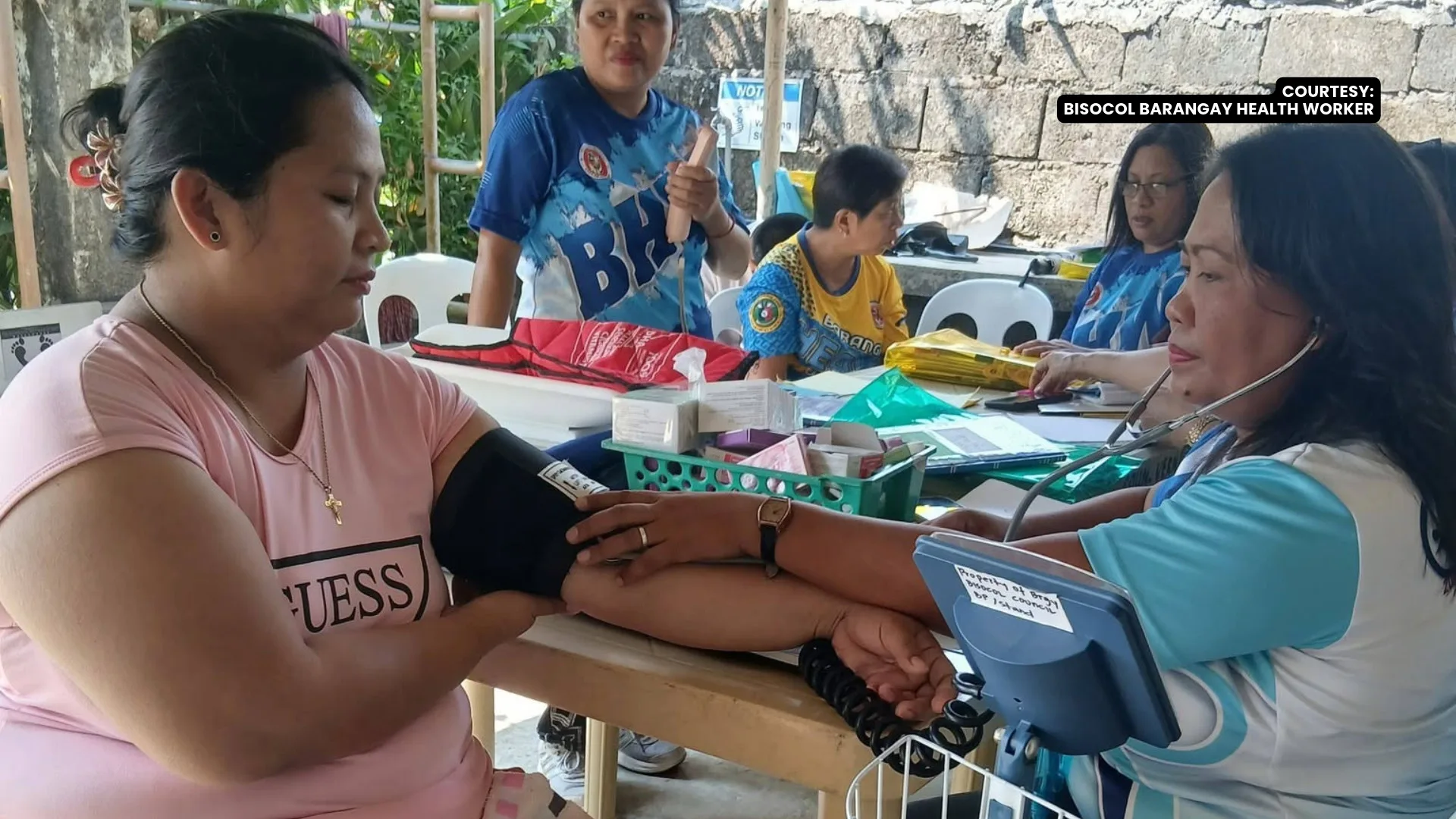
This huge cost makes mental healthcare a privilege for the wealthy, leaving poor and middle-class families completely stranded. When someone gets sick with a high fever or a physical injury, a local barangay health center can easily give out basic medicines or bandage the wound. But if a mother, father or child suffers from severe clinical depression, extreme panic attacks or voices in their head, the local health center usually has nothing to offer, no trained staff, no private space to talk and no medicines to give.
To fix this growing national emergency, the government must take simple, direct, and permanent steps.
First, local health centers in every single municipality must be upgraded to handle basic mental health cases. Town doctors, barangay nurses and community health workers do not need to become world-class specialists overnight, but they must be trained to spot the early warning signs of mental distress, offer basic counseling and provide simple care right in the neighborhood. Bringing care to the barangay level removes the shame and long travel distance that keep people suffering at home in secret.
Second, PhilHealth must step up to cover the real costs of mental illness. Health insurance should fully pay for mental health checkups, counseling sessions and monthly prescription drugs, just like it covers kidney dialysis or heart treatment. No Filipino family should ever have to choose between buying food for the table or buying daily mood-stabilizing medicine for a sick child.
Third, we need real support in our schools and workplaces. Public schools need real, licensed guidance counselors who are dedicated solely to taking care of students’ well-being, rather than dumping extra mental health duties onto already overworked teachers. At the same time, companies and government offices must create environments where workers can ask for help or take a break without fear of losing their jobs or being mocked by their peers.
Finally, we must change how we talk about mental health in our homes and communities. We need to stop calling people “crazy” or telling someone who is suffering to simply “pray it away” or “cheer up.” Mental health problems are real physical health problems, no different from diabetes, high blood pressure or asthma.
We cannot build a strong, rich and successful country on the backs of a suffering population. A nation’s true foundation is not made of concrete bridges or paved highways, but of the strength, peace and resilience of its people’s minds.
The time for empty awareness campaigns, sympathetic speeches and paper promises has long passed.
Our lawmakers and local leaders must act now: fund our community health centers, expand PhilHealth to cover full psychiatric care and put real mental health professionals in every public school and municipality across the country.
And in our own homes and neighborhoods, every single one of us must choose empathy over judgment, breaking the stigma that forces our loved ones to suffer in the dark.
Demand better from our government, check on your family and friends and treat mind care as the urgent human right it has always been. Every day our leaders delay, another Filipino suffers in silence, and our nation loses another piece of its future.