
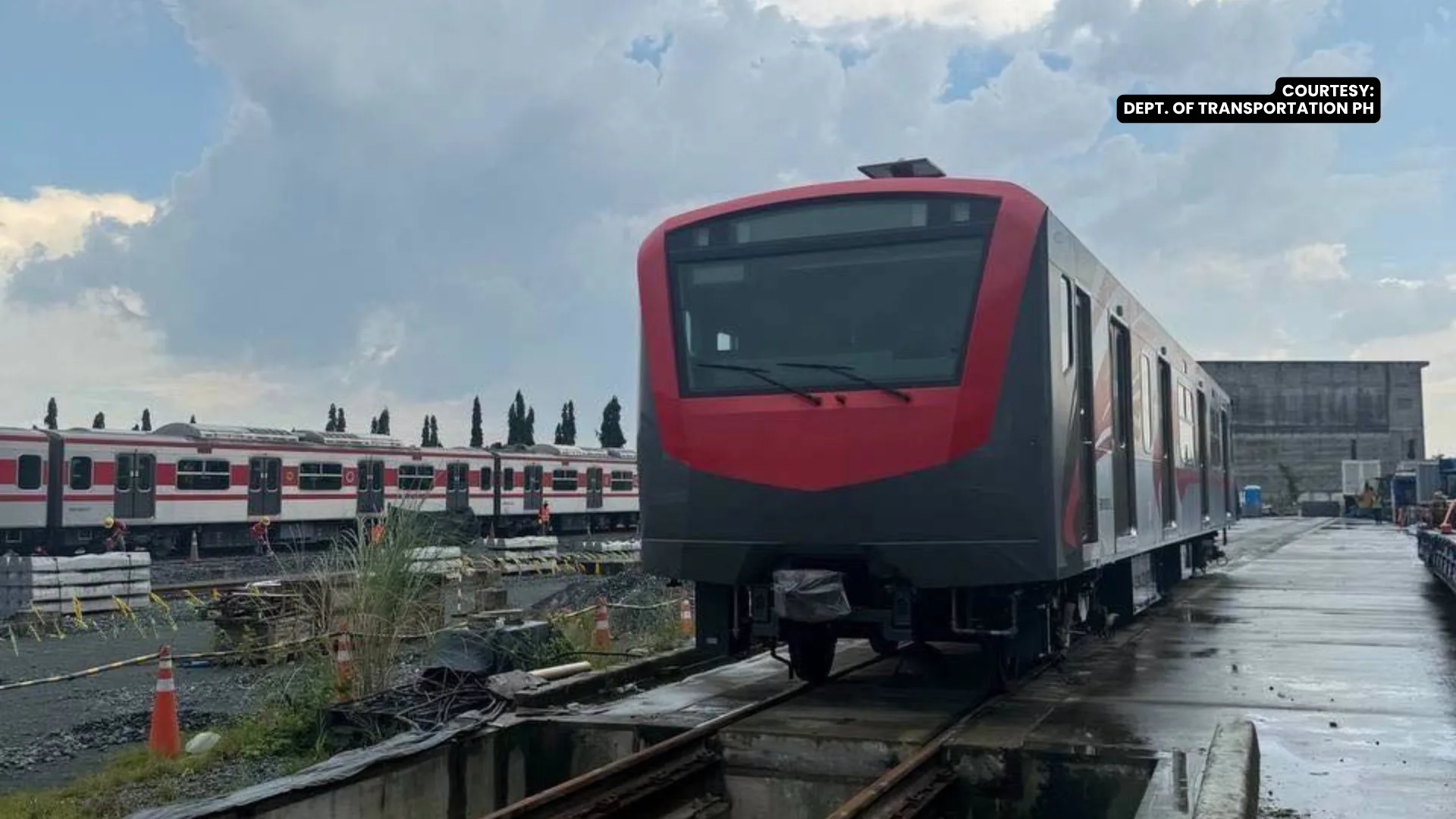
Malacañang highlighted the long-term socio-economic benefits of the 147-kilometer North-South Commuter Railway (NSCR) system, describing the massive infrastructure network as a transformative driver for regional investment and employment generation across Luzon.
The executive branch emphasized that connecting major urban centers across Central Luzon, Metro Manila, and Calabarzon will do more than ease severe road congestion. By linking key industrial zones and international airports, the rail corridor is structured to stimulate business expansion outside the crowded capital.
”The completion of the full NSCR project will lead to the decongestion of our main thoroughfares, especially within Metro Manila,” President Ferdinand Marcos Jr. said, underscoring that the infrastructure will ”promote environmental sustainability and public health” while spurring economic momentum.
Beyond transit benefits, the administration pointed to significant workforce opportunities generated during both the construction phase and subsequent commercial operations. Tens of thousands of direct and indirect jobs are expected to support local communities along the 35-station corridor.
The multi-billion-peso railway project, co-financed by the Asian Development Bank (ADB) and the Japan International Cooperation Agency (JICA), remains central to the national government’s strategy to build resilient transport networks and spread economic growth beyond Metro Manila.