
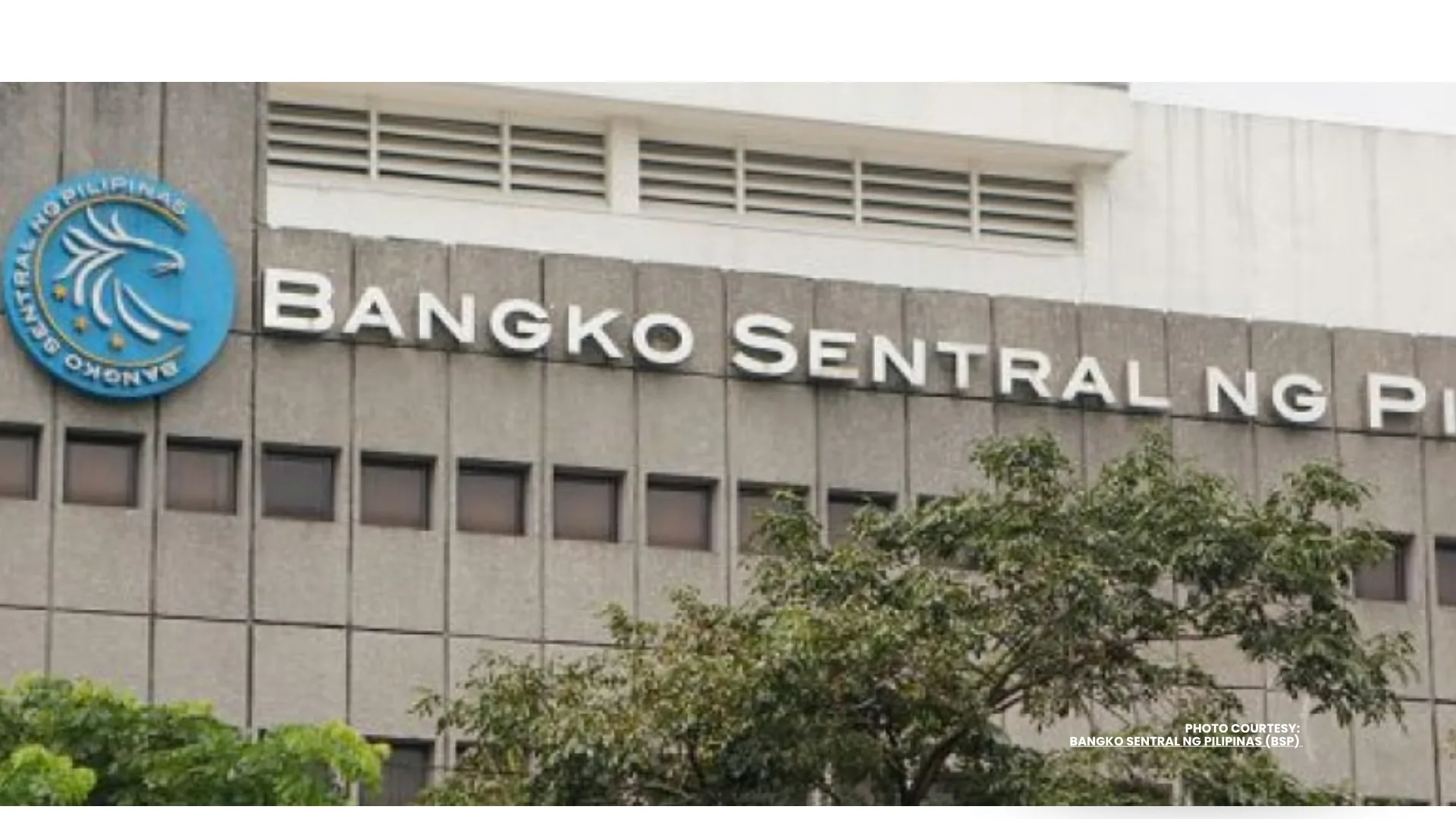
Philippine business confidence fell for the second straight month in April as firms grew more cautious over the possible impact of the Middle East conflict on inflation, fuel prices, operating costs, and consumer spending.
The Bangko Sentral ng Pilipinas (BSP) said its latest monthly Business Expectations Survey showed the business confidence index dropping to -35.8 percent in April from -24.3 percent in March.
A negative confidence index means pessimistic respondents outnumbered optimistic ones, reflecting weaker sentiment among businesses during the period.
The decline was largely tied to concerns that geopolitical tensions in the Middle East could push up global oil prices, raise production and transport costs, and further strain household purchasing power.
Despite the weaker current outlook, businesses turned more optimistic about the months ahead.
The confidence index for the next three months improved to -7.5 percent from -17.3 percent, while the 12-month outlook rose to 19.5 percent from 11.7 percent.
The BSP said the more upbeat forward outlook was driven by expectations of stronger demand, higher sales and income, improved economic conditions, and the possible easing or resolution of the Middle East conflict.
Businesses also reported positive hiring intentions for the next three and 12 months, a sign that firms may continue to support labor market activity despite near-term uncertainty.
However, fewer firms in the industry sector said they plan to expand, as elevated fuel prices and global uncertainties continue to weigh on investment decisions.
Inflation expectations also remained a concern. Firms expect price pressures to stay elevated, with average 12-month inflation expectations breaching the BSP’s 4.0-percent tolerance ceiling.
The BSP said it continues to monitor the possible spillover effects of the Middle East conflict on domestic prices and the broader economy.
The central bank also said it is prepared to take policy action if needed to prevent inflation expectations from drifting away from its 3-percent target.
The BSP shifted to a monthly Business Expectations Survey in January 2026 to provide a more timely reading of business sentiment and allow quicker policy response to changing domestic and global conditions.