
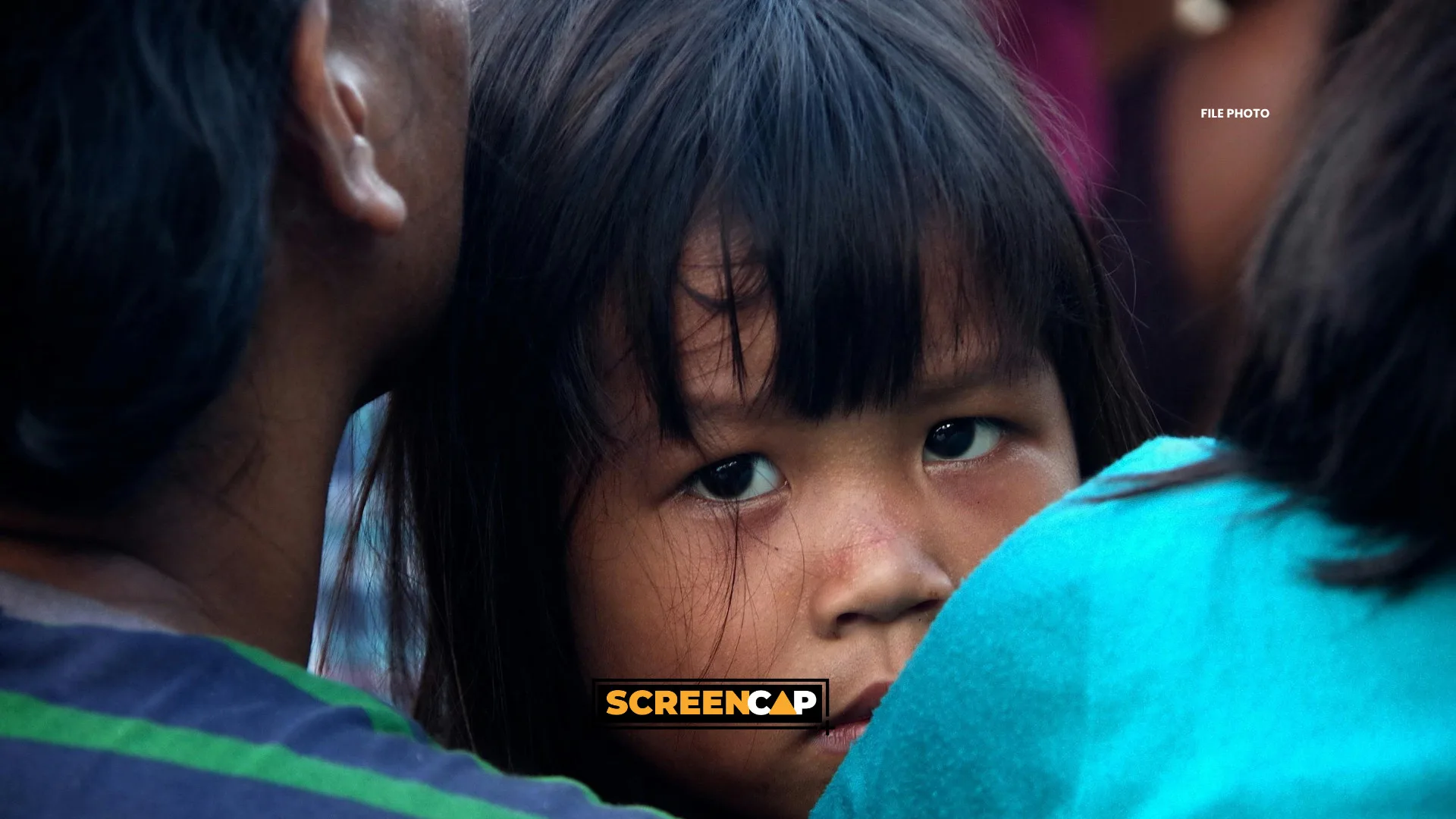
The Department of the Interior and Local Government (DILG) has launched a nationwide initiative aimed at strengthening child protection mechanisms at the local level, equipping local government units (LGUs) with tools to better prevent and respond to abuse, violence, and exploitation.
The program, which introduces the Local Child Safeguarding and Protection Policy (LCSPP) Document Guide and an accompanying e-learning course, was unveiled at the DILG-NAPOLCOM (National Police Commission) Center. It was developed in partnership with the Council for the Welfare of Children and Stairway Foundation Inc.
According to the DILG, the initiative supports the government’s push for stronger, more responsive child protection systems embedded within everyday local governance.
“What’s been missing is a safeguarding system that is localized, institutionalized, and embedded in the way LGUs actually operate—not a checklist, but a system,” explains DILG Assistant Secretary for International Relations Lilian De Leon.
The LCSPP tools are designed to guide LGUs in key areas such as prevention, reporting, referral, case management, and monitoring. The department said these measures aim to ensure that child protection efforts are sustained and systematic rather than occasional or reactive.
Through the rollout, LGUs are expected to enhance frontline services, strengthen coordination among local offices, and create safer communities where children can grow and develop without fear of harm.
During the launch, officials from government agencies, development partners, and child representatives signed a pledge of commitment, underscoring a “whole-of-government and whole-of-society” approach to safeguarding children.
The DILG said the LCSPP reflects a collaborative effort among partner organizations, combining policy direction, technical expertise, and grassroots implementation.
“With the nationwide rollout of these tools, the DILG reaffirms its commitment to child-centered, accountable, and responsive local governance,” the agency said. “Every Filipino child must be protected, valued, and given the opportunity to reach their full potential.”