
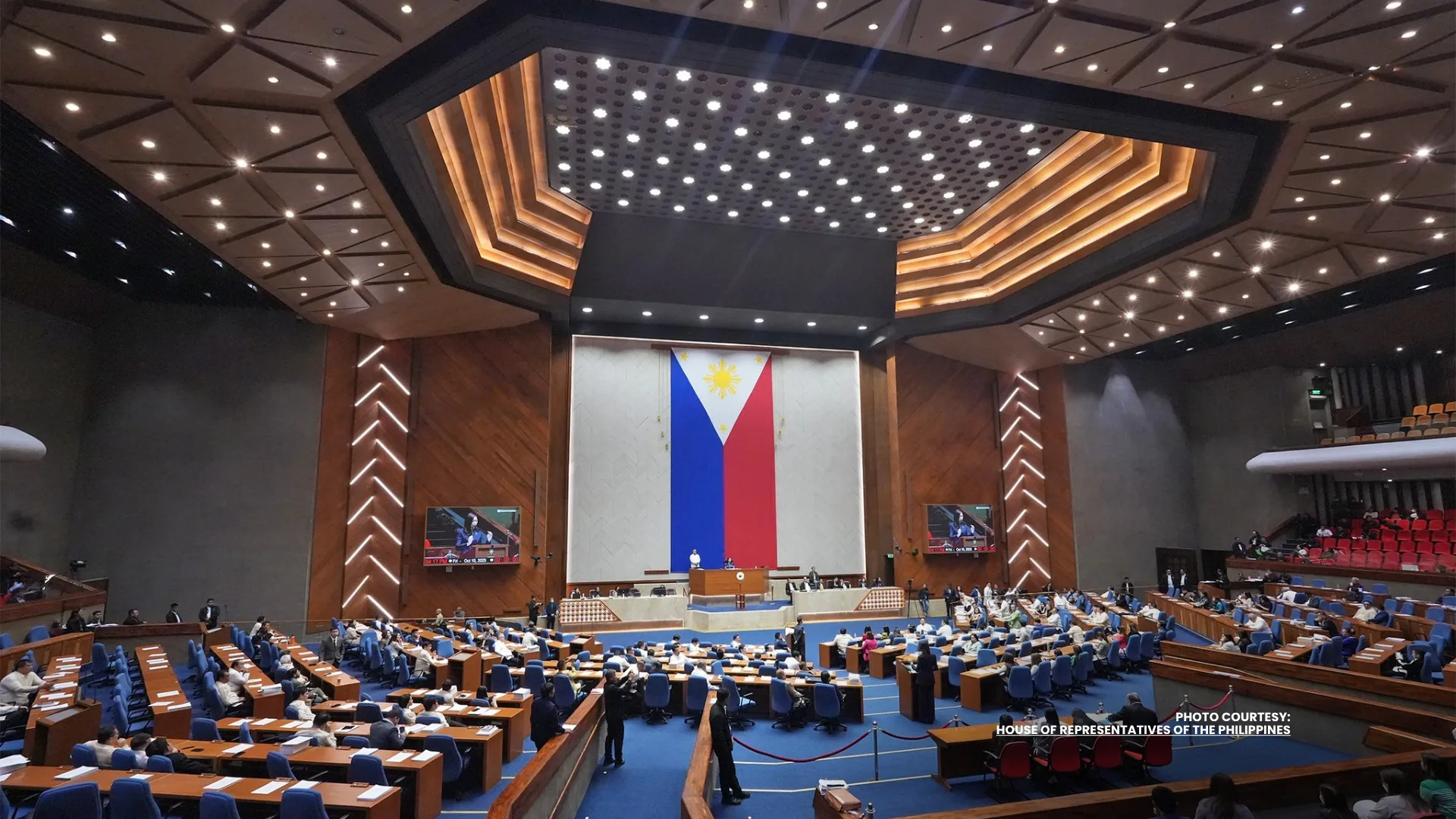
The House of Representatives formally approved and transmitted the Articles of Impeachment against Vice President Sara Duterte to the Senate, paving the way for an impeachment trial that could further deepen political tensions within the government.
Voting 257-25 with nine abstentions, lawmakers adopted House Resolution No. 989 along with the findings and recommendations contained in Committee Report No. 261, securing well beyond the constitutional requirement needed to elevate the case to the Senate.
The vote marked the second time the House impeached Duterte, following an earlier impeachment complaint endorsed and transmitted last year.
Senior Deputy Majority Leader and Iloilo Rep. Lorenz Defensor moved for the formal endorsement of the Articles of Impeachment and all supporting documents to the Senate in accordance with constitutional provisions and House impeachment rules.
“Mr. Speaker, I move to endorse to the Senate the resolution setting forth the Articles of Impeachment, together with all the annexes pursuant to the rules of House on Impeachment Proceedings,” Defensor said during plenary deliberations.
He also sought authority for the House Secretary General to immediately prepare and transmit the documents to the Senate for appropriate action.
Presiding officer and Senior Deputy Speaker Ferdinand Hernandez approved the motion after no objections were raised by members of the chamber.
“The resolution setting forth the Articles of Impeachment, together with all annexes, is hereby endorsed to the Senate,” Hernandez declared.
Defensor later moved to furnish copies of the committee report, impeachment articles, and annexes to Duterte, the complainants, and their respective legal counsels once the records are transmitted.
The motion was likewise approved without objection.
The House action effectively concluded its role in the impeachment proceedings, shifting the process to the Senate, which is expected to convene as an impeachment court.
Duterte is facing allegations that include the alleged misuse of confidential funds, unexplained wealth, bribery, graft and corruption, as well as alleged threats against President Ferdinand Marcos Jr., First Lady Liza Araneta-Marcos, and former House Speaker Ferdinand Martin Romualdez.
Under the Constitution, at least one-third of the House’s 318 members, or 106 lawmakers, are required to approve an impeachment complaint before it can be elevated to the Senate for trial. The 257 votes in favor of impeachment comfortably surpassed that threshold.