
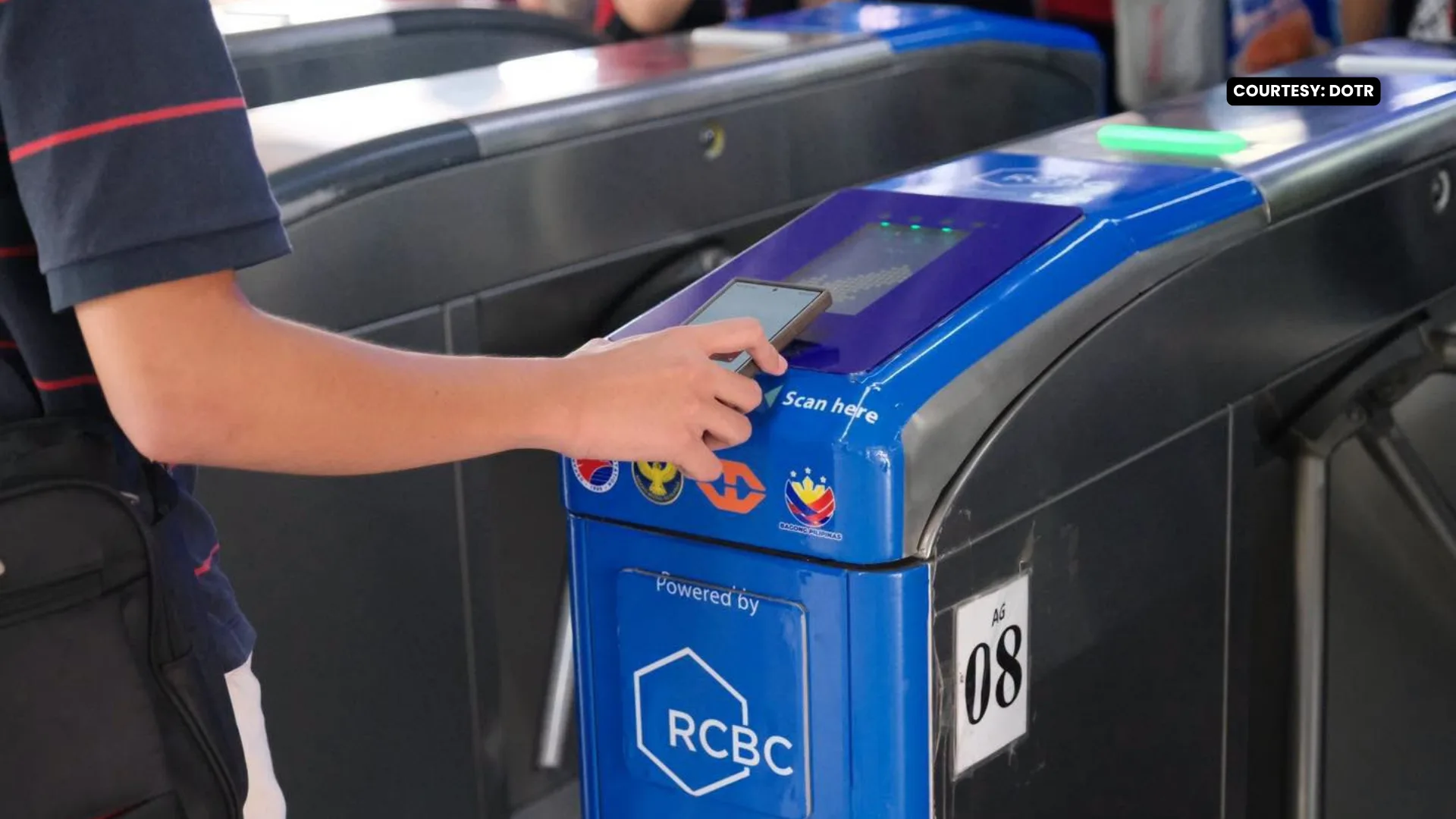
Passengers of Light Rail Transit Line 2 can now pay their fares directly through their mobile phones using GCash Commute QR, allowing them to bypass ticket lines and proceed directly to station turnstiles.
GCash joined the Department of Transportation, Light Rail Transit Authority, Bangko Sentral ng Pilipinas, Rizal Commercial Banking Corp. and Visa in launching new cashless payment options across LRT-2 stations serving Manila, San Juan, Quezon City, Marikina, Pasig and Antipolo.
The rollout forms part of LRT-2’s transition to a cashless fare system, which also supports NFC-enabled Tap-to-Pay transactions and payments through Visa and Mastercard.
“This initiative supports rail modernization and the adoption of a National Standard for Automated Fare Collection, enabling more seamless, efficient, and integrated payments across transport modes,” DOTr Secretary Giovanni Lopez said.
Paul Albano, GCash for Business general manager at G-Xchange Inc., the mobile wallet operator of GCash, said the company is committed to working with the government to modernize public transportation payments.
“We are committed to partnering with the government to modernize payments in public transportation and make commuting easier for more Filipinos,” Albano said.
“Through payment innovation and strong public-private collaboration, we aim to support nation-building and help create a more inclusive digital economy,” he added.
To use the service, passengers may proceed directly to the turnstile, scan their GCash Commute QR and enter the train platforms without purchasing a physical ticket.
The rollout marks the initial phase of a wider effort to modernize the LRT-2 fare collection system. GCash also plans to introduce GCash Tap-to-Pay and GCash Visa card payments for entry and exit across all stations.
The cashless payment system is expected to benefit millions of commuters. According to the LRTA, LRT-2 served more than 58.7 million passengers last year.
The new payment options are also expected to reduce queues during peak hours, particularly for students traveling to the University Belt and workers using some of Metro Manila’s busiest transport corridors.
The LRT-2 rollout follows similar integrations on Metro Rail Transit Line 3 and the EDSA Busway, where GCash cashless payments have already been deployed under high passenger volumes.
GCash said those earlier implementations demonstrated that digital fare systems could meet actual commuting demands and provided the foundation for their expansion to LRT-2.