
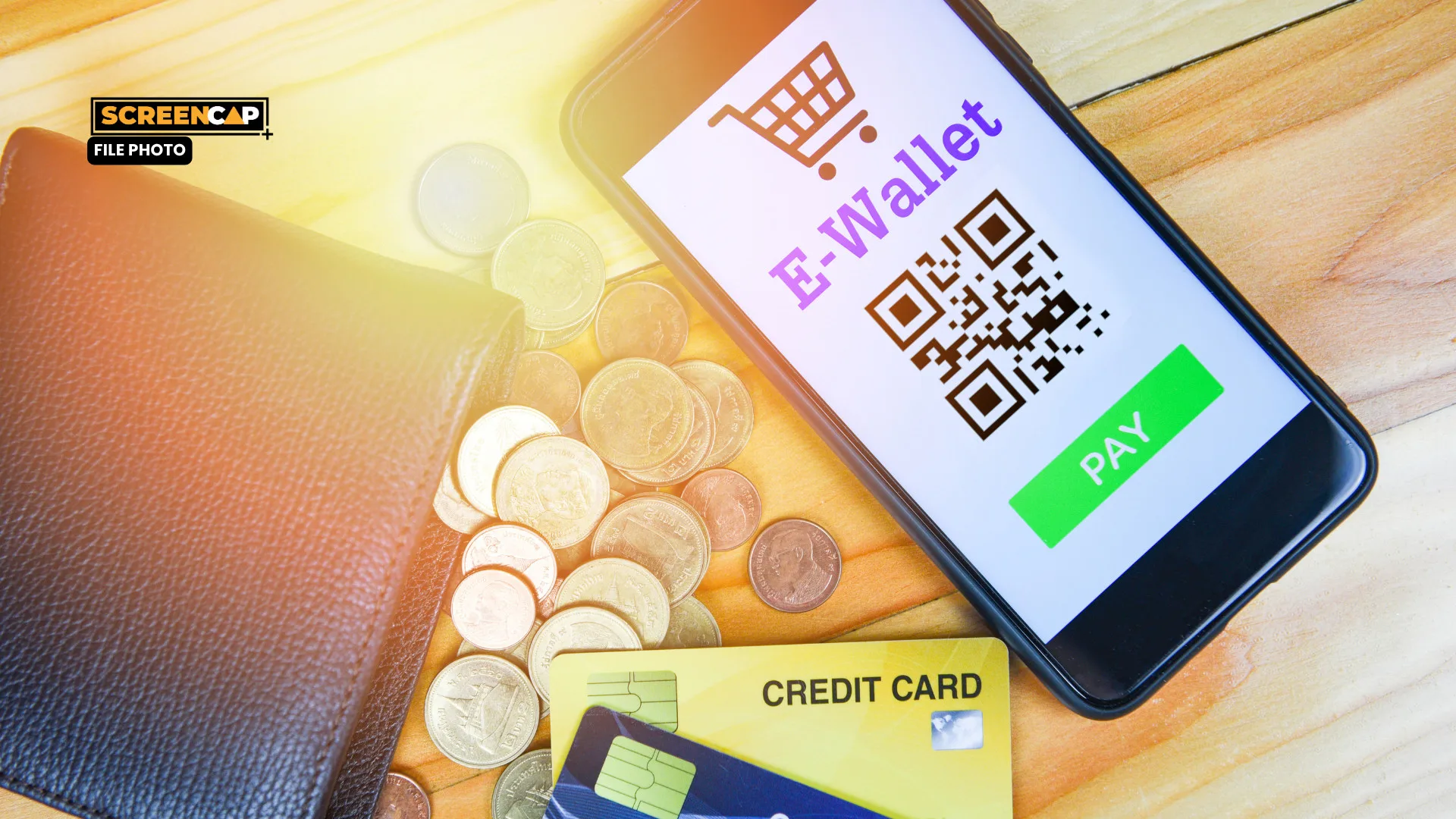
Senator Erwin Tulfo on Thursday urged digital and traditional banks, e-wallet platforms, telecommunications providers and financial regulators to make digital services “easy to enter, easy to understand and easy to use” to drive genuine financial inclusion across the country.
“Digital financial inclusion is not simply about getting more Filipinos to use digital wallets or bank apps. It is about making sure that every Filipino, regardless of income, location, age or level of digital familiarity, can actually access and use financial services safely, easily, and with confidence,” Tulfo said.
Tulfo highlighted that many Filipinos still struggle to navigate banking apps and e-wallet onboarding, driving them away from the formal financial system. He urged financial institutions to look beyond transaction costs and focus on eliminating operational hurdles for everyday users.
While acknowledging that digital banks and e-wallet platforms can lower or remove transfer charges, Tulfo stressed that fee waivers alone are insufficient if the underlying platforms remain inaccessible or intimidating.
“If a person cannot easily open an account, does not have reliable connectivity, finds an application difficult to use, or is afraid of making a mistake or becoming a victim of fraud, eliminating a transaction fee will not itself make that person financially included,” he noted.
“We need an ecosystem where different financial services can work together and where consumers are not forced to navigate unnecessary barriers simply to move money or access basic financial services,” Tulfo added.
The senator acknowledged the efforts of Bangko Sentral ng Pilipinas (BSP) in prioritizing financial inclusion through basic deposit accounts, digital payment adoption and fintech regulation. However, he emphasized that the main hurdle lies in executing these initiatives for first-time or tech-averse users.
“We also have to recognize that not everyone starts from the same place. Some Filipinos are highly comfortable with digital technology, while others, particularly first-time users, may need simpler interfaces, clearer instructions, and more assistance. Digital financial inclusion therefore requires not only technology but also financial and digital literacy,” Tulfo explained.
He concluded that an inclusive digital economy must serve all sectors of society, from micro-entrepreneurs to senior citizens, without making them feel excluded by design or complexity.
“Ultimately, digital financial inclusion is about giving people more choices and fewer obstacles. It should allow a market vendor, farmer, worker, senior citizen, student or small entrepreneur to participate in the formal financial system without feeling that it is too complicated, too costly or simply not meant for them,” he said.