
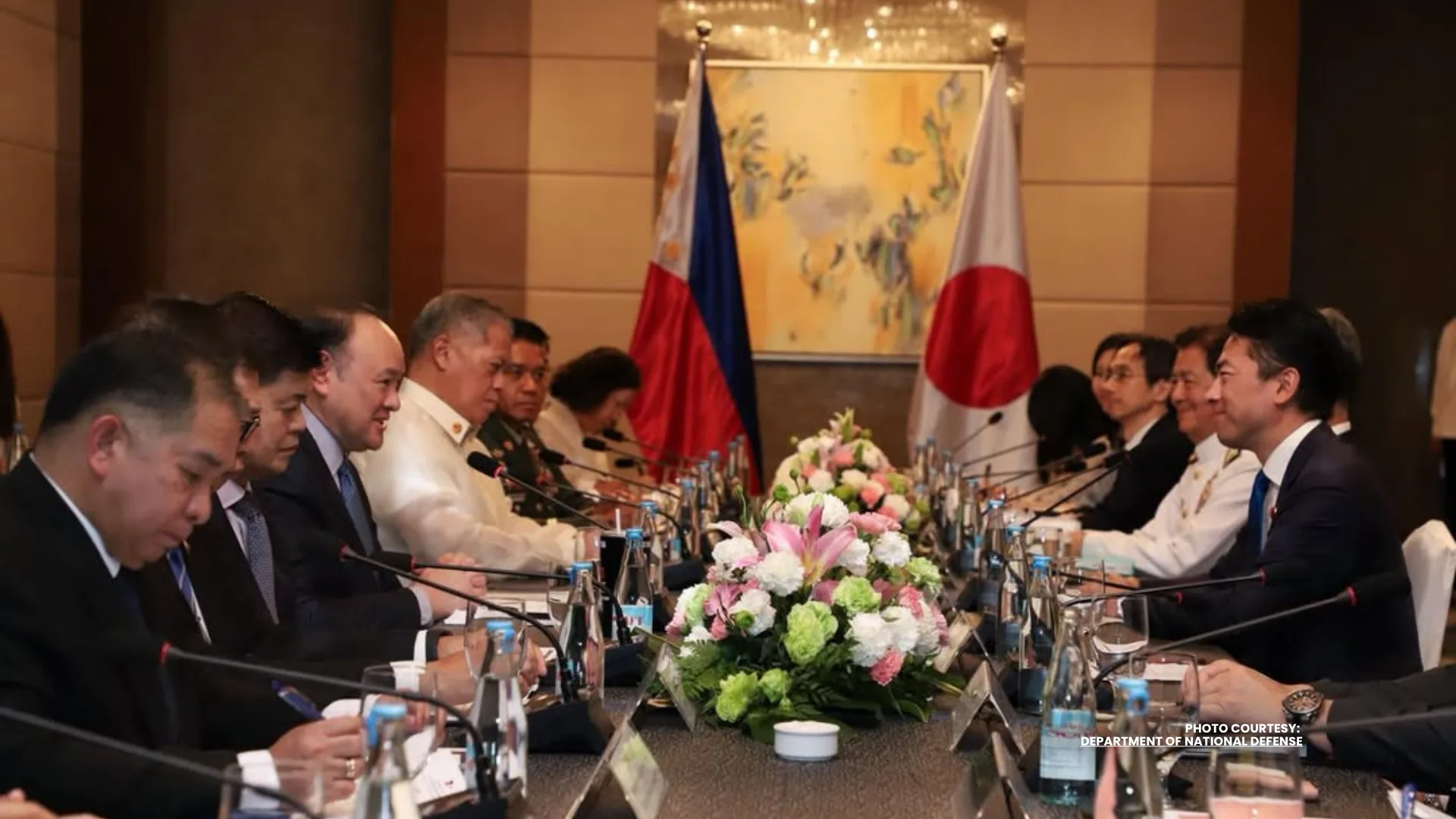
The Philippines and Japan are moving to further strengthen their defense partnership, with talks underway on the possible transfer of naval vessels and surveillance aircraft to boost Manila’s maritime and security capabilities.
During a meeting in Makati City, Japanese Defense Minister Shinjiro Koizumi and Defense Secretary Gilberto Teodoro Jr. discussed expanding cooperation on defense equipment and technology, including plans for the potential transfer of decommissioned ships and additional aircraft.
Koizumi said both sides agreed to advance discussions toward “comprehensive equipment cooperation,” expressing optimism over the early transfer of Abukuma-class destroyer escorts and TC-90 patrol aircraft, along with other defense assets. The Abukuma-class vessels are scheduled to be retired from Japanese service next year.
The talks come as Japan continues to ease restrictions on the export of defense equipment, opening the door for closer military collaboration with partners like the Philippines. Koizumi said the updated policy would allow Tokyo to play a greater role in promoting regional and global stability.
Both officials also welcomed progress in implementing the Reciprocal Access Agreement, which took effect last year and enables expanded joint training and deployments between the two countries.
Japan’s growing involvement is evident in this year’s Balikatan exercises, where multiple countries—including the United States and regional allies—are participating in joint drills. Koizumi is set to observe a key maritime strike exercise in Ilocos Norte, where allied forces will target a decommissioned vessel using coordinated air and ground assets.
Teodoro welcomed Japan’s policy shift and said working groups are now finalizing details of the potential transfers. He noted that the TC-90 aircraft being discussed would add to similar units previously provided by Japan, helping enhance the Philippines’ maritime domain awareness.
The defense chief also underscored ongoing discussions to expand radar systems and other surveillance capabilities, which he said are critical to strengthening the country’s ability to monitor its territorial waters.
In a joint statement, the two officials reiterated their shared stance against unilateral actions that seek to alter the status quo by force, particularly in the South China Sea and the East China Sea. They also expressed concern over rising tensions in the region and emphasized the importance of continued coordination and consultation.
Both sides affirmed that deeper defense cooperation remains essential to strengthening national resilience and maintaining peace and stability in the Indo-Pacific.