
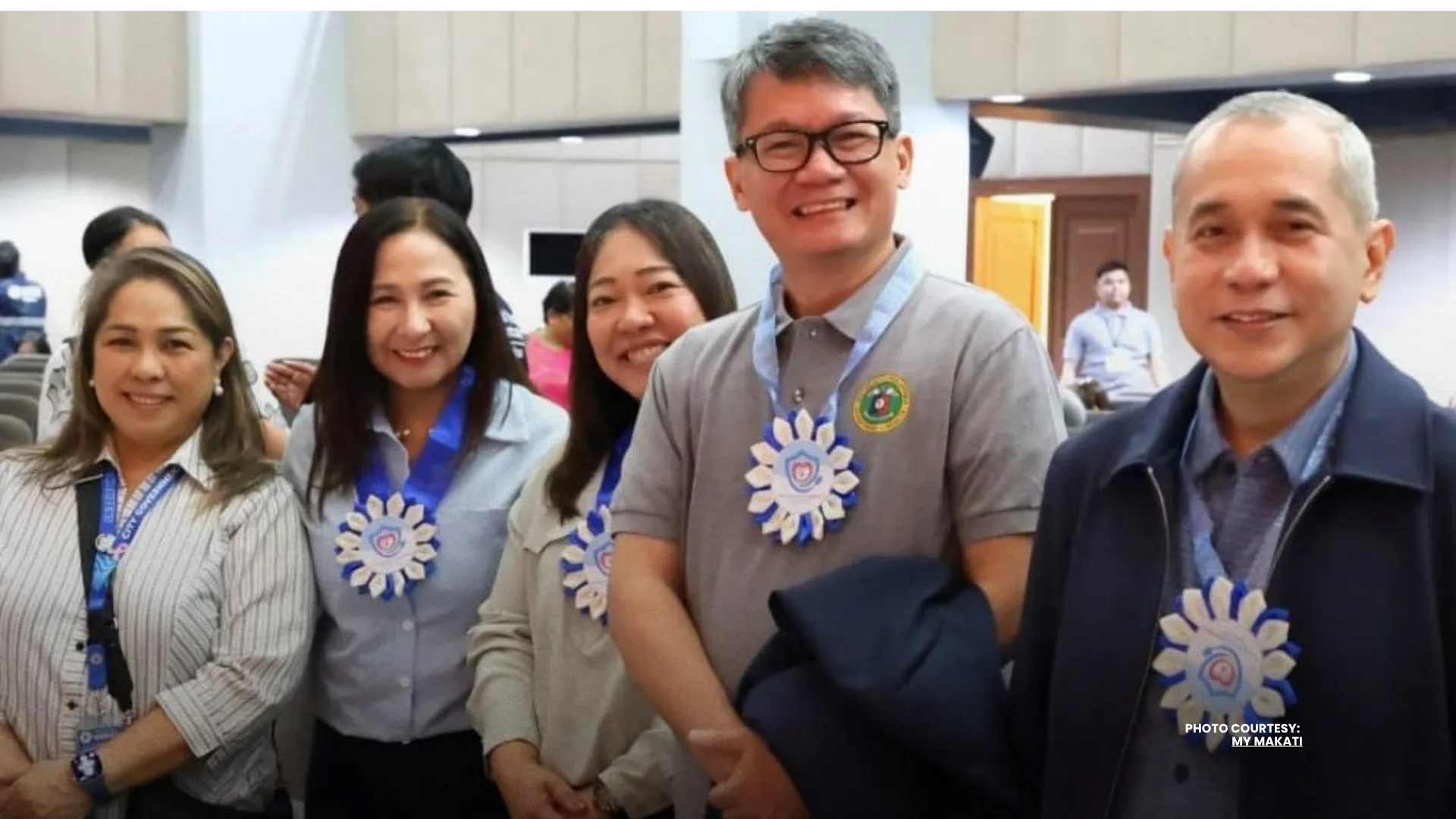
The Makati City Government partnered with the Department of Health – Metro Manila Center for Health Development (DOH-MMCHD) in promoting preventive healthcare through the “Proteksyon sa Altapresyon: Hypertension Awareness and Screening Campaign” held at the University of Makati.
The initiative aimed to strengthen public awareness about hypertension, a major health concern recognized as one of the leading causes of heart disease and other serious medical complications.
The campaign underscored the importance of early detection, regular health monitoring, and healthy lifestyle practices in reducing the risks associated with high blood pressure, which remains a growing public health challenge.
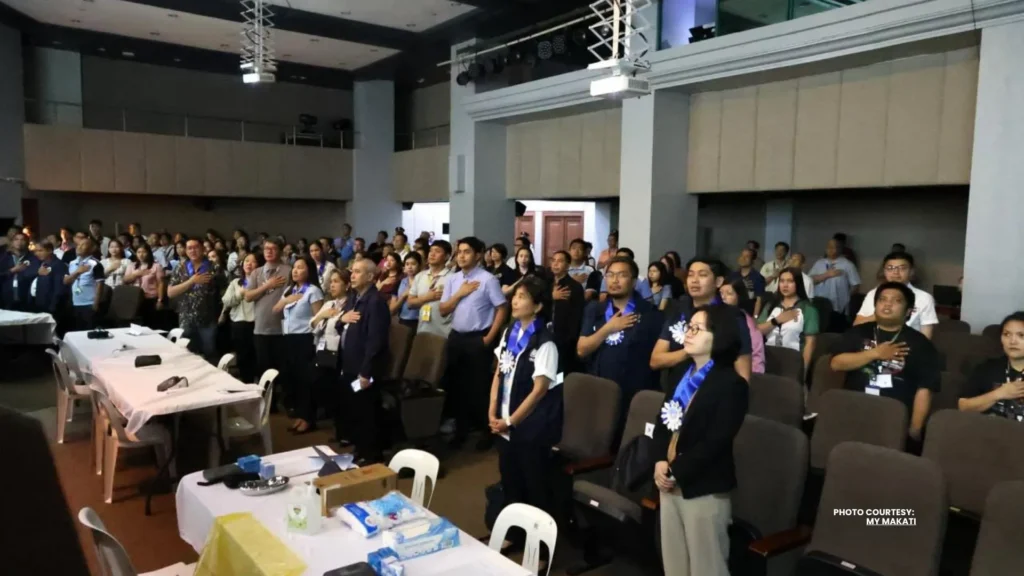
Health officials, local government leaders, and representatives from partner institutions gathered for the event to emphasize the role of collaboration in advancing public health initiatives and improving access to healthcare services.
Among those who attended the program were DOH–MMCHD Regional Director Dr. Lester Tan, Makati City Health Officer Dr. Bernard Sese, Councilor Maribel Vitales, University of Makati President Dr. Elyxzur Ramos, Acting World Health Organization Representative to the Philippines Dr. Eunyoung Ko, Assistant Regional Director Dr. Janice Kathleen Malesido, along with other health and local government officials.
The program featured health education lectures designed to inform participants about hypertension prevention and management, as well as wellness activities encouraging healthier habits among residents.
Free health screening services were also provided during the event to help participants monitor their blood pressure and identify potential health concerns early.
According to the source agency, the initiative highlighted the importance of preventive healthcare efforts while encouraging residents to prioritize their overall well-being and adopt healthier lifestyles to reduce the risk of developing hypertension and related illnesses.
The campaign forms part of continuing efforts to strengthen community-based health programs and increase public awareness about non-communicable diseases through education, early intervention, and accessible healthcare services.