
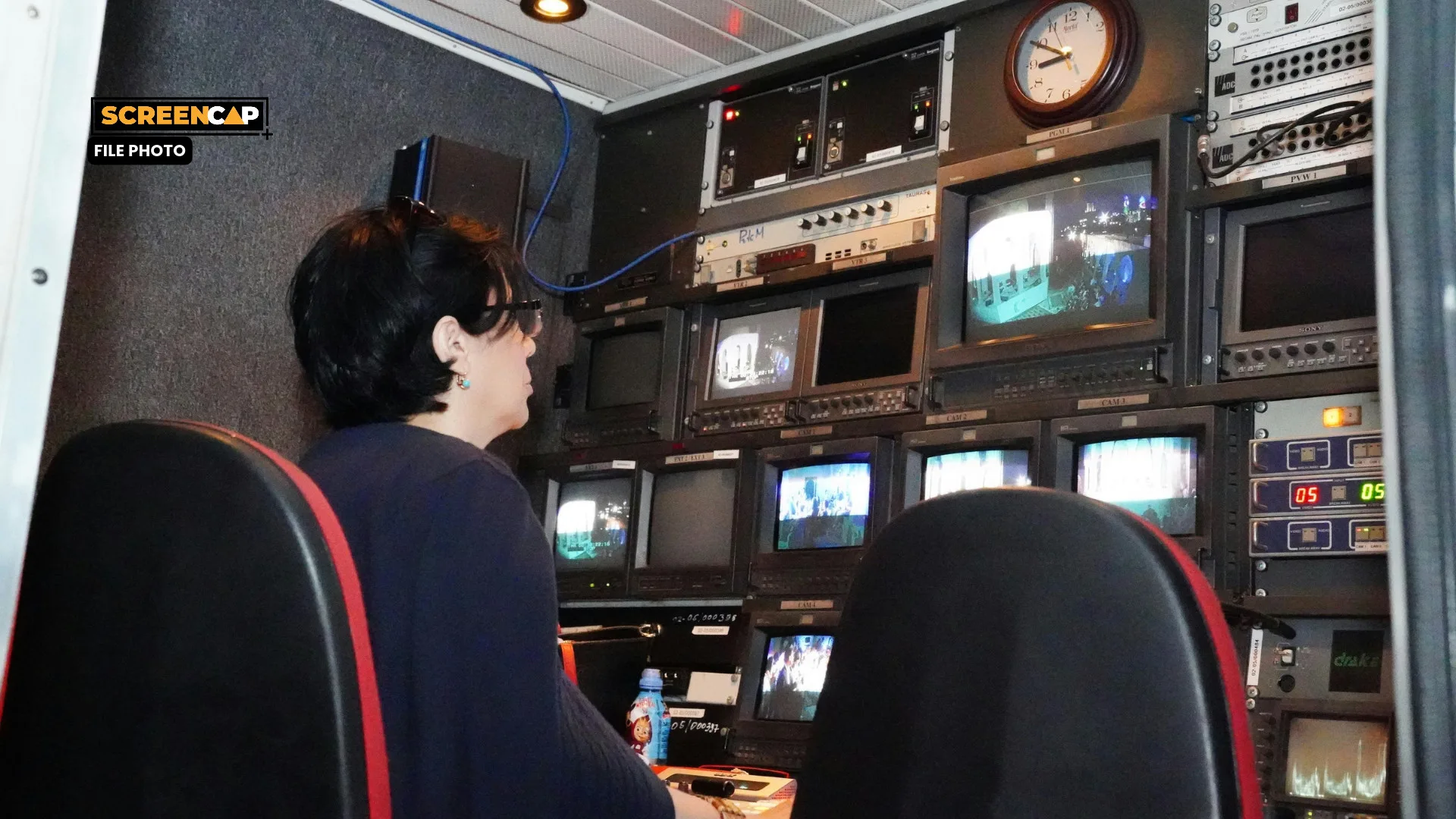
Delays in government-led assistance programs for vulnerable households have prompted major broadcast network GMA to challenge the upcoming analog television switch-off schedule.
GMA Network Inc. has formally petitioned the National Telecommunications Commission (NTC) to postpone the mandatory November 22 analog shutdown deadline, pointing to unresolved implementation guidelines for subsidizing consumer transitions.
NTC Deputy Commissioner Alvin Blanco confirmed that GMA’s request focuses on the status of a joint memorandum circular (JMC) assistance framework managed by the Department of Information and Communications Technology (DICT).
Under the joint directive, the DICT, NTC, Presidential Communications Office (PCO), and partner agencies were tasked with establishing support measures to prevent low-income television households from losing access to free-to-air broadcasts during the digital shift.
Blanco stated that the lack of clear operational guidelines for this assistance program formed the core of GMA’s argument for delaying the transition cutoff.
The NTC plans to forward GMA’s letter to the DICT to address the broadcaster’s operational concerns.
“For now, unless we receive advice from the DICT to consider studying the possibility of an extension, the memorandum circular stands,” Blanco said.
NTC Memorandum Circular No. 005-11-2025, promulgated in November 2025, mandates that all television stations operating in initial phase territories fully migrate to the Integrated Services Digital Broadcasting-Terrestrial (ISDB-T) standard within 12 months, setting a deadline of Nov. 22, 2026.
The initial rollout phase encompasses Metro Manila alongside the provinces of Bulacan, Cavite, Rizal, Laguna, Pampanga, and Bataan.
Data from a December 2024 Kantar Media Philippines survey commissioned by the DICT revealed that approximately 80 percent of television households across Mega Manila had already transitioned to digital reception.
Blanco noted that any change to the switch-off timetable would require formal administrative revisions.
“If the government decides to grant an extension, the NTC would have to revisit the existing memorandum circular and follow the required procedures,” Blanco also said.
Digital terrestrial broadcasting expands channel options per frequency while enhancing audio-visual clarity, signal stability, and enabling integrated emergency warning system alerts during disaster situations.
Blanco added that the NTC will evaluate regional readiness levels before finalizing analog shutdown timelines for remaining areas nationwide.