
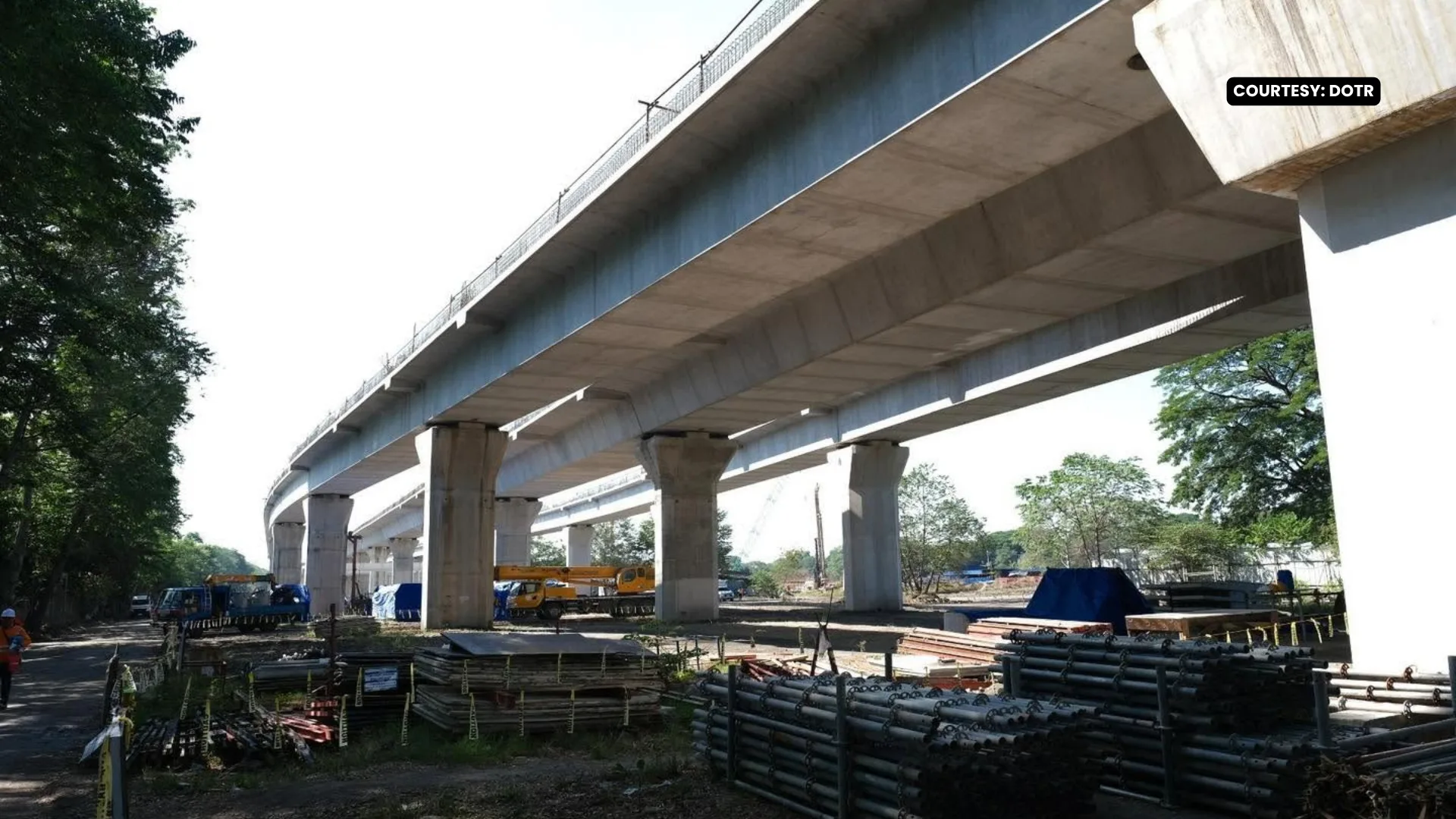
The government approved 12 major railway projects worth more than $30 billion from 2012 to 2020, marking a significant turnaround after decades of slow development in the country’s rail sector, the Department of Transportation said.
DOTr Undersecretary for Railways Timothy John Batan said seven of the 12 approved projects are currently under construction, one has been completed, and six are expected to begin operations within the next seven years.
The government’s railway portfolio includes the LRT Line 2 East Extension, LRT Line 1 Cavite Extension, MRT 7, North-South Commuter Railway Project, LRT Line 2 West Extension, NSCR North Extension, NSCR South Extension, Metro Manila Subway Project, Mindanao Rail Project Segment 1, South Long Haul Project, and MRT 4.
Batan said all 12 projects were designed as fully electric railway systems, supporting the government’s push for cleaner and more sustainable transportation.
The North-South Commuter Railway, the largest among the projects, is expected to accommodate approximately 800,000 passengers daily once fully operational.
Meanwhile, the Metro Manila Subway, the country’s first underground railway, is projected to serve more than 500,000 passengers each day.
Batan said the department had awarded 57 railway contracts to more than 40 companies worldwide over the past decades, with each contract averaging approximately $400 million.
The government received 166 bids from 137 companies across 15 countries, reflecting growing confidence among international contractors and investors in the country’s railway program.
The DOTr is also working closely with multilateral institutions such as the Asian Development Bank and the World Bank, as well as bilateral partners including the Japan International Cooperation Agency, to ensure that the projects meet international standards for bankability, risk management, and sustainability, Batan said.
Among the government’s flagship railway developments is MRT 7, which is 87 percent complete and targeted to begin operations in the first half of next year.
The 24-kilometer elevated railway will connect Metro Manila with rapidly growing communities in the north via intermodal stations designed to enable seamless transfers between trains and other public transportation.
The Metro Manila Subway, meanwhile, will span 33 kilometers and have 17 stations. Once fully operational, the country’s first subway system is expected to accommodate more than 500,000 passengers daily.