
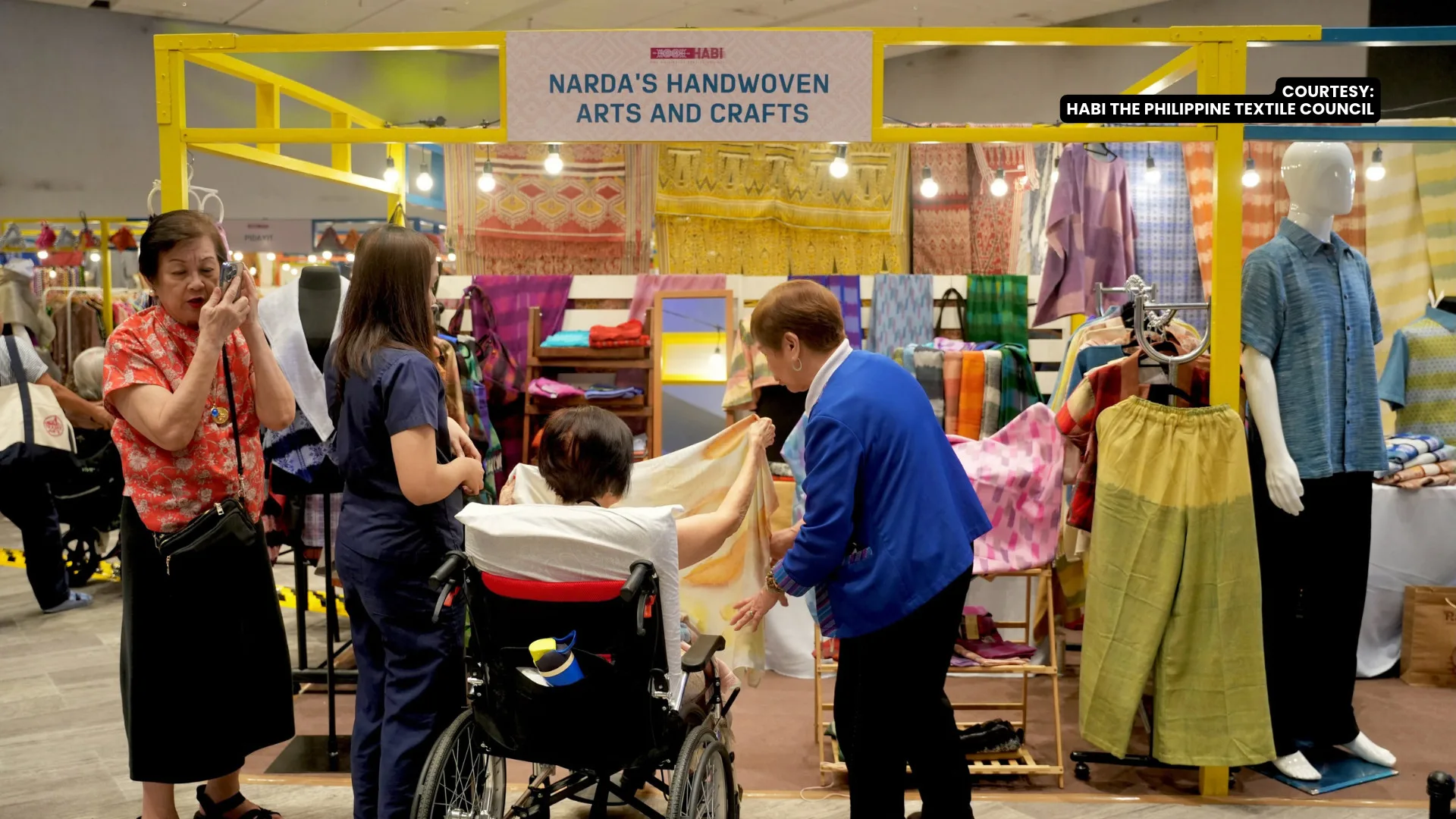
Behind every handwoven Filipino textile lies a story of craftsmanship, cultural identity, and generations of knowledge. These traditions are taking the spotlight as 100 exhibitors gather for the 16th Likhang HABI Market Fair at One Ayala in Makati City from October 9 to 11.
Organized by HABI: The Philippine Textile Council, the three-day event brings together weavers, artisans, fashion designers, and small businesses from different parts of the country, showcasing how traditional weaving continues to find its place in contemporary Filipino life.
With the theme “Worth Every Thread,” this year’s fair encourages consumers to look beyond the appearance and price of handmade products and recognize the labor, skills, and cultural heritage involved in their creation.
Visitors can explore regional textiles such as inabel from Ilocos, suksok from Aklan, and t’nalak from Cotabato, alongside clothing, accessories, and other products made from indigenous fibers, including abaca and piña.
The gathering also provides a marketplace for local enterprises seeking to introduce their products to new customers and strengthen their presence in the fashion and handicraft industries.
More than just fabrics
For HABI, the annual event represents a continuing effort to protect Philippine weaving traditions while helping the communities behind them secure sustainable livelihoods.
HABI President Mia Villanueva has emphasized the importance of understanding the work involved in producing handmade textiles, particularly as consumers question why locally woven products often carry higher prices than mass-produced alternatives.
Unlike factory-manufactured fabrics, traditional textiles can require extensive manual preparation, specialized techniques, and skills developed through years of practice.
The council is also promoting greater recognition of the people behind the products by identifying the materials used and the individuals or communities responsible for producing them.
This approach seeks to give artisans greater visibility while encouraging buyers to appreciate the origins and authenticity of locally made textiles.
The fair’s growth also reflects expanding opportunities for weaving enterprises. According to HABI, some participants who began with limited product selections have developed larger businesses and created additional work for other artisans.
Celebrating the next generation of Filipino weavers
Beyond its commercial activities, the event features national competitions highlighting technical excellence and creativity in traditional textile production.
Among the attractions are entries from the ninth Lourdes Montinola Piña Weaving Competition and the fifth Eloisa Hizon Gomez Abaca Weaving Competition.
The piña weaving awards are scheduled for October 10, while the abaca competition winners are set to be recognized on October 11.
The competitions provide opportunities for Filipino artisans to demonstrate their mastery of natural fibers and traditional techniques while introducing new approaches to textile design.
Educational activities also form part of the program, including Kwentong Kultura discussions on heritage preservation, entrepreneurship, product development, and challenges confronting weaving communities.
Documentary screenings featuring Philippine textile traditions are likewise included, offering visitors a closer look at the lives and experiences of the people who sustain the country’s weaving practices.
A special exhibition by the Benilde Fashion Museum adds another dimension to the event by presenting historical Filipino fashion and demonstrating how traditional fabrics have influenced the work of prominent local designers.
Keeping Filipino traditions alive
The fair comes as traditional Filipino textiles continue to gain recognition beyond ceremonial clothing and cultural exhibitions.
Handwoven materials are increasingly finding applications in everyday fashion, accessories, and home products, creating opportunities for artisans to connect with modern consumers.
However, the industry’s future depends not only on growing public appreciation but also on ensuring that weaving communities have access to materials, markets, and opportunities to pass their skills to younger generations.
Established in 2009, HABI: The Philippine Textile Council has worked to preserve local textile traditions through research, educational programs, competitions, and initiatives supporting artisans and weaving communities.
Through the Likhang HABI Market Fair, the organization aims to demonstrate that preserving Filipino craftsmanship and building viable businesses can go hand in hand.
For visitors, the gathering offers more than an opportunity to purchase locally made products. It provides a closer understanding of the people, traditions, and painstaking work behind the fabrics that form part of the country’s cultural identity.
The 16th Likhang HABI Market Fair continues until Sunday, October 11, at SPACE, Level 5, One Ayala in Makati City.