The proposed KALINGA Act seeks to establish a permanent framework for emergency response and economic resilience, aimed at protecting Filipinos from the impact of global economic shocks and sudden price surges.
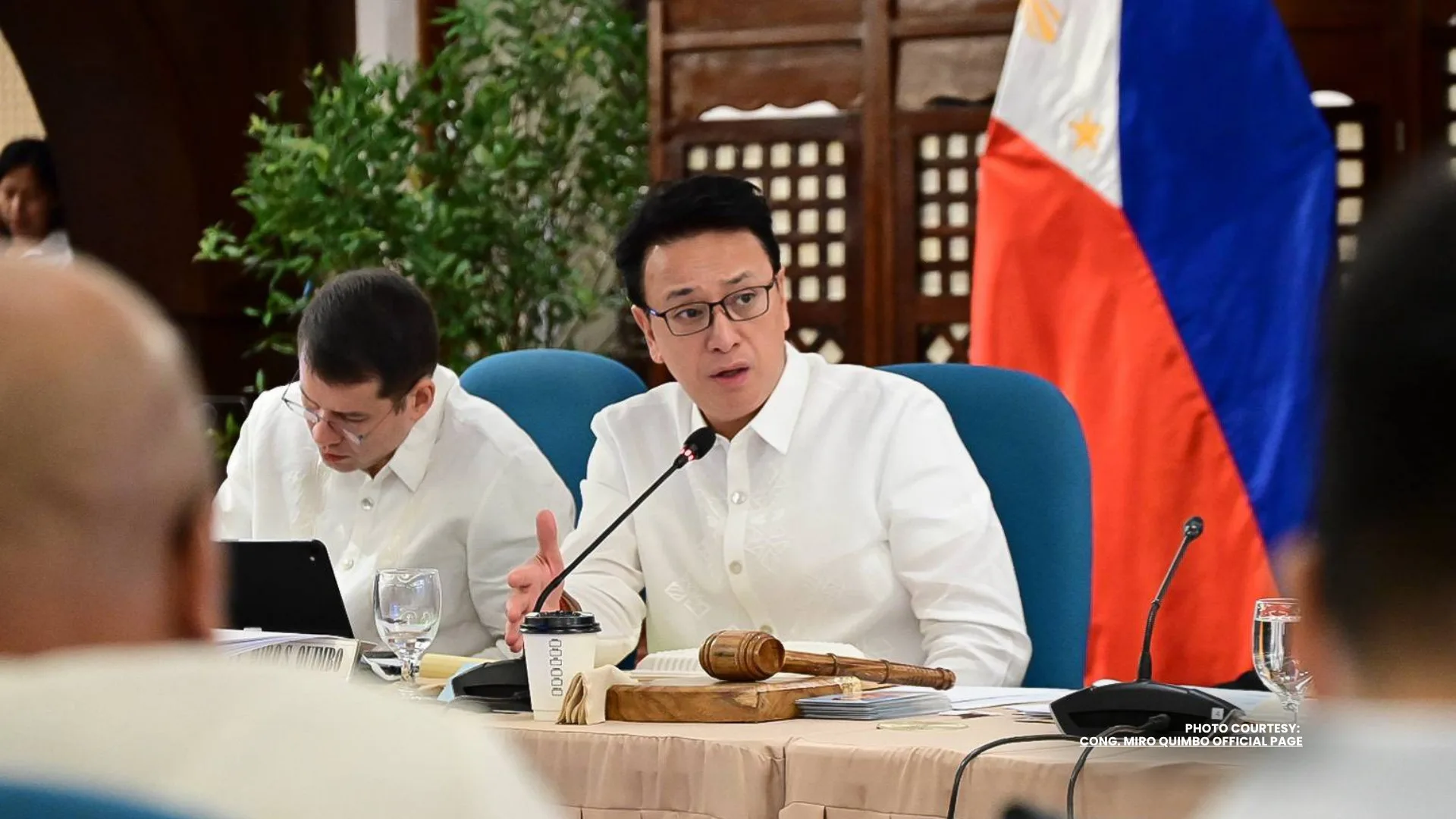
During deliberations on House Bill No. 8834 before the Ad Hoc Committee on Legislative Energy Action and Development, Miro Quimbo, chair of the House Committee on Ways and Means, emphasized the urgency of creating a more institutionalized system for crisis response.
Quimbo said the measure, spearheaded by Speaker Faustino Dy III and Majority Leader Sandro Marcos, is designed to help cushion the effects of the global oil crisis while strengthening the country’s long-term economic safeguards.
He explained that the proposal aims to provide immediate relief to sectors hit hardest by rising costs while building mechanisms that would allow the economy to respond more effectively to future disruptions.
Quimbo described the measure as a dual-track approach that addresses both urgent needs and deeper structural vulnerabilities.
Formally known as the Komprehensibong Alalay sa Livelihood, Inflation, Negosyo, at Goods Assistance Act, the proposed legislation is intended to go beyond temporary subsidy programs. According to Quimbo, it is designed to bridge short-term assistance with broader systemic reform.
The framework includes direct support for vulnerable sectors alongside stabilization measures intended to keep critical industries such as food, transportation, energy, and employment functioning during periods of economic strain.
Its broader objective is to ensure that the government has a transparent and accountable mechanism for mobilizing assistance quickly and efficiently during crises.
Quimbo added that the measure seeks to balance immediate relief with fiscal responsibility by delivering targeted support without encouraging excessive spending or adding unnecessary bureaucracy.
The proposed initiative also includes programs aimed at maintaining price stability for basic commodities and extending assistance to micro, small, and medium enterprises to help sustain operations during economic downturns.