
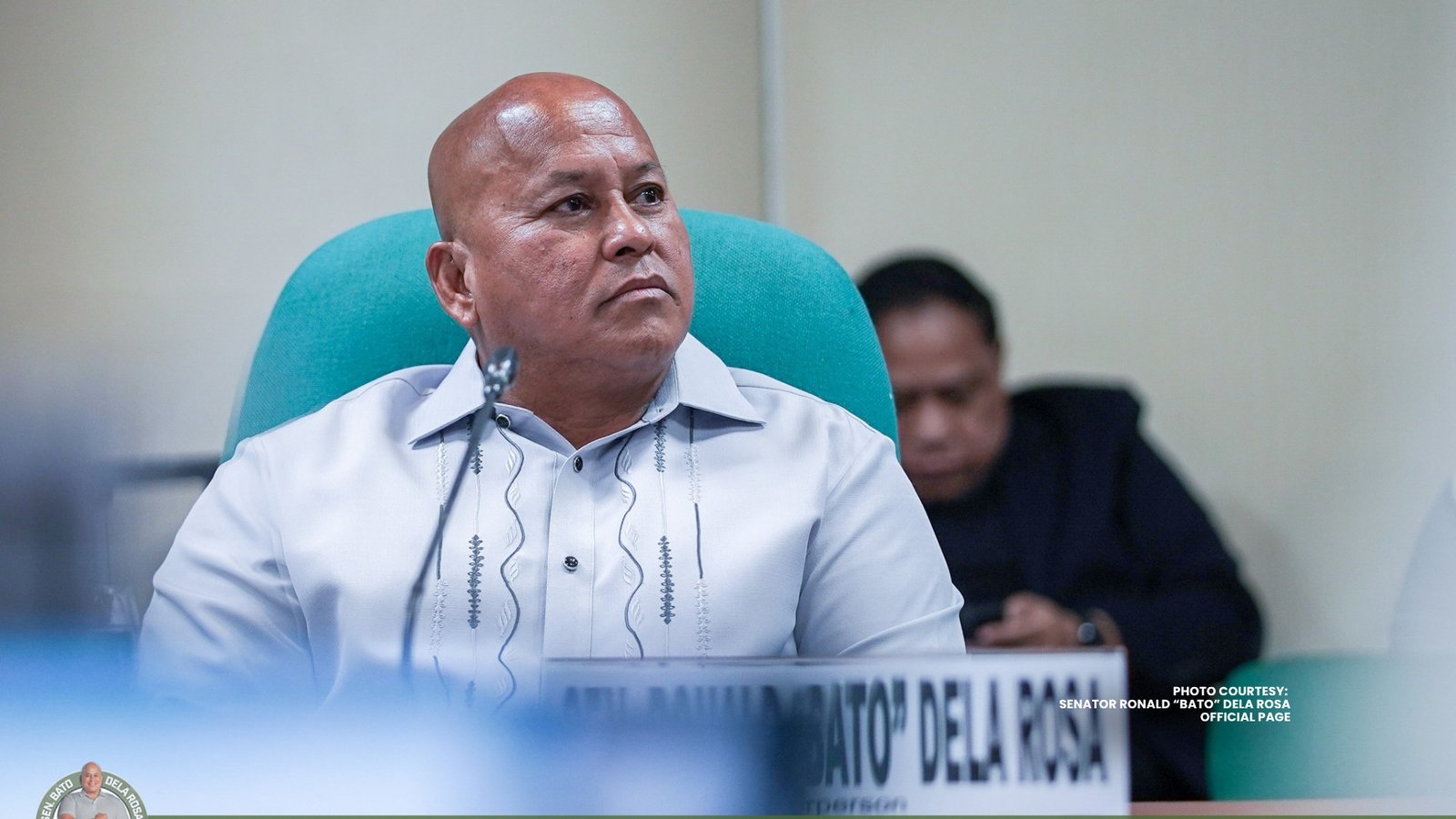
Sen. Ronald dela Rosa is considering waiving his salary and allowances while remaining out of public view, as the Senate Committee on Ethics and Privileges begins deliberating complaints over his prolonged absence.
Committee chair Sen. Joseph Victor “JV” Ejercito said the move is being weighed by dela Rosa’s camp following suggestions from fellow lawmakers, including Senate President Vicente Sotto III, to align with the principle of “no work, no pay.”
“They are just waiting for the final decision,” Ejercito said, noting that discussions are ongoing.
The development comes as the ethics panel formally takes up pending complaints after finalizing its rules and structure. Among the issues raised is dela Rosa’s extended absence from Senate sessions, which has drawn criticism from civil society groups, including Wag Kang KoCrrupt, which filed an ethics complaint.
Dela Rosa has reportedly not attended sessions since November 11. Records show he was absent for 31 of 58 session days from late July last year to mid-March this year.
Ejercito said he has had no direct communication with the senator and does not know how to reach him, following reports that dela Rosa went into hiding after Interior Secretary Jesus Crispin Remulla said the International Criminal Court had issued an arrest warrant linking him as a co-perpetrator in crimes against humanity charges tied to former president Rodrigo Duterte.
The ethics panel has yet to impose sanctions, as changes to Senate rules would be needed to implement a formal “no work, no pay” policy. Ejercito said a voluntary waiver could help ease pressure on both the Senate and the committee.
Meanwhile, the panel has begun processing complaints under a “first in, first out” system. Ejercito said nine complaints were reviewed, with some returned to complainants for lack of form and substance.
The first docketed case has been deemed sufficient and will be forwarded to the respondent for comment.
Ejercito declined to name the senators involved, citing fairness and the need to avoid undue embarrassment if allegations prove baseless.
With its rules now in effect, the committee is expected to proceed with hearings once regular Senate sessions resume, as it works through pending cases involving members of the chamber.