
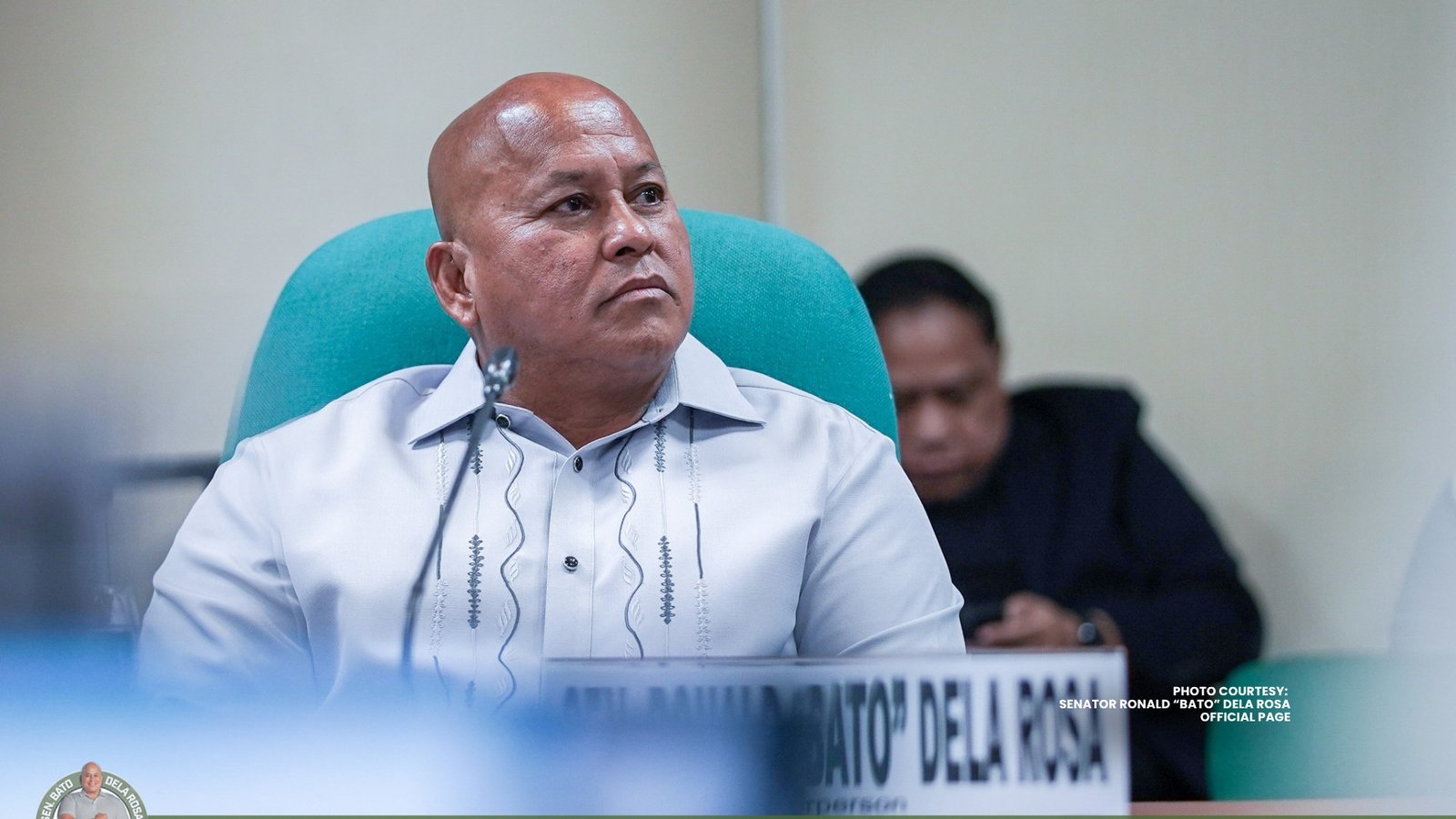
Senate President Vicente Sotto III on Thursday renewed his call for Sen. Ronald “Bato” dela Rosa to voluntarily forgo his salary and allowances as he continues to miss Senate sessions, amid a pending ethics complaint over his prolonged absence.
In a message to reporters, Sotto said such a move would spare the Senate Committee on Ethics and Privileges from having to rule on the matter.
He noted that Dela Rosa has yet to respond to earlier appeals to waive his compensation, despite being absent from plenary sessions since November last year.
“I suggested that to his daughter, his chief of staff, a couple of months ago. No response,” Sotto said.
Sotto had previously raised the same suggestion, while Sen. Joseph Victor “JV” Ejercito also urged Dela Rosa to waive his pay, citing expectations that public officials should uphold a “no work, no pay” standard similar to ordinary workers.
The issue comes as civil society group Wag Kang KuCorrupt filed an ethics complaint before the Senate committee, citing Dela Rosa’s continued absence from legislative duties.
Senate records show Dela Rosa was absent for 31 of 58 session days from July 28 last year, the start of the First Regular Session of the 20th Congress, until March 18, when Congress went on recess. Sessions resume on May 4.
Dela Rosa has not attended Senate sessions since November 11 last year, following reports that the International Criminal Court (ICC) had issued an arrest warrant in connection with crimes against humanity charges tied to the previous administration’s anti-drug campaign, during which he served as a top law enforcement official.
The senator has previously said he is not afraid of the ICC and has challenged critics to take part in any attempt to arrest him.
Ejercito, who chairs the Ethics and Privileges Committee, said the complaint against Dela Rosa is among several filed against lawmakers, including Senators Risa Hontiveros, Francis Escudero, and himself.
He declined to identify other respondents, saying the committee has yet to determine whether the complaints are sufficient in form and substance, and that premature disclosure could expose those involved to undue public criticism.