
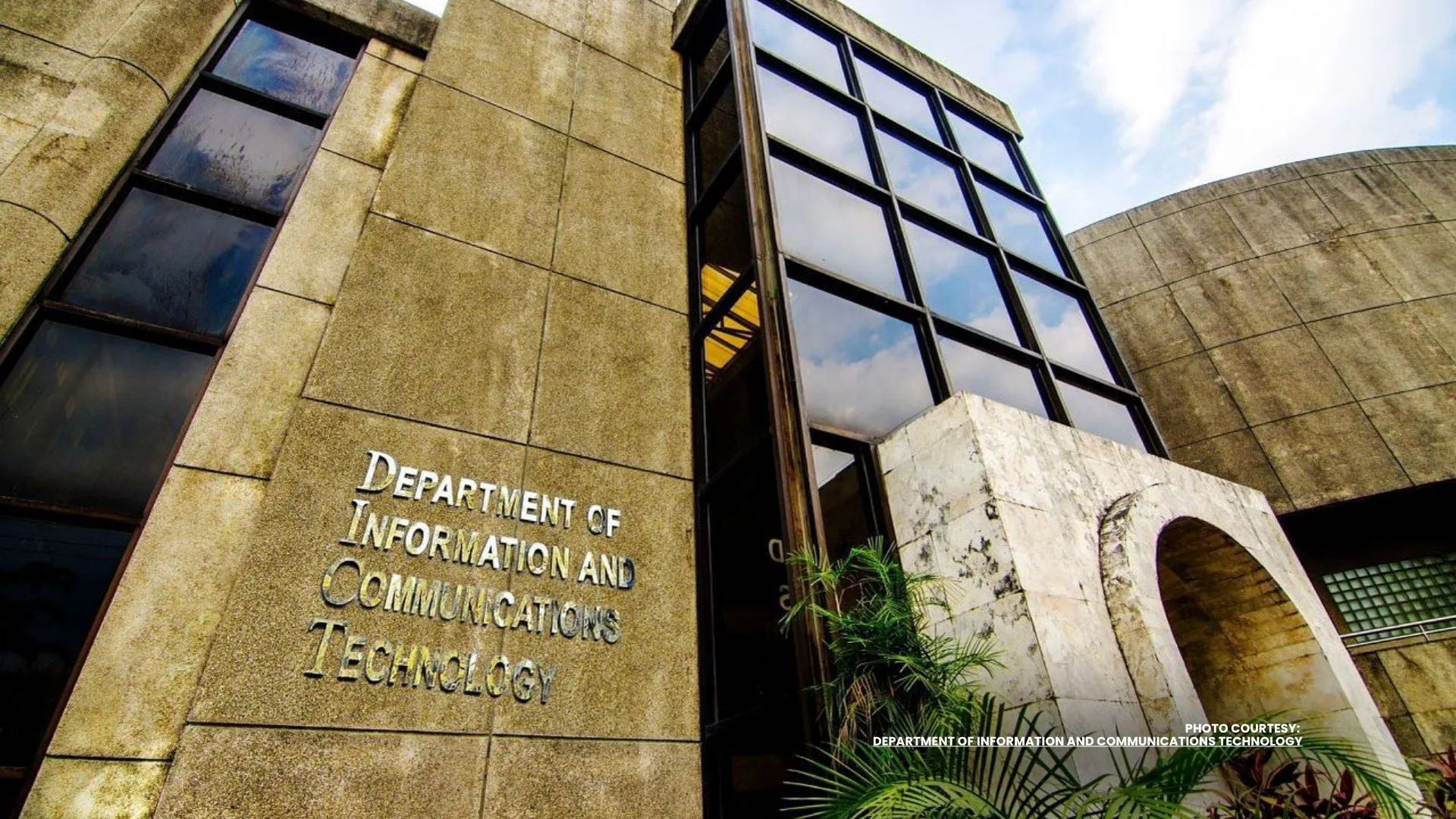
The digital landscape in the Philippines has long been a battleground for state agencies attempting to regulate unchecked social media algorithms. However, recent developments have transformed regulatory frustration into an institutional comedy of errors. At the center of this storm is the Department of Information and Communications Technology (DICT).
Facing intense legislative scrutiny over online scams, deepfakes, and child safety online, Secretary Henry Aguda engineered a calculated public relations maneuver, wrapping his agency’s policy impotency in figs of a manufactured congressional mandate.
The House Plenary Reality: Deferral, Not a Summons for Zuckerberg
The friction peaked during the House of Representatives plenary deliberations on the DICT’s proposed 2027 budget. Lawmakers, visibly frustrated by Meta’s lack of local accountability, inadequate responses to cyber scams, and the proliferation of harmful content, moved to defer the agency’s budget. Led by interpellations questioning why Meta operates in the Philippines with virtually no local executive presence or country manager, the House demanded greater institutional muscle from the ICT department.
Yet, in the immediate wake of this legislative setback, Aguda himself orchestrated a frantic PR salvage operation. The DICT pushed out messaging and press narratives claiming that the House of Representatives had “called on Mark Zuckerberg to appear before lawmakers and face the DICT.”
A careful review of the actual transcripts and proceedings of the House budget plenary session reveals a starkly different picture: no such formal directive or institutional summons targeting Zuckerberg was ever floor-debated or formally resolved.
By personally directing his communications team to twist a routine budgetary deferral into a grand narrative of a joint congressional-executive crusade summoning Silicon Valley royalty, he manufactured a fictional power play. It was an administrative sleight of hand designed to mask his department’s historical failure to compel tech giants into compliance.
The Paper Trail of Weakness: Unanswered Letters and Phantom Pacts
Blaming Meta’s corporate posture, however, only tells half the story. The government must also answer for its own shifting narratives, specifically regarding what Aguda previously claimed about its working relationship with the tech giant.
Back in February, the DICT trumpeted what officials hailed as a “landmark agreement” with Meta to foster a safer digital ecosystem in the Philippines. According to agency announcements at the time, Meta had committed to accelerated detection, reporting and takedowns of child exploitation material, alongside coordinated efforts against financial scams and deepfakes.
Yet subsequent events cast serious doubt on whether any such “landmark agreement” ever actually existed. During the recent budget deliberations, agency leadership was caught publicly lobbying toward the future negotiation of a standard Memorandum of Agreement (MOA) with Meta. This logical contradiction raises damning questions: if a groundbreaking accord was already finalized and executed early in the year, why was the department reduced to negotiating a preliminary agreement months later? What truly happened to the supposedly firm commitments celebrated in February?
This pattern of narrative inflation extends directly to Aguda’s direct correspondence with Meta CEO Mark Zuckerberg. Long before the budget floor debates, Aguda publicly brandished letters sent to Silicon Valley, pleading for expanded local content moderation teams, the restoration of regional oversight previously moved to Singapore and decisive action against deepfakes.
Instead of yielding results, these open letters and high-profile ultimatums amounted to little more than electronic shouting into the void. True to Meta’s strategy in markets lacking firm statutory enforcement, Aguda’s correspondence was met with silence or bureaucratic brush-offs. High-visibility deadlines elapsed without any real compliance from the social media giant.
By relying on theatrical press stunts and phantom agreements rather than pursuing structural, legally binding enforcement under existing Philippine laws, Aguda has laid bare his own institutional weakness.
A Leadership Deficit in the Digital Age
The strategy of spinning fictional narratives about congressional summons exposes a deeper malaise within the DICT under Aguda’s watch, that leadership optics have substituted for actual regulatory competence.
When an agency tasked with safeguarding the nation’s digital infrastructure is reduced to ghost-writing press releases that misrepresent congressional proceedings, public trust erodes. Instead of admitting that tech conglomerates like Meta treat Philippine regulatory requests with indifference, Aguda chose to invent a collaborative script where the House supposedly backed his empty threats.
As cyber threats, online sexual abuse and exploitation of children (OSAEC), and deepfake scams continue to victimize Filipinos, the public does not need theatrical press releases or imaginary summonses.
Manufacturing fiction to cover up regulatory failure is not governance but a breach of public trust that demands immediate institutional accountability.