
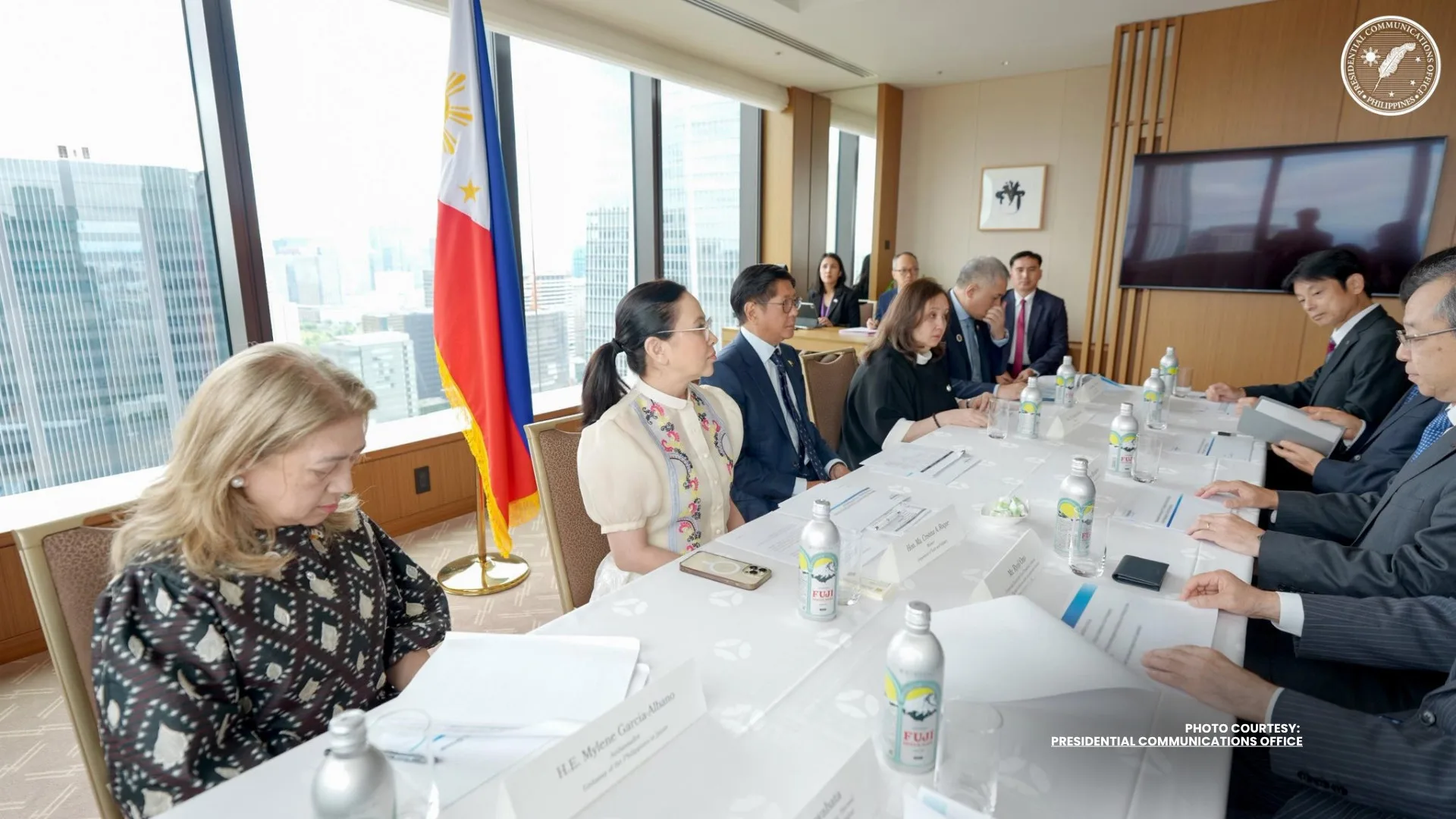
President Ferdinand Marcos Jr. on Thursday secured some P53.6 billion worth of investments in the fields of shipbuilding, advanced electronics manufacturing, semiconductor production, artificial intelligence-driven technologies and green maritime industries at the sidelines of his state visit to Japan.
They said the investments could generate around 10,300 additional direct and indirect jobs across the Philippines.
This developed as the President met with the executives of Furukawa Electric Co. Ltd. on Thursday morning where they discussed the company’s proposed expansion of operations in the country involving advanced heat sink modules and thermal management products supporting global electronics and digital infrastructure applications.

They also plan to increase the production capacity for high-performance heat sinks used in cooling data center processing units, including CPUs and GPUs.
The Presidential Communications Office (PCO) in a social media post the expansion supports the country’s broader goal of positioning the Philippines as a competitive hub for advanced electronics, semiconductor-related manufacturing, and digital infrastructure supply chains.
“The meeting also highlighted opportunities for deeper cooperation in technology transfer, workforce development, supplier development, and advanced manufacturing capabilities between the Philippines and Japan,” it added.
After the event, Marcos met with the executives of the Sumitomo Electric Industries, Ltd. about the company’s plans to expand the manufacturing of flexible printed circuits (FPCs) and Surface Mount Technology (SMT) assembly products at their plants at the Laguna Technopark in Laguna.
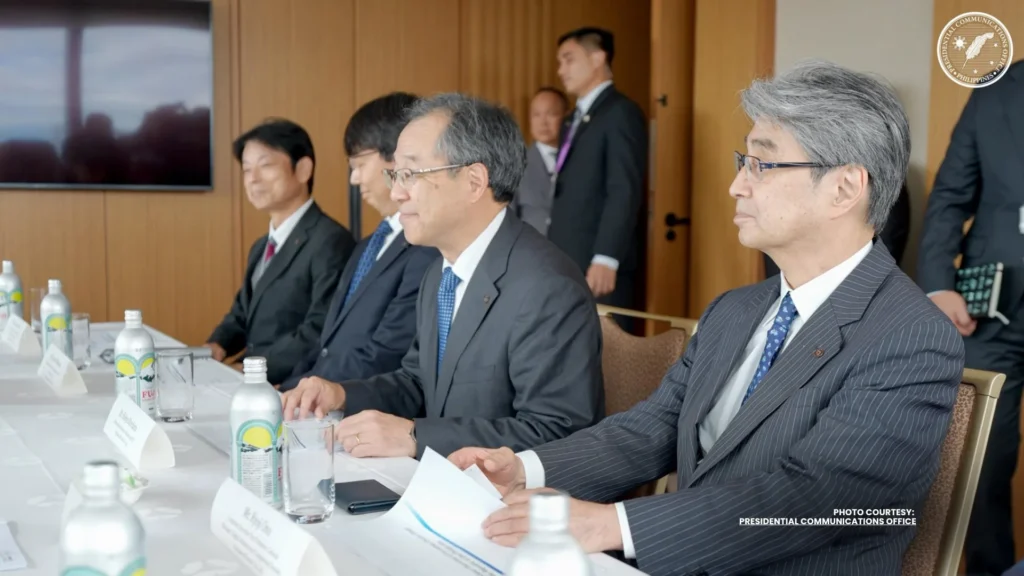
The PCO said the P4.3-billion expansion project includes the construction of a new 4,706-square-meter facility in Cabuyao, Laguna by the company’s Philippine unit, First Sumiden Circuits, Inc. (FSCI), the country’s sole manufacturer of flexible printed circuits.
The expansion is expected to strengthen the Philippines’ role in global electronics and advanced industrial supply chains amid growing demand for electric vehicles, AI-related electronics, and advanced telecommunications equipment.
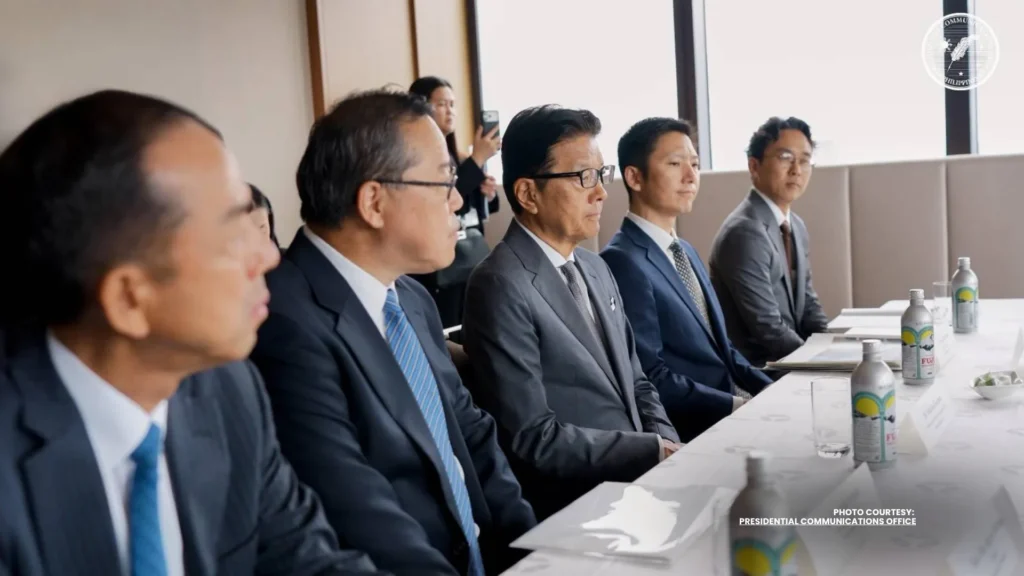
The President also met with the executives of the MinebeaMitsumi Inc. which presented its plans for their ongoing investments in the Philippines covering semiconductor back-end manufacturing, battery-related components for hyperscale data centers, Optical Image Stabilization (OIS) technologies, and advanced precision manufacturing in the Philippines.
PCO said the discussions highlighted the Philippines’ growing role within global semiconductor and advanced electronics supply chains, as well as opportunities to strengthen local capabilities in precision manufacturing and advanced electronics technologies.

It added that the meeting is a reaffirmation of the continued confidence of global investors in Filipino talent and in the country’s expanding role in high-value manufacturing and innovation-driven industries.
Marcos also met with the leaders of the Tsuneishi Group Corporation to discuss the latter’s plan to expand its shipbuilding facility Balamban in Cebu in the Philippines including the further development of environmentally friendly next-generation vessels, green maritime technologies, and advanced maritime manufacturing in the country.
PCO said this expansion strengthens the Philippines’ position in the global green shipbuilding and maritime manufacturing.
It is also projected to make the Philippines the world’s fourth-largest shipbuilding nation, next to China, Japan, and South Korea.
“The President also welcomed Tsuneishi’s continued leadership in environmentally sustainable shipbuilding following the successful delivery in Cebu of the world’s first Methanol Dual-Fuelled KAMSARMAX Bulk Carrier earlier this year,” PCO added.
The four investments are on top of the US$3.4 billion (around P210 billion) investment pledges that Marcos secured during a roundtable meeting with Japanese business leaders on Wednesday.