
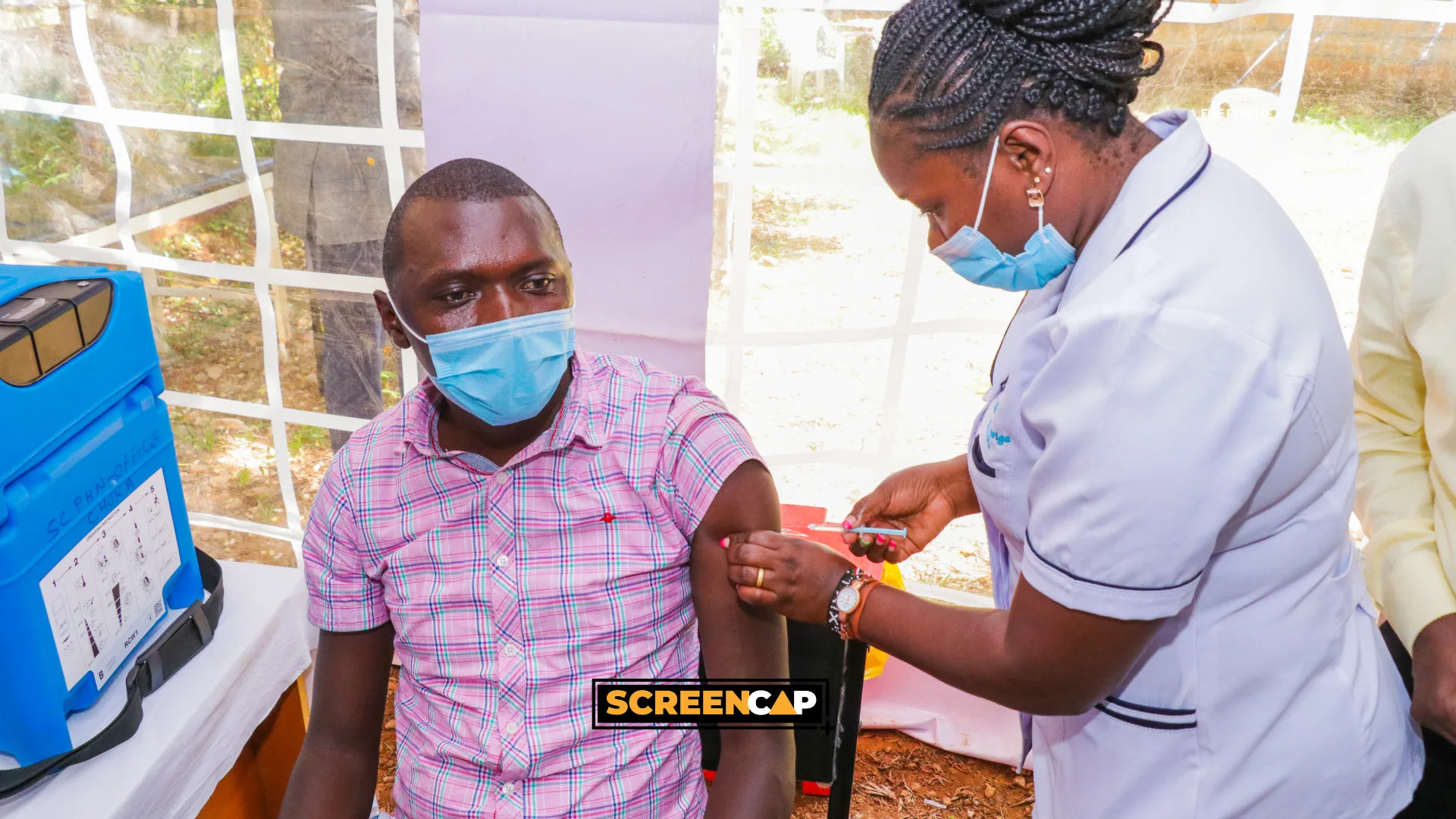
Health authorities around the world are tightening surveillance measures after the World Health Organization (WHO) raised global concern over the latest Ebola outbreak in the Democratic Republic of the Congo (DRC), warning of possible cross-border transmission and heightened international health concerns.
The outbreak, centered in the eastern province of Ituri, has already resulted in around 246 suspected infections and at least 80 deaths, according to the WHO. While the agency declared the outbreak a Public Health Emergency of International Concern (PHEIC), it clarified that the situation has not reached the level of a pandemic emergency. Officials also warned that the actual scale of the outbreak could be significantly larger due to gaps in detection and monitoring.
The virus involved in the latest outbreak is the Bundibugyo strain of Ebola, a variant for which there are currently no approved vaccines or antiviral treatments.
WHO Director-General Tedros Adhanom Ghebreyesus said there remain “significant uncertainties” regarding both the true number of infections and the geographic spread of the disease.
Health experts said the situation is particularly concerning because authorities are closely monitoring possible transmission linked to urban centers including Kinshasa, the Congolese capital, and Goma, a major eastern city currently under the control of M23 rebels. Neighboring Uganda has also reported confirmed cases, including the death of a 59-year-old Congolese national.
The WHO cited armed conflict, population displacement, mining activity, porous borders, and weak healthcare infrastructure as key factors increasing the risk of wider transmission across Central and East Africa.
The outbreak has prompted several countries and health agencies to strengthen surveillance and preparedness measures. Rwanda announced tighter screening protocols along its border with the DRC, while international health authorities continue coordinating regional response efforts.
The situation is also being closely monitored in the Philippines, where health officials have maintained heightened vigilance for emerging infectious diseases following the country’s experience during the COVID-19 pandemic.
Although no Ebola case has been reported in the Philippines, infectious disease experts noted that airport and seaport monitoring systems may need to be reassessed, particularly for travelers arriving from affected African regions or countries with confirmed transmissions.
The Department of Health (DOH) previously implemented Ebola preparedness measures during earlier outbreaks in Africa, including thermal screening, quarantine protocols, hospital isolation procedures, and coordination with the Bureau of Quarantine.
Medical experts noted that the Philippines’ large overseas Filipino population and extensive international travel links make early detection and rapid response critical in preventing imported cases.
Ebola is a severe viral illness first identified in 1976 in what is now the Democratic Republic of the Congo. Scientists believe the disease originated from bats before spreading to humans. Initial symptoms often resemble common viral infections, including fever, muscle pain, fatigue, sore throat, and headaches, but can rapidly progress to vomiting, diarrhea, internal bleeding, and organ failure.
According to the WHO, Ebola’s average fatality rate is around 50 percent, although some outbreaks have recorded significantly higher death rates.
The current outbreak marks Congo’s 17th Ebola outbreak in the last five decades. The country’s deadliest epidemic occurred between 2018 and 2020, when nearly 2,300 people died.
Despite growing international concern, the WHO advised countries outside the affected regions not to impose blanket travel or trade restrictions, saying such measures are often driven more by fear than scientific evidence.
Instead, the agency urged governments to strengthen disease surveillance, improve reporting systems, immediately isolate confirmed patients, and intensify regional coordination to contain the outbreak before it escalates further.