
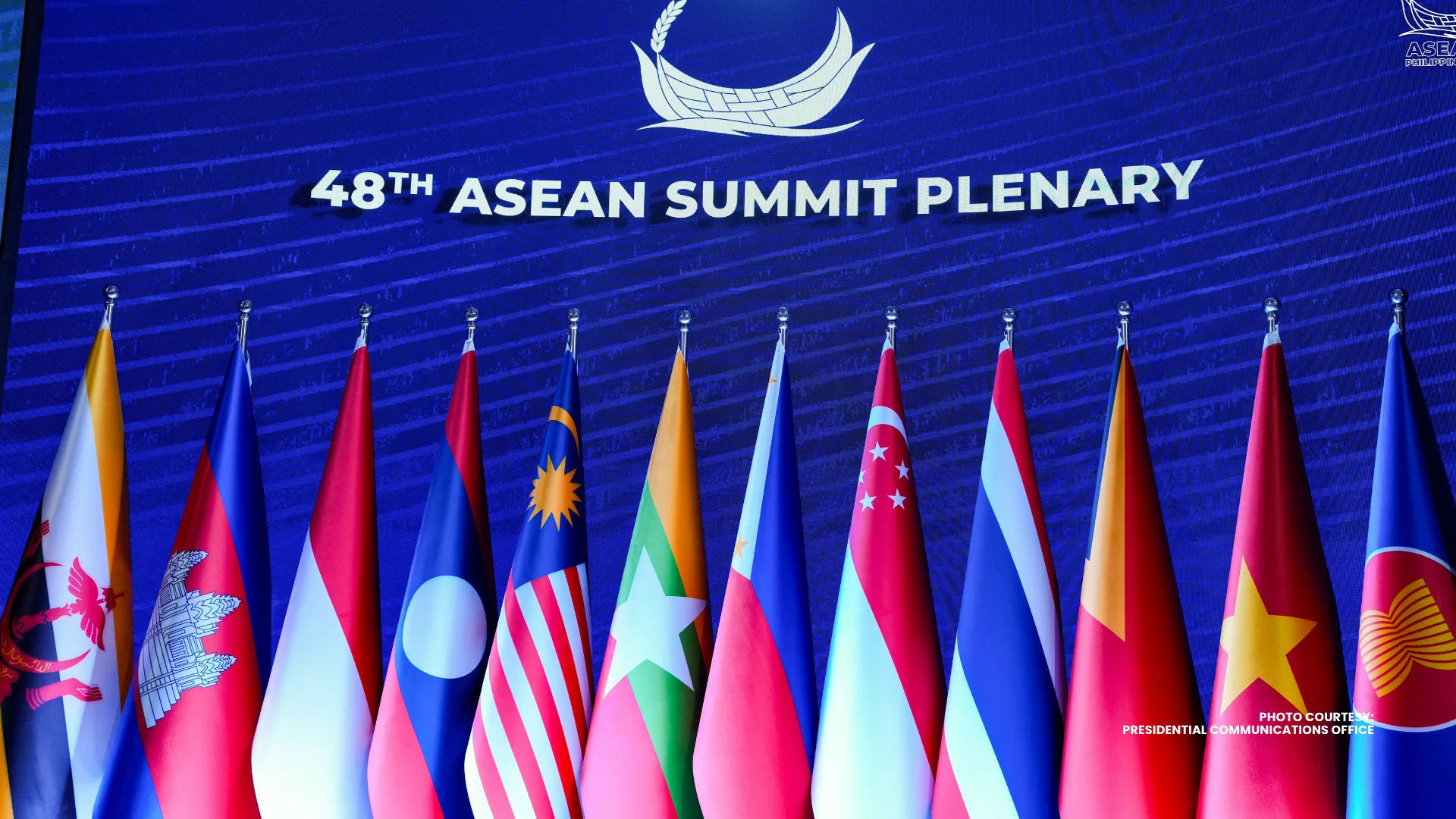
Leaders of the Association of Southeast Asian Nations (ASEAN) reaffirmed their commitment to strengthening maritime cooperation, regional security, and freedom of navigation during the 48th ASEAN Summit in Cebu City amid growing geopolitical tensions and maritime challenges in the region.
In a declaration adopted on May 8, ASEAN member-states stressed the importance of maintaining peace, stability, and the peaceful resolution of disputes in accordance with international law, particularly the 1982 United Nations Convention on the Law of the Sea (UNCLOS).
The leaders underscored that UNCLOS remains the legal framework governing activities in oceans and seas while reaffirming support for freedom of navigation, overflight, and unimpeded lawful commerce in regional waters, including the West Philippine Sea.
ASEAN also reiterated the importance of fully implementing the 2002 Declaration on the Conduct of Parties in the South China Sea and pushing for the early conclusion of an effective and substantive Code of Conduct (COC) in the disputed waters.
The declaration highlighted the growing need for stronger regional cooperation in addressing maritime security threats, illegal fishing, marine pollution, transnational crimes, and the protection of critical underwater infrastructure such as submarine cables and pipelines.
Leaders are likewise committed to enhancing collaboration on maritime law enforcement, search and rescue operations, maritime domain awareness, marine scientific research, and information-sharing mechanisms.
ASEAN members also raised concerns over environmental threats affecting regional waters, including marine debris, plastic pollution, biodiversity loss, and rising sea levels that continue to threaten coastal communities and territorial integrity.
As part of the initiative, ASEAN leaders backed the planned establishment of an ASEAN Maritime Center in the Philippines to strengthen regional coordination and cooperation on maritime issues.
The declaration also called for deeper cooperation with external partners while maintaining ASEAN centrality in regional maritime initiatives and Indo-Pacific engagement.
The maritime declaration was among several agreements adopted during the summit under the Philippines’ chairmanship theme, “Navigating Our Future, Together.”