
United States President Donald Trump has announced that a deal with Iran will be signed on Friday, following weeks of statements signaling progress toward a ceasefire after more than 100 days of conflict involving Iran and Israel.
Tehran has since confirmed that an end to hostilities is expected to be declared early Monday (GMT), with Iran’s deputy foreign minister Kazem Gharibabadi stating that an “immediate and permanent end to the war and military operations” will be announced across multiple fronts, including Lebanon.
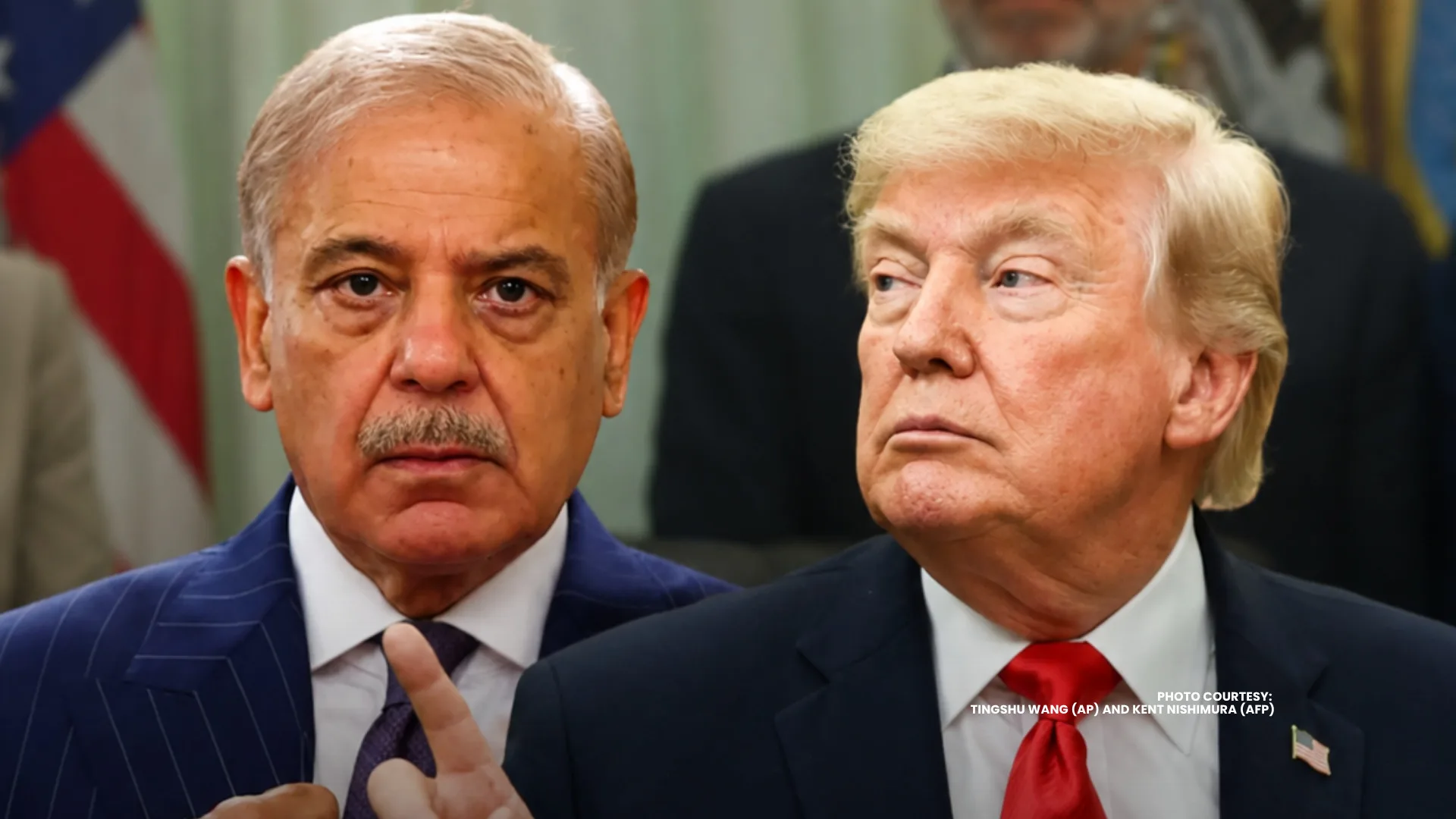
Pakistani Prime Minister Shehbaz Sharif, whose government has been involved in facilitating indirect talks between Washington and Tehran, first disclosed the development on social media platform X (formerly Twitter), saying that a “permanent termination of military operations on all fronts” had been agreed upon.
Trump later confirmed the agreement, saying the deal with the Islamic Republic of Iran was “now complete,” and referring to provisions that reportedly include the reopening of the Strait of Hormuz and the removal of US naval restrictions in the region.
US Vice President JD Vance described the development as the start of a “new era” in the Middle East, crediting Trump’s diplomatic engagement with regional partners. He also reiterated Washington’s position that Iran must not acquire nuclear weapons.
Iranian officials, meanwhile, said discussions on a final settlement would continue over a 60-day period, subject to verification of US commitments. These include the lifting of sanctions, the unfreezing of Iranian assets, and the withdrawal of military presence near Iranian territory.
Reports from Iranian state media said the draft framework includes a full cessation of hostilities, easing of naval restrictions, and the gradual release of billions of dollars in frozen Iranian funds, alongside negotiations on nuclear-related issues within a two-month timeline.
Pakistan and Qatar have been credited as key mediators in the talks, with both countries welcoming the reported breakthrough and describing it as a step toward regional stabilization. A formal signing ceremony is reportedly scheduled for June 19 in Switzerland, with technical negotiations expected to continue ahead of the event.