

Marriage remains a major milestone in Filipino life, but new population and civil registration data show that more Filipinos are waiting longer before tying the knot, while a growing number are building families outside formal marriage altogether.
The Commission on Population and Development (CPD) said the trend reflects a broader shift in how Filipinos approach family formation, as economic pressures, career plans, education, housing costs, and changing social attitudes reshape decisions once governed largely by tradition.
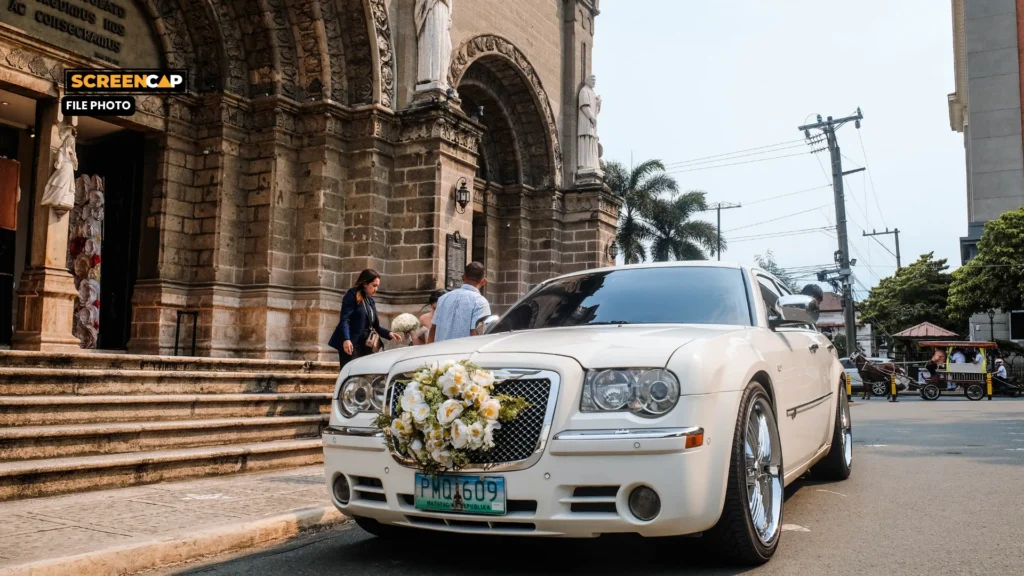
Data from the Philippine Statistics Authority (PSA) show that the median age at marriage in 2024 stood at 30 for men and 28 for women. Nearly a decade earlier, in 2015, the median age was 28 for grooms and 26 for brides, meaning both men and women are now typically marrying two years later than before.
“The increase in the median age at marriage suggests that many Filipinos are entering marriage later in life, reflecting changing educational, employment and economic circumstances,” the CPD said.
But the shift is not only about age. Fewer couples are also registering marriages.
PSA figures showed that 371,825 marriages were registered nationwide in 2024, down 10.2 percent from 414,213 in 2023. The country’s crude marriage rate also fell to 3.3 marriages per 1,000 population from 3.7 the previous year, with an average of 1,016 marriages solemnized daily in 2024.
Over a longer period, the decline is even clearer. CPD said registered marriages fell by 13.5 percent over the past decade, from 429,723 in 2014 to 371,825 in 2024.

For the CPD, the numbers point to an evolving Filipino family structure rather than a simple rejection of marriage. Its executive director, Lisa Grace Bersales, said the trend reflects “changing economic realities, shifting aspirations and emerging pathways to family formation.”
One of the clearest signs of that shift is the rise of cohabitation.
The CPD’s National Capital Region office, citing the 2022 National Demographic and Health Survey, said the share of women aged 15 to 49 who were living with a partner rose from 5 percent in 1993 to 19 percent in 2022. A separate 2021 Young Adult Fertility and Sexuality Study also found that about 12 percent of Filipino youth aged 15 to 24 were in live-in or cohabiting arrangements.
CPD said many couples now see cohabitation as a practical arrangement while waiting for the “proper time” to marry. Among the reasons cited were unintended pregnancy, the cost of formal marriage, shared living expenses, family circumstances, religious differences, and the belief that living together is a natural next step in a committed relationship.
The trend is also visible in birth data. CPD said 2023 civil registry figures showed 842,728 children were born outside marriage, compared with 605,794 births from couples in formal unions.
At the same time, fertility is falling. PSA’s 2025 National Demographic and Health Survey found that the country’s total fertility rate dropped to 1.7 children per woman, continuing a decline from 4.1 children per woman in 1993. The fertility rate was even lower in urban areas at 1.5 children per woman.
The same survey found that 57.3 percent of currently married women aged 15 to 49 said they wanted no more children, while modern contraceptive use among currently married women rose to 44.5 percent in 2025 from 41.8 percent in 2022.
These figures suggest that many Filipinos are not only delaying marriage, but also becoming more deliberate about when, or whether, to have children.
Still, formal marriage remains deeply embedded in Filipino culture. PSA data showed that the largest share of registered marriages in 2024 involved men and women aged 25 to 29, accounting for 81,121 marriages or 21.8 percent of the national total. Civil ceremonies remained the most common form of marriage at 41.8 percent, followed by Roman Catholic weddings at 31.7 percent and other religious rites at 24.1 percent.
February, June, and December also remained the most popular wedding months in 2024, reflecting the continued influence of Valentine’s Day, the “June bride” tradition, and year-end family gatherings.
The emerging picture is not that marriage has lost meaning for Filipinos. Rather, it is becoming more conditional on financial readiness, emotional maturity, career stability, and the ability to afford the life that couples expect to build after the wedding.
For policymakers, CPD said the changing landscape should prompt the government to adapt. The agency said Filipinos who aspire to marry and raise families should not be held back by financial hardship or unnecessary barriers.
The numbers point to a country where marriage is still valued, but increasingly postponed, recalculated, or replaced by other forms of partnership.
For many Filipinos, the question is no longer simply when to say “I do.” It is whether they can afford what comes after.