
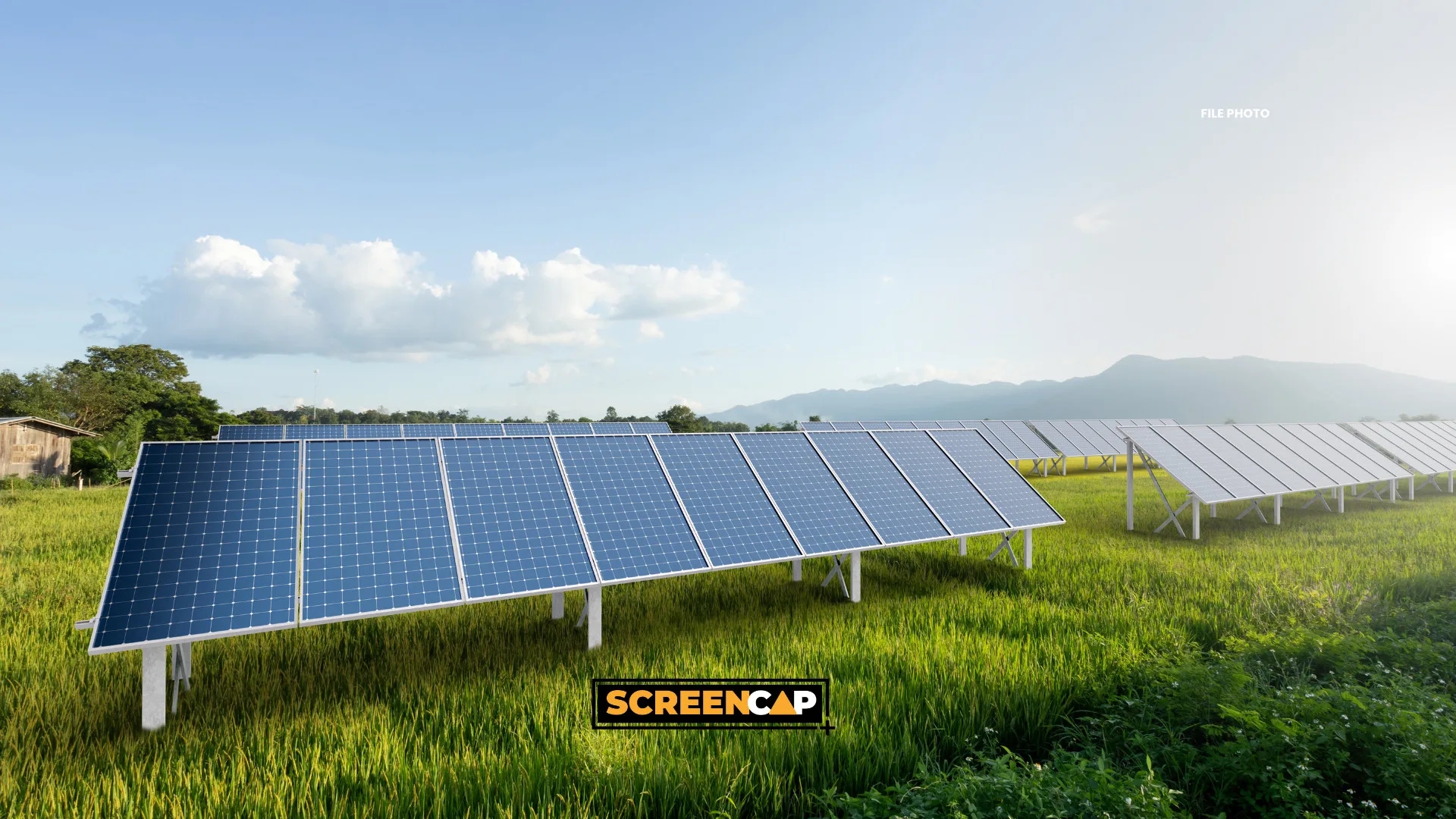
As the dry spell intensifies across key agricultural corridors, national government agencies have accelerated the deployment of subterranean water extraction systems and solar-powered irrigation units to protect farm yields.
The National Irrigation Administration (NIA) confirmed that mobile solar-powered pumps and deep-well tapping operations are being positioned in high-vulnerability, water-stressed regions. The move forms part of a broader emergency initiative designed to buffer agricultural communities from plunging surface water levels in major reservoirs.
Beyond immediate irrigation support, lawmakers and local officials have underscored the importance of transitioning to renewable energy for long-term climate resilience. Addressing the environmental and operational advantages of off-grid irrigation, Ako Bicol Party-list Rep. Elizaldy Co advocated for expanding solar infrastructure to secure farm production.
”We can harness the power of renewable energy to ensure efficient water usage and enhance crop productivity,” Co said. ”We can empower our farmers with sustainable and efficient methods to overcome the challenges posed by El Niño and maximize their agricultural output.”
Agriculture authorities note that solar-driven deep-well extraction reduces operational costs for farmers who otherwise rely heavily on diesel fuel for water pumps. Mobile pumps will be dynamically reassigned to drought-affected provinces based on localized rainfall deficits and soil moisture monitoring.
With climate forecasts warning of prolonged dry conditions, government task forces continue to coordinate with regional irrigation offices to ensure alternative water sources remain operational throughout the dry season.