
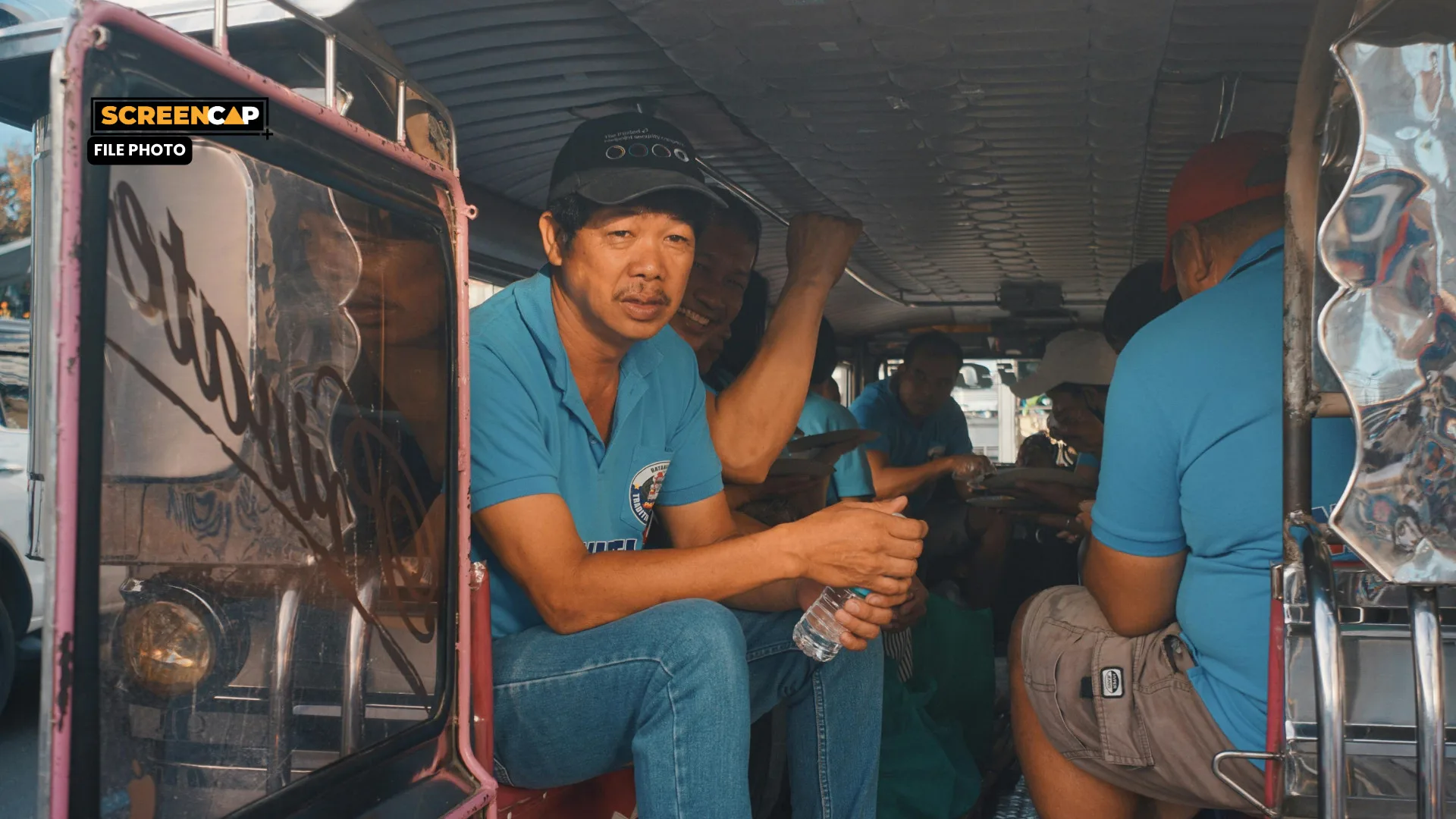
Malacañang on Monday defended the government-approved P! minimum fare increase for public utility jeepneys, emphasizing that authorities worked to balance the economic burden on commuters with the operational needs of transport workers.
Palace Press Officer Claire Castro stated during a press briefing that existing government relief measures, including fuel discounts and direct cash subsidies for public utility vehicle (PUV) drivers and operators, remain active to help mitigate the effects of surging global oil prices.
“Naaprubahan naman po ang pagtaas ng pasahe at alam po natin na maraming mabibigatan sa pagtaas na ito ng pamasahe, pero dapat nga din lang balansehin para sa kapakanan ng mga sa transport sektor at sa ating mga commuters. Hindi puwedeng ang isang grupo lang ang panalo,” Castro said.
Castro assured the public that the government thoroughly evaluated the fare adjustment to avoid placing an excessive financial strain on the commuting public.
Addressing criticism from transport groups, Castro noted that while the administration understands the sector’s operational struggles, external factors such as geopolitical instability in the Middle East directly drive international oil supply and price fluctuations.
Under the revised fare matrix, the baseline fare for traditional jeepneys moved from P13 to P14, while modern jeepney fares increased from P15 to P17. Baseline rates for city buses, UV Express units, taxis, transport network vehicle services (TNVS), and point-to-point buses remain unchanged.
Castro reminded transport operators that the sector received prioritized government intervention when Middle East supply concerns first emerged.
In addition to direct fuel and cash assistance, ongoing relief programs include discounted toll rates, a P1 roll-on/roll-off (RoRo) fee structure, statutory fare discounts for students, senior citizens, and persons with disabilities (PWDs), and subsidized fares on light rail transit lines.
Castro added that government agencies continue to evaluate additional interventions to alleviate transport and fuel costs for the public.