
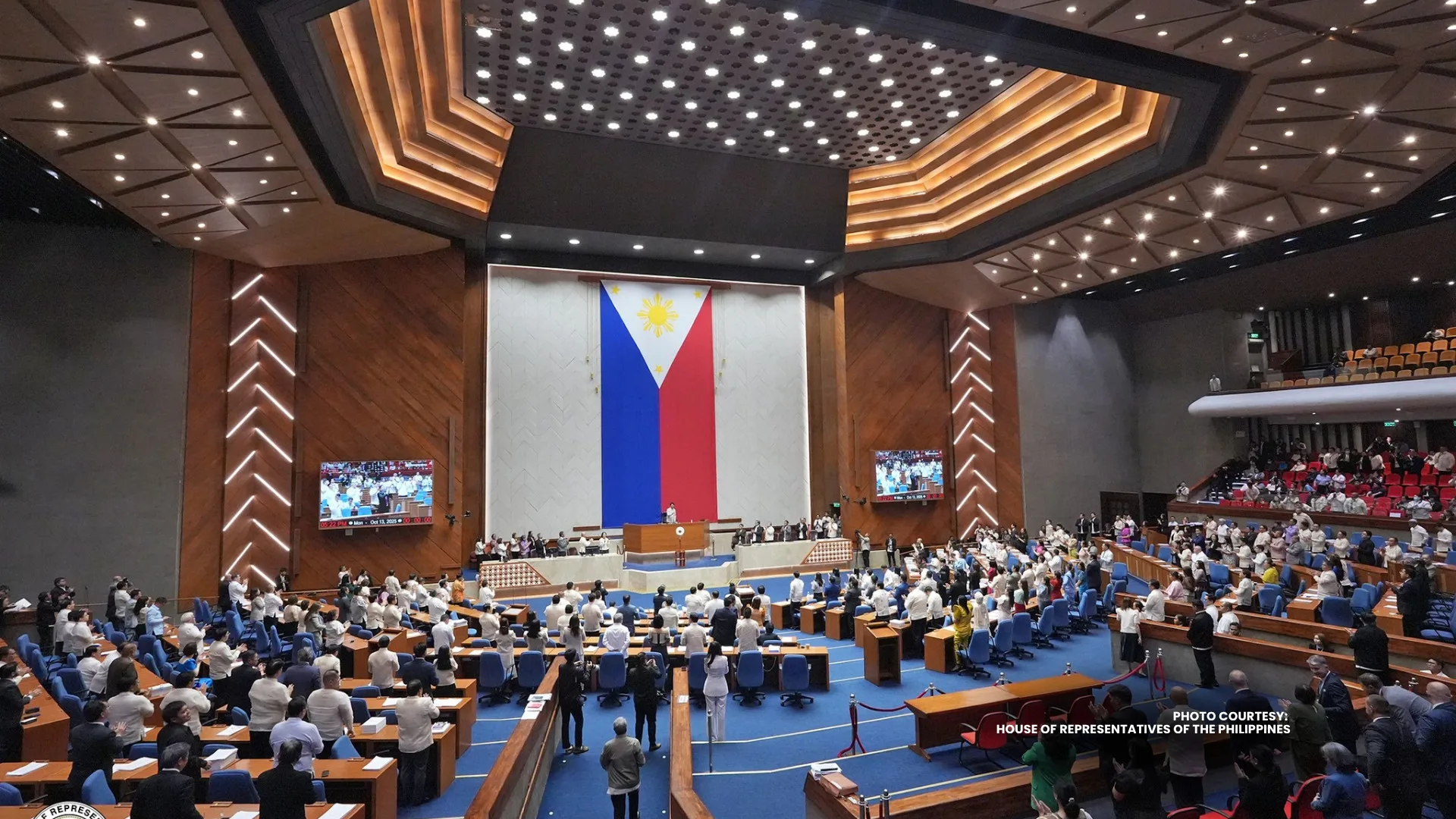
The National Task Force to End Local Communist Armed Conflict (NTF-ELCAC) cautioned against turning a planned congressional inquiry into “political theater” as lawmakers push to investigate the deadly clash in Negros Occidental that left 19 suspected rebels dead.
NTF-ELCAC executive director Ernesto Torres Jr. said the task force stands by government troops involved in the April 19 encounter in Toboso town, amid calls for a formal probe in Congress.
The proposed inquiry stems from House Resolution No. 968 filed by Negros Occidental Rep. Javi Benitez, who cited the need for an impartial investigation to reconcile conflicting accounts and establish an accurate record of the incident. He said the findings could guide legislation to prevent similar violence.
Authorities, including the military and the task force, have maintained that those killed were members of the New People’s Army (NPA). Among the fatalities, they stated, were two students from the University of the Philippines, two minors, and a community journalist.
Torres furthered that if the goal is to prevent future violence, the inquiry should go beyond the encounter itself and examine conditions that allow insurgent groups to operate, recruit members—including minors—and sustain their activities.
Addressing these issues requires more than public hearings, he said, pointing to the need for sustained governance, development programs, and stronger community engagement under a whole-of-nation approach.
He warned against using the inquiry as a platform for “narrative manipulation,” stressing that the loss of life in Toboso should not be reduced to political messaging.
“The Filipino people deserve a clear and honest accounting that is rooted in facts, respects institutions, and upholds the rule of law,” Torres said.
Despite the warning, the task force said it remains open to any investigation conducted in accordance with the law and grounded in evidence.
Torres added that legislative inquiries, when done in good faith, are an essential part of democratic governance.
“In the end, what matters is whether the process leads to better protection for communities, stronger accountability, and a clearer path toward lasting peace,” he ended.