
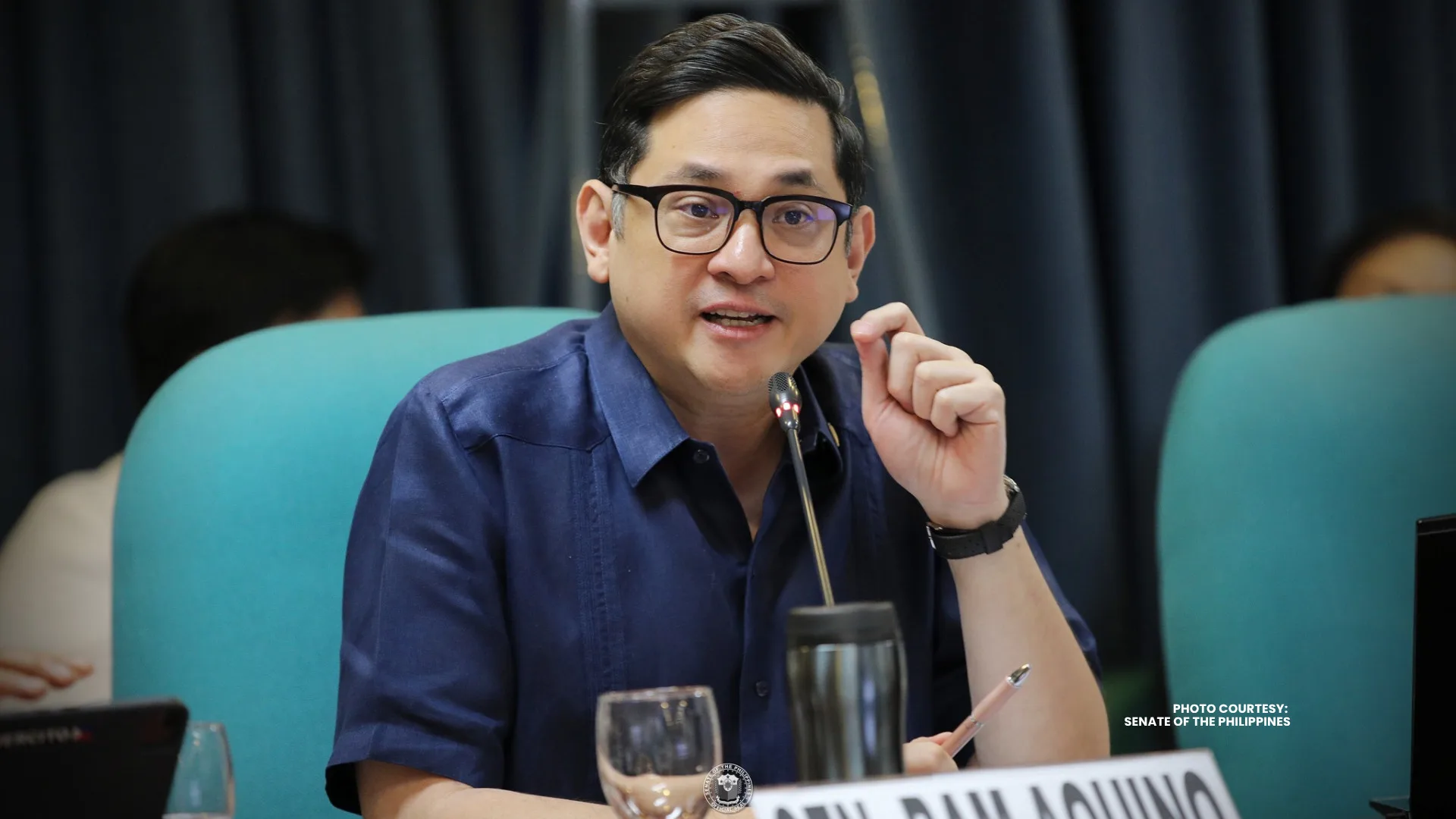
Sen. Paolo Benigno “Bam” Aquino has called for a Senate investigation into the country’s electricity subsidy system, raising concerns that existing lifeline rate mechanisms may be increasing costs for non-beneficiary consumers.
In Senate Resolution No. 375, Aquino urged the Committee on Energy to review the design, funding structure, and implementation of the lifeline rate subsidy and other mandated electricity discounts to ensure they are efficient, transparent, and sustainable.
He emphasized that while these programs serve important social protection goals, their current financing—largely dependent on cross-subsidies—may be placing additional financial pressure on households that do not receive the benefits.
Under the current system, subsidies for low-income consumers are partly recovered through adjustments reflected in the bills of other users. Aquino noted that while the lifeline rate does not directly raise base electricity prices, it is effectively passed on through separate charges.
He also cited other mandated discounts, including the 5-percent electricity discount for senior citizens under Republic Act No. 9994, which applies to households consuming up to 100 kilowatt-hours per month. These incentives, he said, may similarly result in indirect cost-sharing.
“These subsidies serve legitimate and necessary social objectives, but concerns have been raised that the current reliance on cross-subsidy mechanisms results in a redistribution of costs that may place a disproportionate burden on non-beneficiary consumers,” Aquino said in his resolution.
He added that low- and middle-income households are among the most affected, particularly amid rising inflation and fuel costs.
Aquino said one option worth exploring is funding certain electricity subsidies through the national budget, either partially or fully, to improve transparency and prevent unintended cost burdens on regular consumers.
“The objective of this policy review is not to remove or diminish the lifeline rate subsidy, but to ensure that it remains well-targeted, fiscally sustainable, and equitably financed,” he said.
Preliminary estimates cited in the resolution suggest subsidy-related charges may add P20 to P100 per month to the electricity bills of non-beneficiary households, depending on usage.
Aquino said the measure was prompted by growing public concern over the fairness of the current system, especially as many consumers face rising energy costs.
He stressed that social protection policies must be carefully calibrated to avoid unintended impacts on the broader population.
The lifeline rate subsidy is mandated under Section 73 of Republic Act No. 9136, or the Electric Power Industry Reform Act (EPIRA), which provides discounted rates for marginalized end-users. This was expanded under Republic Act No. 11552, covering more households, including Pantawid Pamilyang Pilipino Program (4Ps) beneficiaries.
Under Energy Regulatory Commission (ERC) guidelines, households consuming 0 to 50 kilowatt-hours per month may receive up to a 100-percent discount. Senior citizens are also entitled to a 5-percent discount on consumption of up to 100 kilowatt-hours per month under the Expanded Senior Citizens Act of 2010.
Aquino said the review should ensure these benefits remain intact while improving the fairness and long-term sustainability of how they are funded.