
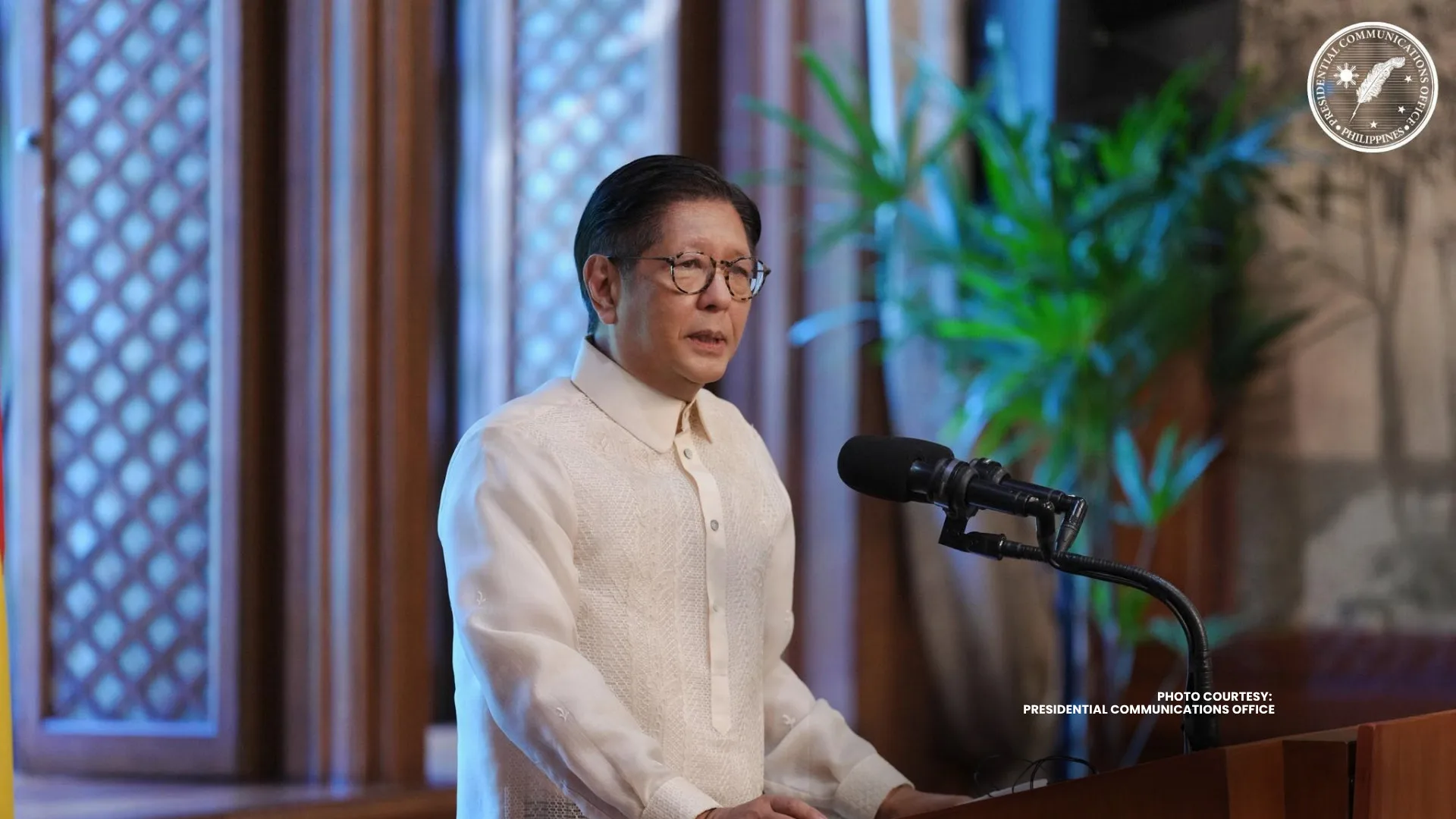
President Ferdinand Marcos Jr. and German President Frank-Walter Steinmeier have called for the full implementation of the reported ceasefire agreement between the United States and Iran, stressing that it must translate into an actual end to hostilities and the reopening of the Strait of Hormuz.
Speaking after their bilateral meeting in Malacañang on Tuesday, both leaders welcomed the development as a potential step toward easing global tensions, while cautioning that such agreements must be backed by concrete action on the ground.
Steinmeier said the priority is not merely the signing of a deal but the effective cessation of conflict and the restoration of maritime access through the strategic waterway.
“We both therefore hope that we will see an actual agreement, not only a signing of a document, but that we will see an ending of the fighting and an end to the blockade of the Strait of Hormuz,” he said.
He noted that disruptions in the region have had far-reaching consequences, affecting food and fertilizer prices and contributing to broader global economic strain.
Marcos echoed this position, saying the Philippines joins other nations in hoping that the agreement will lead to a genuine and lasting cessation of hostilities, as well as the resumption of free navigation in the Strait of Hormuz.
He described the situation as one that affects economies worldwide, including both the Philippines and Germany, particularly through volatility in global oil supply and prices.
“The effects of the Middle East conflict are reflected in every country around the world,” Marcos said. “This kind of instability makes life difficult for our own people.”
The President said the country remains “cautiously optimistic,” noting that previous announcements of peace have not always materialized into sustained outcomes.
“We have unfortunately heard these proclamations before, and they have not come true,” Marcos said, adding that while there is hope, there is also recognition that recovery from global instability will take time.
He stressed that sustained peace in the region would help stabilize energy markets and ease pressure on households and businesses affected by rising fuel costs.
Both leaders underscored that freedom of navigation through the Strait of Hormuz remains critical to global trade and energy security, with its continued disruption contributing to uncertainty across multiple economies.
The two presidents said they will continue to monitor developments closely, while expressing hope that diplomatic efforts will lead to lasting stability in the Middle East.