
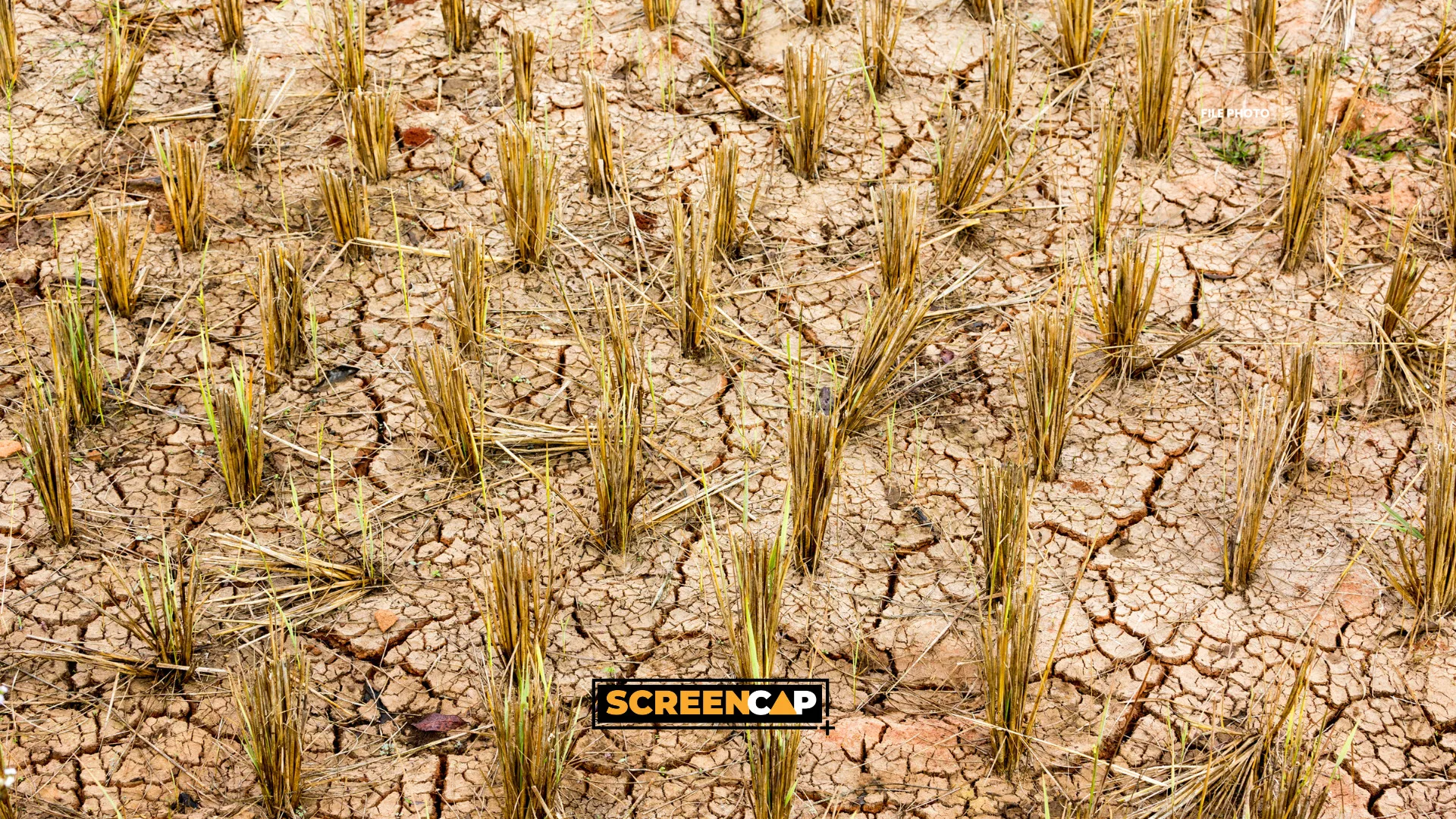
The looming Super El Niño could further weaken the country’s food supply and deepen livelihood losses among farmers and fisherfolk as drought and dry spell conditions continue to spread across several provinces.
Drought has already affected 26 provinces, while 25 others are experiencing dry spell conditions. Several local government units have also declared states of calamity due to water shortages and damage to agriculture.
Gabriela Women’s Party-list Rep. Sarah Elago warned that extreme weather could worsen the long-standing problems confronting the agriculture sector, including high production costs, inadequate government support, weak irrigation systems, and the country’s continued reliance on food imports.
“Ang kinakaharap natin ay kombinasyon ng super El Niño at super krisis dahil sa matagal nang kakulangan ng suporta at kapabayaan sa lokal na agrikultura. Habang nahaharap ang mga magsasaka at mangingisda sa malalang krisis sa klima at tumataas ang gastos sa produksyon, ang sagot ng administrasyon ay muling umasa sa importasyon,” Elago said.
She said many farmers remain dependent on rainfall, making them highly vulnerable to prolonged dry conditions. Only around 2 million hectares of farmland are covered by irrigation despite the country’s millions of hectares of agricultural land.
Elago also criticized the government’s continued dependence on imports, citing the recent agreement to import 1.5 million metric tons of rice from Vietnam worth around P41 billion. She said the amount is more than four times the annual budget of the National Food Authority for local palay procurement.
“Habang nahaharap ang mga magsasaka sa tagtuyot, ang pangunahing tugon ng gobyerno ay dagdagan ang pag-angkat ng pagkain. Hindi nito tinutugunan ang ugat ng problema at lalo lamang nitong pinahihina ang lokal na produksyon,” she said.
To help cushion the impact of drought and strengthen domestic food production, Elago called for urgent support for farmers and fisherfolk, including direct subsidies, irrigation rehabilitation, and production assistance.
She cited House Bill No. 7737, which seeks to provide a P50,000 production subsidy for rice farmers every cropping season, and House Bill No. 9712, which proposes a P15,000 quarterly production subsidy for fisherfolk. Under the fisherfolk subsidy bill, the assistance would be increased to monthly aid during calamities and national emergencies.
“Ang kailangan ay agarang suporta sa lokal na produksyon, rehabilitasyon ng irigasyon, at direktang ayuda sa mga magsasaka at mangingisda. Kailangan nating palakasin ang lokal na produksyon ng pagkain, hindi ang pagdepende sa importasyon,” Elago said.
She said stronger state support is needed to stabilize food supply, protect rural livelihoods, and reduce the country’s dependence on imports as climate threats continue to disrupt agriculture.