
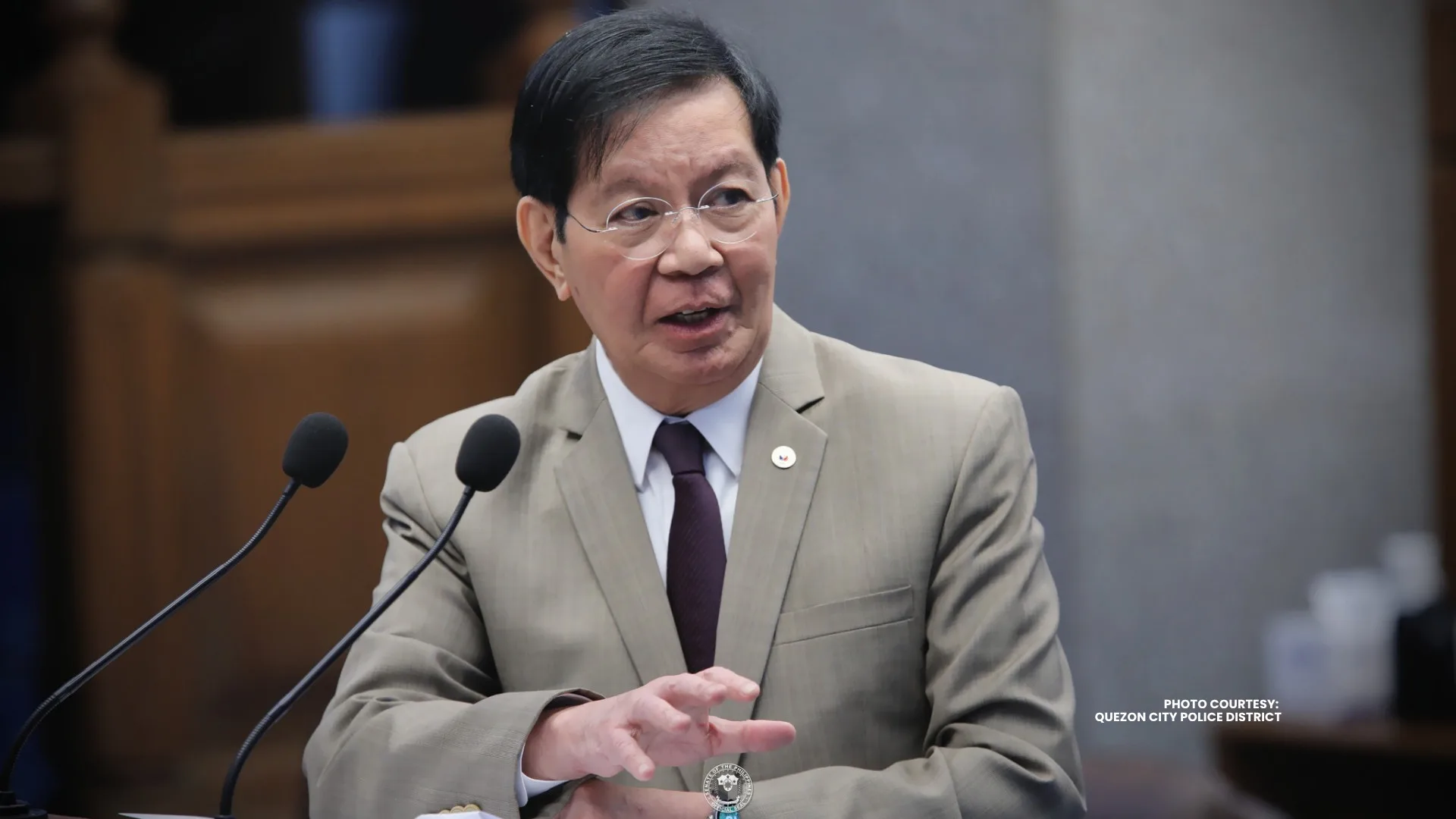
The Senate could move swiftly to convene as an impeachment court once the Articles of Impeachment are transmitted, but the actual trial of Vice President Sara Duterte may not begin until June, Senate President Pro Tempore Panfilo Lacson said.
Lacson explained that procedural requirements could delay the start of the trial even if the chamber immediately convenes. These include issuing summons to the respondent, allowing time for a formal reply, and holding a preliminary conference to streamline proceedings.
“Even if we act immediately, you’re looking at around three weeks before the trial can actually begin,” Lacson said in a radio interview, stressing the need to observe due process.
While Senate President Vicente Sotto III has expressed readiness to convene the impeachment court as soon as possible, Lacson underscored the importance of a structured pre-trial phase to ensure an orderly process.
He cited lessons from the impeachment trial of former Chief Justice Renato Corona, where the absence of an early pre-trial process led to unexpected developments, including the presentation of “surprise” witnesses.
A preliminary conference, he said, would allow both prosecution and defense to agree on key issues, identify evidence, and set clear parameters for the trial.
Lacson also addressed the possibility of Supreme Court intervention, particularly if a temporary restraining order (TRO) is issued. He said the impeachment court, as a constitutional body, would decide collectively how to respond.
“As long as there is no TRO, the trial proceeds. If there is one, the court will discuss and decide by majority,” he said, noting that impeachment court decisions are final and not subject to appeal.
Preparations are already underway, with senators holding internal discussions and being reminded to act with impartiality as judges rather than political actors. Both majority and minority members have been urged to base their decisions solely on the evidence presented.
Lacson said he has been reviewing legal procedures in preparation for the proceedings, drawing on his experience as a senator-judge during the Corona trial and his background in law enforcement.
On funding, he noted that around P27 million remains available from prior appropriations for impeachment-related expenses, which he said should be sufficient to support the process.
With timelines beginning to take shape, the Senate appears poised for a high-stakes constitutional process that could unfold in June, pending the formal transmission of the Articles of Impeachment.