
The difficult part of Jaguar’s comeback was never going to be getting people to talk. A pink concept car took care of that.
The difficult part is getting someone to spend $130,500.
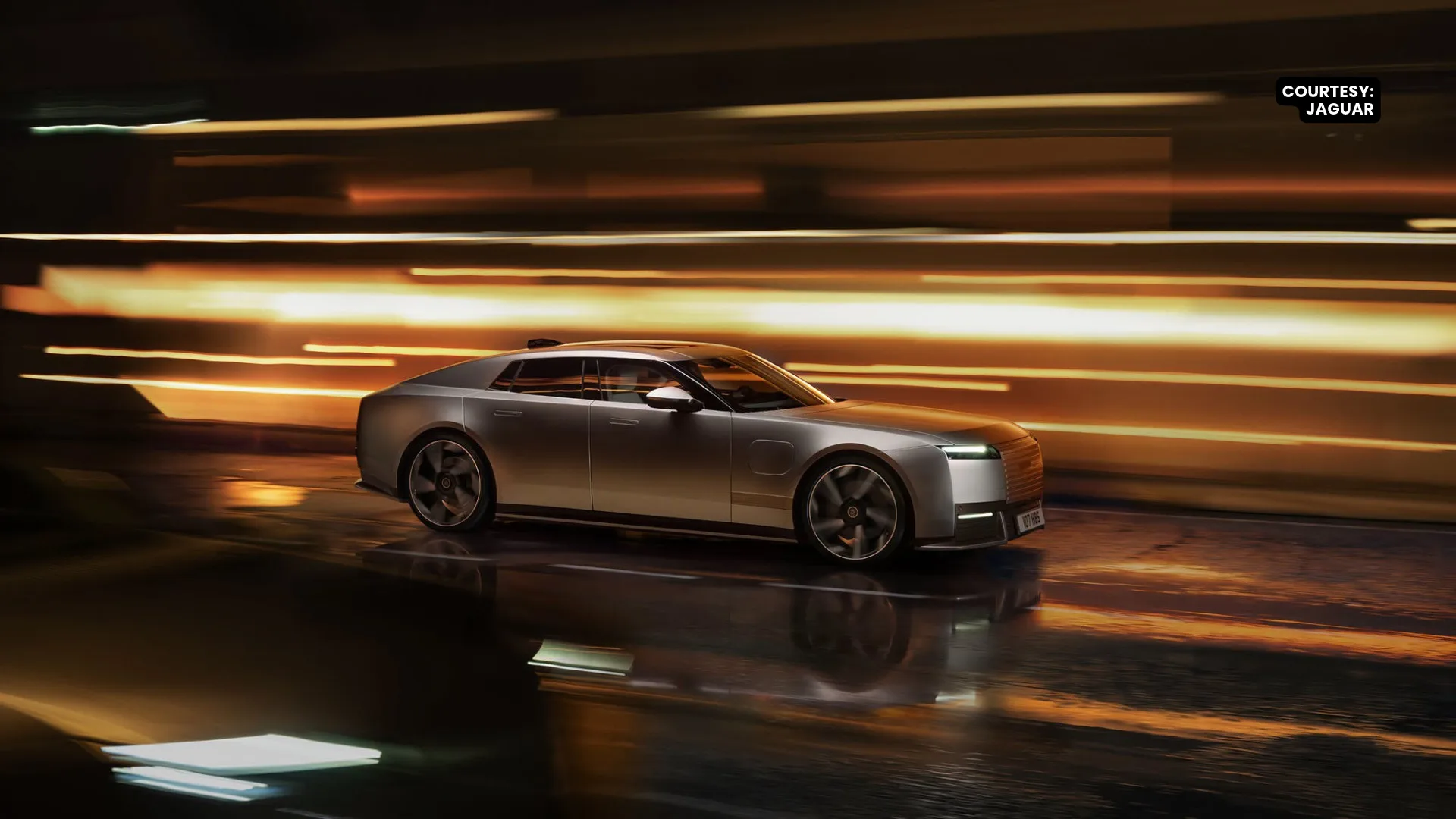
Enter the Type 01, Jaguar’s new electric four-door grand tourer, unveiled in New York on October 6. It gives the brand’s much-debated reinvention a production model, a starting US price and something enthusiasts can finally interrogate beyond the advertising campaign.

There is plenty to interrogate. Jaguar claims up to 1,015 horsepower, delivered by three electric motors, with 1,365Nm of torque. That makes the Type 01 its most powerful road car yet. Somewhere, an old Jaguar owner has stopped complaining about the logo long enough to check the numbers again.
For the technically particular—and car enthusiasts are nothing if not technically particular—the European figure of 1,030PS represents the same output expressed in metric horsepower. No secret upgrade. No missing horses. Just units doing their usual administrative mischief.
Jaguar quotes 3.2 seconds from zero to 100km/h. More intriguing is its claimed four-second sprint from 100 to 180km/h, which speaks to the enormous reserve of acceleration available once the car is already moving. A grand tourer should feel untroubled by the journey; this one apparently intends to make distance nervous.
But horsepower is the easy headline. The shape is the real commitment.
The Type 01 follows the pink Type 00 concept with a long bonnet, low roof and 23-inch wheels. Jaguar could have softened the design into something comfortably anonymous. Instead, it has retained proportions that will make approaching one in a parking lot feel like arriving at an appointment.

That stretched nose naturally invites a question: why give an electric car so much bonnet when there is no long combustion engine to accommodate?
Part of the answer is packaging. Jaguar says its dedicated architecture allows the battery to extend ahead of the passenger compartment, helping keep the roof low. The car’s silhouette therefore has more behind it than a designer refusing to put down the pencil.
The rear is equally determined. There is no conventional rear window; a camera-based mirror provides the view behind. It is a striking choice, though anyone accustomed to checking traffic through actual glass may need a little time to develop the relationship.
Inside, a central spine separates four individual seating spaces. A 24-inch OLED display and brass-effect trim provide the visual theater. The cabin appears designed for passengers who would like to travel together while maintaining clear personal boundaries.
For drivers, the more consequential details sit beneath the body. Air suspension, active dampers and torque vectoring accompany a claimed 50:50 weight distribution. These give Jaguar credible tools for managing both ride comfort and handling. How well they work together remains a question for a proper road test.
A thousand horsepower can impress during one acceleration run. A great grand tourer has to remain appealing several hours later, when the road surface deteriorates, the passengers want quiet and the driver has stopped auditioning the accelerator.
The battery and charging figures suggest Jaguar has taken the touring brief seriously. Its 118kWh usable battery supports manufacturer estimates of up to 720km under WLTP testing, with an anticipated EPA range of approximately 644km. Those figures come from different test procedures and remain estimates ahead of certification; neither is a guarantee for every journey.
Jaguar also claims its 850-volt architecture can add around 321km of range in as little as 13 minutes using suitable 350kW DC charging. Battery temperature, charge level and the charger itself will influence the result. Your coffee order may be predictable. Your charging stop requires a few more variables.
Order books are expected to open in early 2027, with first customer deliveries anticipated in the second half of the year. Until then, the Type 01 is a revealed production model with an ambitious specification—not a car whose everyday abilities have already been independently established.
Its biggest challenge is making the whole package desirable. At this price, buyers will expect craftsmanship, comfort and character to be as persuasive as the acceleration.
Jaguar has supplied enough power to leave an argument behind very quickly.
Now it needs to build a car people want to keep.