
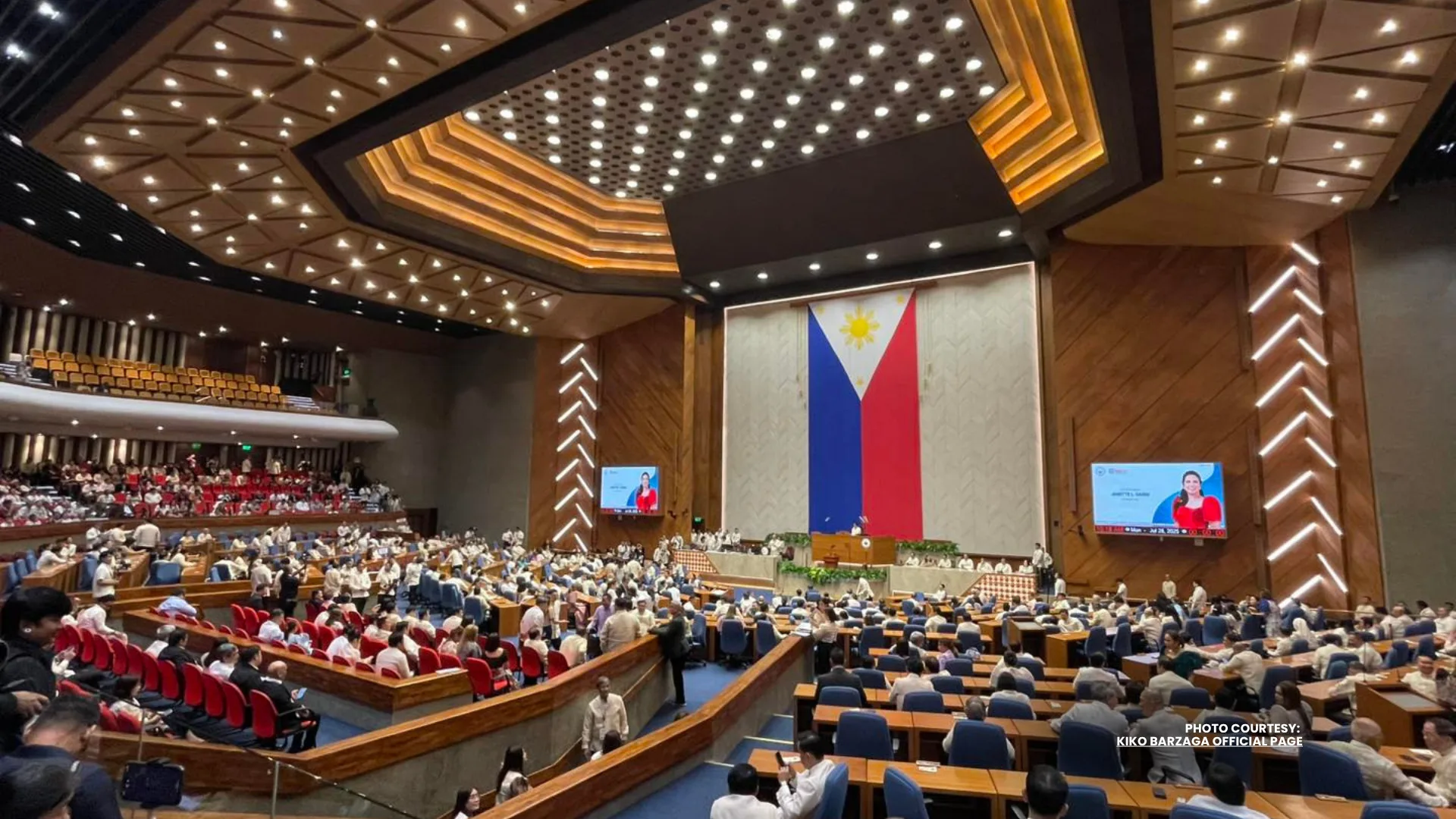
The House of Representatives is moving to sustain its legislative pace before the scheduled adjournment next week, advancing measures on transparency, child protection, nutrition, digital accountability, and economic development.
From May 25 to 26, the chamber approved 36 bills on third and final reading and passed 29 measures on second reading.
Among the bills approved on second reading were five measures listed under the Legislative-Executive Development Advisory Council priority agenda: the proposed Right to Access Information Act, amendments strengthening the Bases Conversion and Development Authority (BCDA), the proposed Child Online Safety and Protection Act of 2026, the expansion of the National Feeding Program into a broader National Nutrition Program, and the proposed Digital Media Anti-False Information Act.
The proposed Right to Access Information Act seeks to strengthen transparency and accountability in government by improving public access to official records and information.
The child online safety bill aims to update protections for minors amid the growing use of digital platforms, artificial intelligence, and online tools that can be exploited for abuse.
The proposed National Nutrition Program would expand the government’s feeding initiative into a more comprehensive framework addressing hunger, malnutrition, and learning gaps among children.
The digital media accountability measure, meanwhile, seeks to respond to harmful false information online while promoting responsible digital engagement, media literacy, and safeguards for free expression.
The proposed BCDA amendments are intended to help maximize strategic government assets for investment, infrastructure development, job creation, and broader economic activity.
House leaders said the volume of bills moving through the chamber reflects an effort to maximize the remaining session days and prioritize measures with direct public impact.
They said the chamber would continue working on pending legislation until the final session day on June 4.