
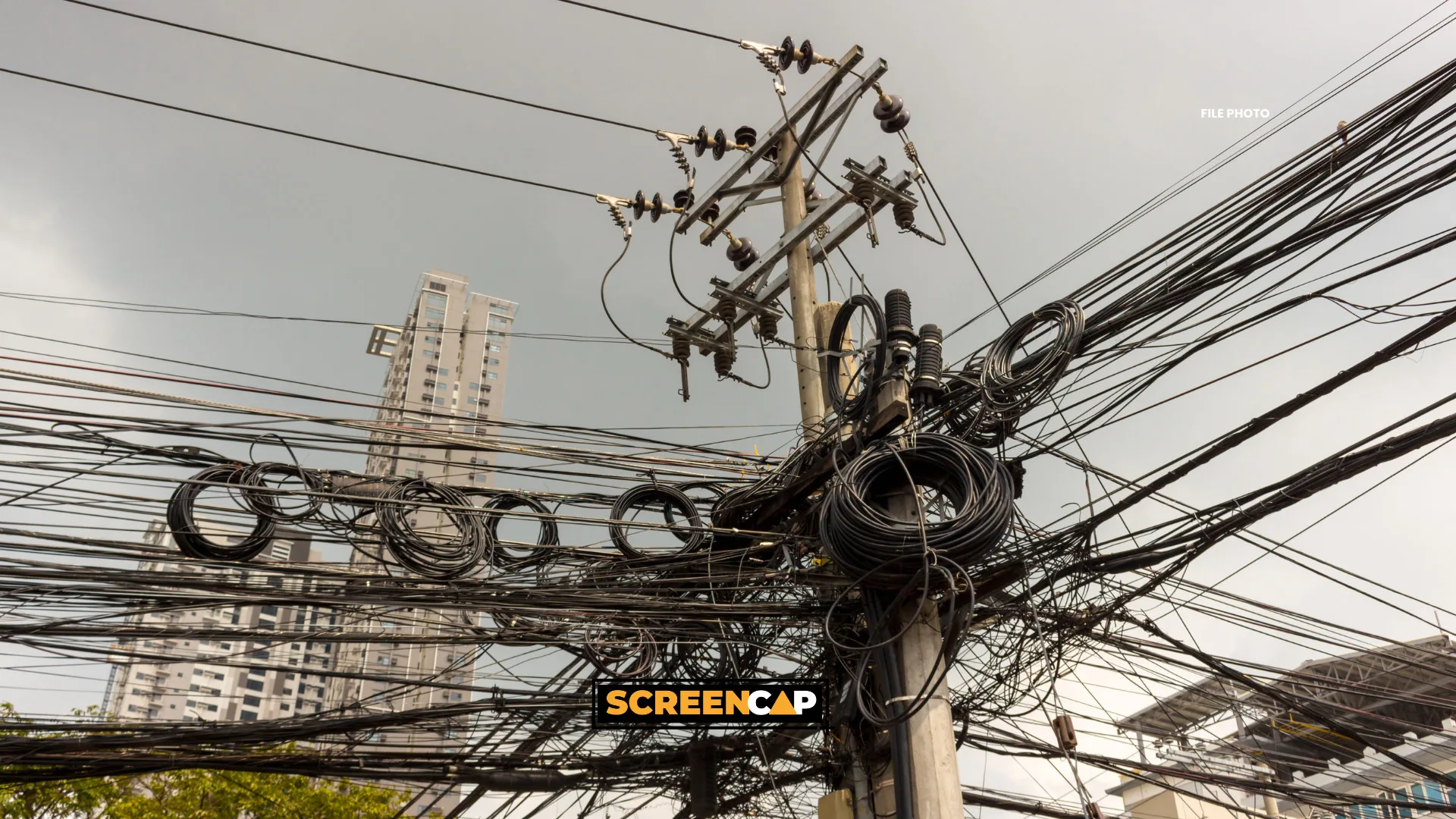
Government electricity subsidies should be better targeted to protect public funds and ensure that assistance reaches households that need it most, according to a study by the Philippine Institute for Development Studies (PIDS).
In the study titled “Making Electricity Subsidies Work: Cross-Country Lessons for Philippine Energy Policy,” PIDS Senior Research Fellow Dr. Kris Francisco said the country’s major power subsidy programs continue to serve an important social purpose but face growing fiscal and implementation pressures.
These programs include the Universal Charge for Missionary Electrification (UCME), the Lifeline Rate, and the Senior Citizen Discount.
Francisco said electricity remains a basic need because access to power allows households to study, work, earn a living, and participate more productively in the economy.
“We treat electricity as a basic need,” Francisco said, noting that subsidy programs support broader development goals by easing the cost burden on vulnerable households.
However, the study found that some existing mechanisms may not be accurately identifying the poorest consumers. Under earlier consumption-based eligibility rules, more than 60 percent of households in many regions qualified for lifeline rate benefits, raising concerns that some subsidies may have gone to households that were not the intended beneficiaries.
Francisco said using electricity consumption alone as a measure of poverty can be misleading.
“Lower consumption does not necessarily mean that a household is poorer,” she said.
She explained that some low-income families may appear to use more electricity because they share meters with other households. At the same time, some better-off households may record low power consumption because they use solar panels or energy-efficient appliances.
“Consumption thresholds alone are not enough to identify poor households and should be complemented with household welfare data,” Francisco added.
The study also warned that subsidy costs are rising sharply, particularly for the UCME, which supports electricity access in off-grid and remote communities.
UCME expenditures increased from P7.05 billion in 2020 to a projected P28.6 billion in 2024, underscoring the need to improve how subsidies are designed and delivered.
Despite the fiscal challenges, Francisco stressed that PIDS is not calling for the removal of electricity subsidies.
“We are not recommending the removal of these cross-subsidies because we believe they are serving an important equity goal,” she said.
“Our priority is simply to improve targeting and reduce leakages,” she added.
To make subsidies more effective, the study recommended stronger integration of welfare and administrative databases, including the Philippine Statistics Authority’s Family Income and Expenditure Survey, the Department of Social Welfare and Development’s Pantawid Pamilyang Pilipino Program and Listahanan databases, and utility consumer records.
PIDS said improving the targeting system would help the government preserve electricity subsidies for vulnerable households while making the programs more financially sustainable over the long term.