
Vice President Sara Duterte’s possible testimony in her impeachment trial could be critical in addressing allegations of threats against top government officials, but it would also expose her to cross-examination by House prosecutors, according to a member of the prosecution panel.
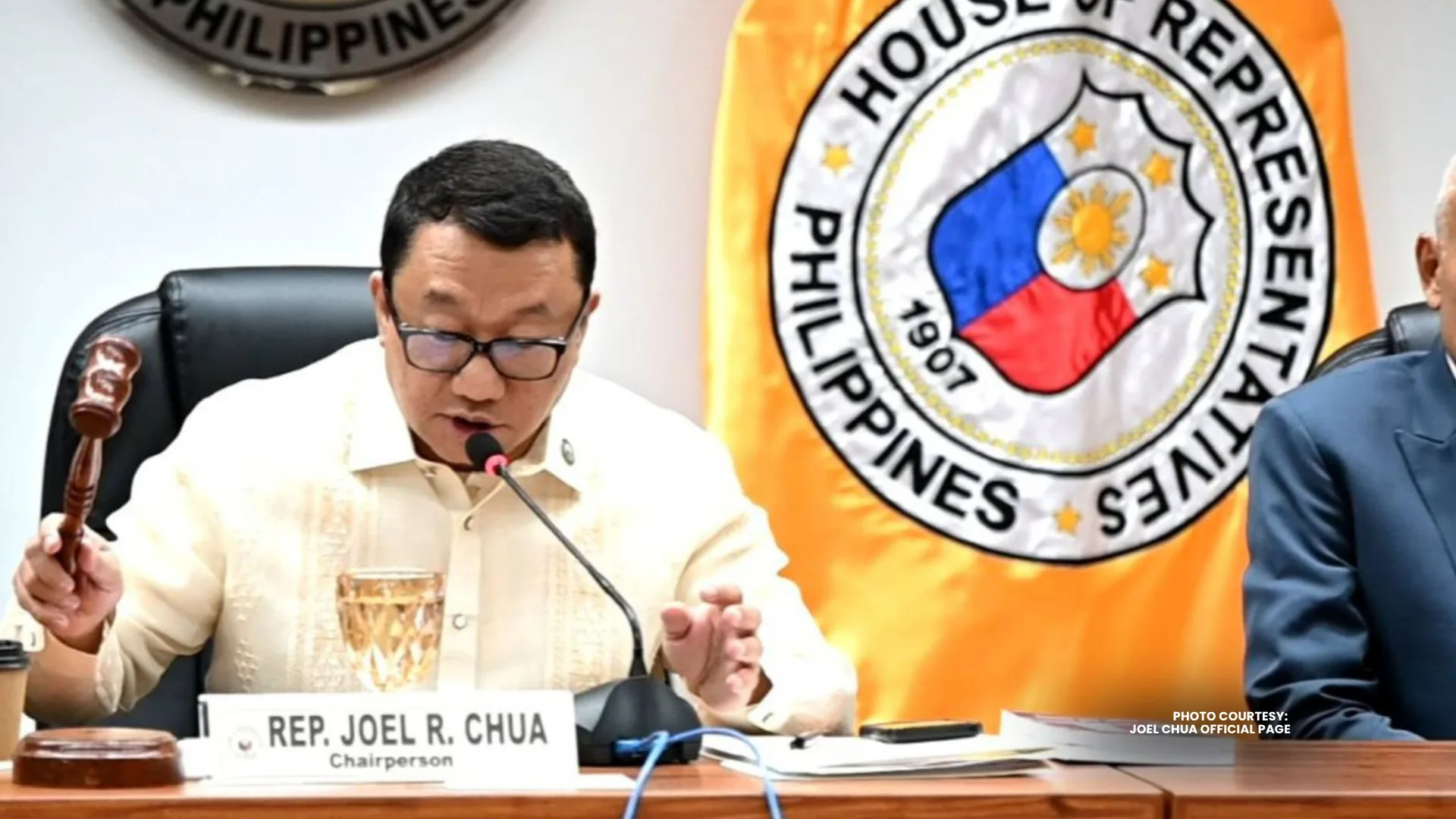
Manila Rep. Joel Chua said Duterte’s account could be significant in clarifying the allegations, particularly those involving supposed threats against President Ferdinand Marcos Jr., First Lady Liza Araneta-Marcos, and former House Speaker Ferdinand Martin Romualdez.
He noted, however, that presenting the Vice President as a defense witness carries legal risks.
“Mas maganda kung may paliwanag rin niya,” Chua said, referring to Duterte’s potential testimony, but added that the defense must carefully consider the consequences of placing her on the stand.
He stressed that once Duterte testifies, she would be subject to cross-examination by the prosecution.
“Definitely po, once na siya po ay ginawa nilang testigo, she will be subjected to cross examination. So siyempre i-cross examine din po namin siya,” he said.
The Manila solon said it remains the defense’s decision whether to present the Vice President as a witness, noting that prosecutors cannot interfere with trial strategy.
He added that, under standard procedure, the accused in impeachment proceedings typically serves as the defense’s primary witness if they choose to testify.
The House has impeached Duterte on allegations of misuse of public funds, unexplained wealth, bribery, and threats, all of which she has denied.
Chua also downplayed reports claiming Duterte’s legal response to the case spanned around 1,000 pages, clarifying that the actual filing was significantly shorter.
“Fifty-one pages lang po,” he said, referring to her formal answer, adding that the rest were attachments.
The lawmaker also suggested that the defense may be attempting to divert attention from the impeachment proceedings by pointing to unrelated political developments in the Senate, although he did not provide evidence for the claim.
He added that questions on voting requirements in the impeachment court should ideally be resolved internally by the Senate, though he noted that any disputed ruling could still be elevated to the Supreme Court.