
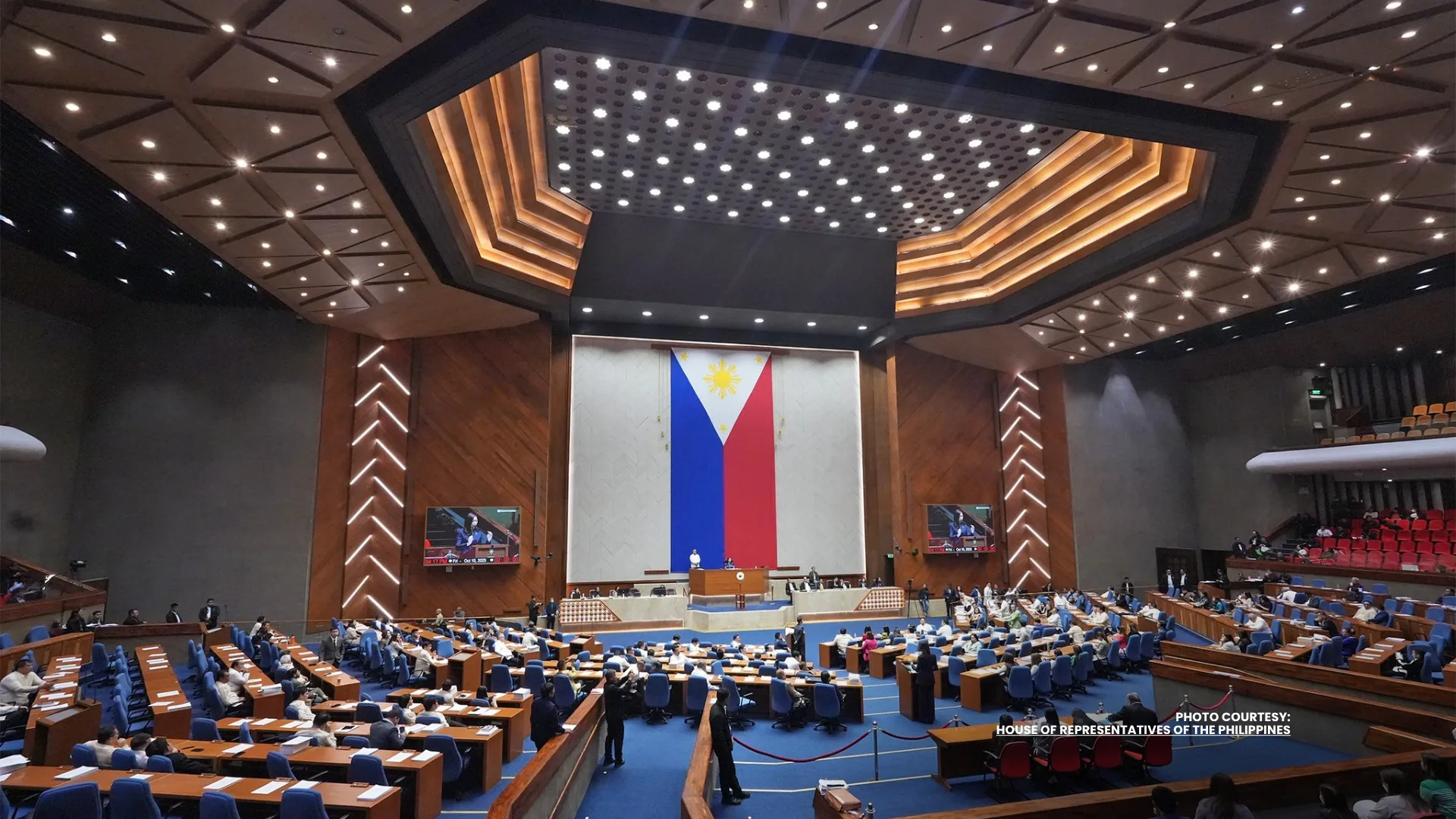
The House of Representatives’ remote voting rules were designed for emergencies and official duties, not as a general substitute for physical attendance in major proceedings, a senior solon said.
The clarification was made as debates continued over proposals to allow expanded virtual participation in Senate sessions ahead of the impeachment trial of Vice President Sara Duterte.
The House mechanism, first adopted during the COVID-19 pandemic, was created only to ensure continuity of legislative work when physical attendance becomes difficult or impossible due to extraordinary circumstances.
“The House framework was crafted as a practical and limited mechanism during extraordinary circumstances, and it has been applied under defined parameters during the pandemic period,” Deputy Speaker Paolo Ortega V said.
He noted that it would be misleading to cite House practices as justification for broader remote participation, particularly in proceedings involving national interest and constitutional accountability.
“Hindi po pwedeng piliin lang ang bahagi ng rules na convenient sa argumento. Kapag binasa mo nang buo ang House rules, malinaw na ang virtual participation ay exception, hindi default mode ng lehislatura,” he said.
He cited Section 89 of the House Rules, which allows sessions through electronic platforms only when attendance becomes extremely difficult or impossible because of natural calamities, pandemics, strikes, riots, civil disturbances, or other extraordinary situations, and only when there is urgent necessity to act on legislation.
“Napakalinaw ng Section 89. Hindi ito ginawa para sa convenience. Hindi ito ginawa para makaiwas sa pagharap sa plenaryo. Ginawa ito para matiyak na tuloy ang trabaho ng Kongreso kapag may emergency o extraordinary circumstances,” he emphasized.
He also pointed to Section 71, which recognizes limited exemptions from physical attendance for official functions such as committee hearings, bicameral conference meetings, Commission on Appointments sessions, House Electoral Tribunal proceedings, and missions authorized by the Speaker.
Ortega said those provisions show that physical presence remains the general rule, while virtual participation is allowed only under narrow and clearly justified circumstances.
“The rules are still anchored on physical attendance. The exemptions are narrowly defined and supported by clear justification. They were never intended to serve as an open-ended authority to turn normal legislative proceedings into virtual sessions,” he said.
He said the House and Senate also operate under different conditions, noting that House members represent districts across the country and may be required to respond to calamities, emergencies, or peace and order concerns in their constituencies even while sessions are ongoing.
By contrast, he said, the Senate has only 24 members and does not represent individual districts that require similar local response duties during plenary sessions.
He stressed that remote participation was heavily used during the pandemic out of necessity, but the House later scaled back the practice once normal operations resumed.
“Even the House recognized that virtual sessions are extraordinary measures. Kaya nga after the pandemic, limited na rin ang paggamit nito,” he said.
He warned against using emergency-era rules to normalize remote participation in proceedings carrying serious constitutional weight.
“Kapag usapin na may constitutional gravity, public accountability at national interest, mas lalong kailangan ang personal presence, direct participation at full transparency,” he pointed out.
“Huwag nating gamitin ang emergency provisions ng House rules para bigyang-katwiran ang paggawa ng extraordinary process bilang ordinaryong practice,” he added.