
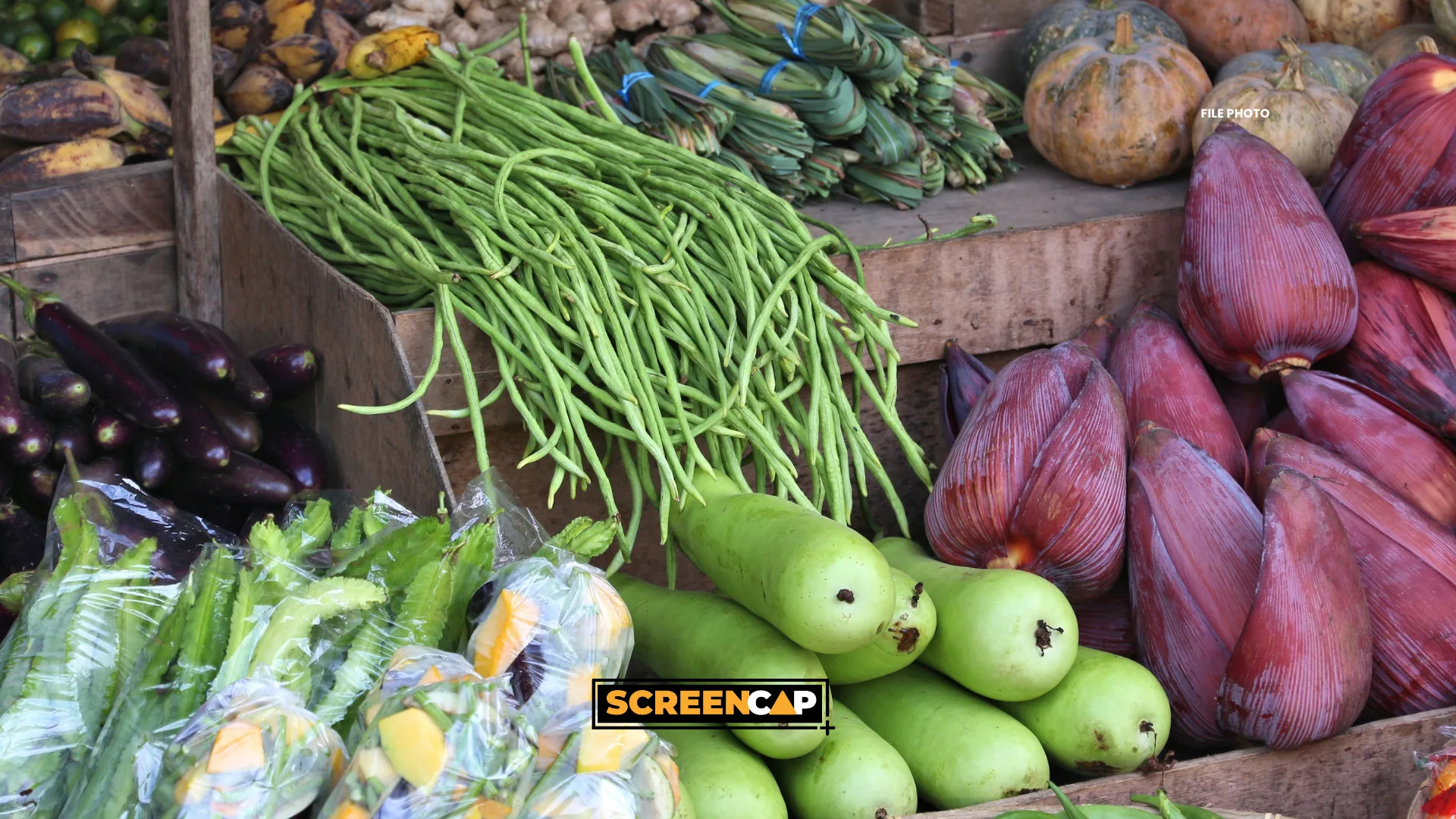
Farmers and fisherfolk stand to gain stronger market access and better income opportunities through the full implementation of the Sagip Saka Act and other pending agriculture reforms aimed at improving food supply and lowering prices.
The benefits of the measure were highlighted during Albay’s Agri Fiesta 2026, an annual celebration recognizing the role of farmers and fisherfolk in food security, productivity, sustainability, and rural development.
The Sagip Saka Act allows national government agencies and local government units to buy food directly from accredited farmers and fisherfolk cooperatives without going through public bidding. The system is intended to cut middlemen, improve farmgate earnings, and create a steady market for local producers.
“Kapag maganda na ang kita ng ating mga magsasaka at mangingisda, binebenta na direkta sa mga ospital, sa mga provincial jail ay talagang babalik sa komunidad, babalik sa mga barangay ang pera,” Senator Francis “Kiko” Pangilinan said during the event. “Gaganda ang ekonomiya at aahon na ang ating economic growth.”
Supporters of the measure said direct procurement can help connect local producers to government feeding programs, hospitals, schools, provincial jails, and social welfare initiatives. Agencies such as the Department of Health, Department of Education, Department of Social Welfare and Development, and Department of the Interior and Local Government were also urged to source more food requirements from local farmers and fisherfolk.
The approach has already produced gains in some areas. The Camarines Sur Multipurpose Cooperative, cited during the event, increased its sales to P300 million within five years of implementing Sagip Saka in 2020. Local governments such as Quezon City and Oriental Mindoro were also recognized for purchasing food needs directly from accredited agriculture and fisheries cooperatives.
Agriculture advocates said expanding the system could help improve rural livelihoods while strengthening the country’s food supply chain.
“Pag hindi binigyan ng suporta ang magsasaka at mangingisda, mananatiling kapos. At pag nanatiling kapos, hindi magiging maganda ang ani, hindi magiging maayos ang huli, hindi dadami ang supply ng pagkain, mananatiling mataas ang presyo ng pagkain,” Pangilinan said. “Lahat tayo apektado.”
Aside from Sagip Saka implementation, two proposed reforms remain pending in the Senate: the renationalization of agricultural extension services and the reestablishment of the Bureau of Agriculture Cooperatives.
The twin measures, which have passed second reading, seek to bring technical support closer to farmers at the municipal level and strengthen cooperatives as vehicles for production, financing, marketing, and collective bargaining.
The proposed reforms are aimed at addressing long-standing gaps in the agriculture and fisheries sectors, where many producers remain among the country’s poorest despite their central role in feeding the population.
The Albay Agri Fiesta served as a platform for consultations with farmers and fisherfolk, including discussions on the impact of drought and the need for stronger government support to improve productivity, resilience, and income stability in rural communities.