
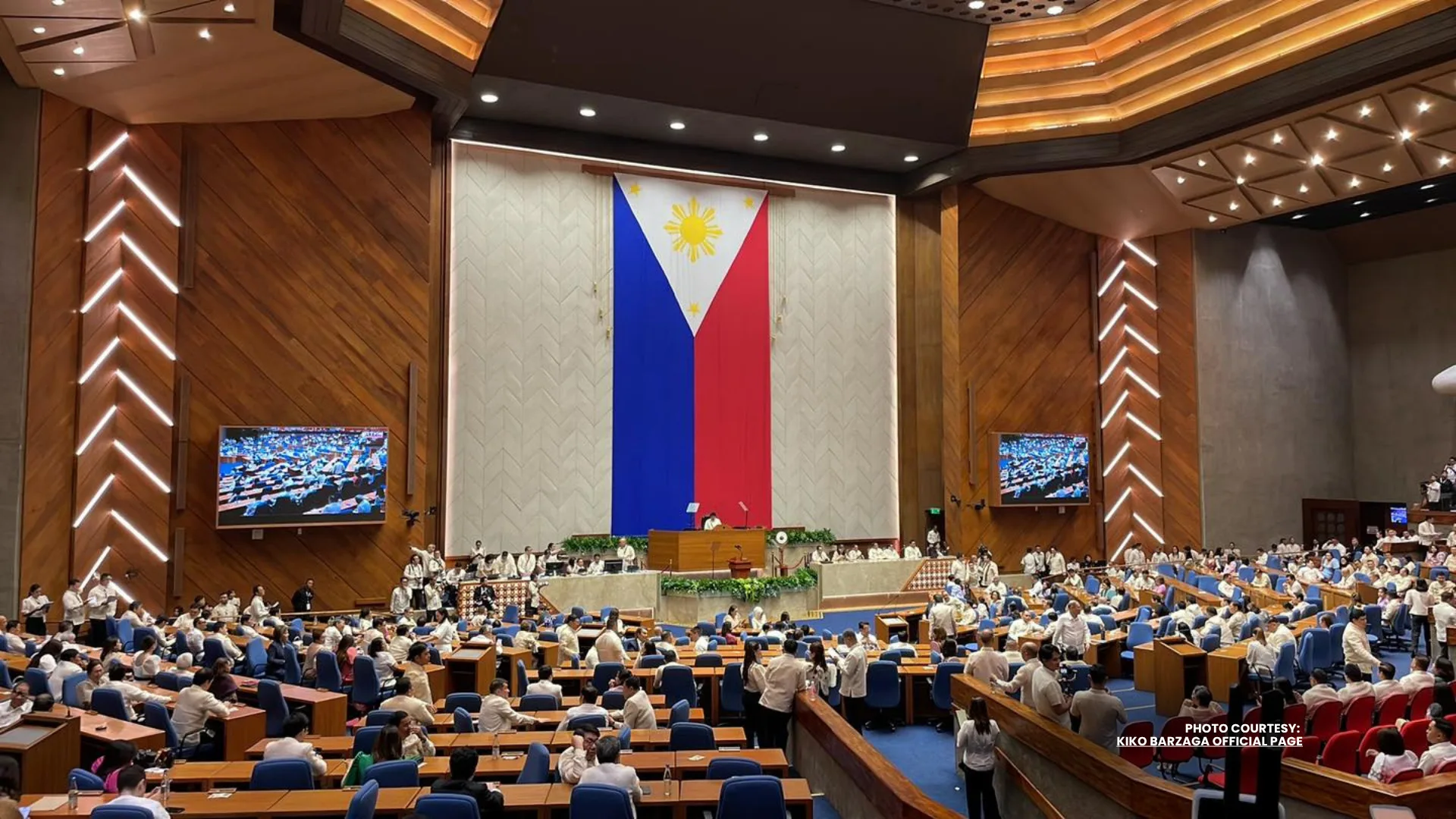
The House of Representatives of the Philippines has approved on third and final reading a landmark measure seeking to establish a unified framework for managing the country’s land resources, a move lawmakers described as a long-overdue step toward sustainable development.
Voting 224–3 with no abstentions, the chamber passed House Bill No. 8466 or the proposed National Land Use Act, which aims to harmonize competing demands for land use across agriculture, housing, infrastructure, environmental protection, and economic development.
The bill was approved shortly after House Speaker Faustino Bodjie Dy III flagged it as a priority measure upon the resumption of session, underscoring the urgency placed on addressing long-standing gaps in national land planning.
Lawmakers said the measure seeks to end decades of fragmented and inconsistent land use policies that have contributed to overlapping claims, urban congestion, and inefficient development planning across the country.
Once enacted, the proposed law will introduce a science-based and integrated land use system designed to guide both national and local development strategies. It also aims to strengthen food security by protecting agricultural zones, while ensuring that infrastructure expansion and environmental conservation are properly balanced.
Supporters of the measure emphasized that land use planning goes beyond zoning concerns, framing it as a critical policy tool for national security, disaster resilience, and long-term economic stability.
The bill is also part of the priority agenda under the Legislative-Executive Development Advisory Council (LEDAC), reflecting its alignment with broader efforts to synchronize legislative and executive development planning.
House leaders said the measure is expected to provide clearer direction for land allocation decisions, reduce policy conflicts among agencies, and ensure more sustainable growth for future generations.
With its passage in the House, the proposed National Land Use Act moves closer to becoming a foundational policy that lawmakers say will help shape how the country balances development needs with environmental protection and resource management in the years ahead.