
The Department of Education (DepEd) has launched a nationwide preparedness initiative aimed at strengthening school safety against a possible magnitude 7.0 earthquake, commonly referred to as “The Big One.”
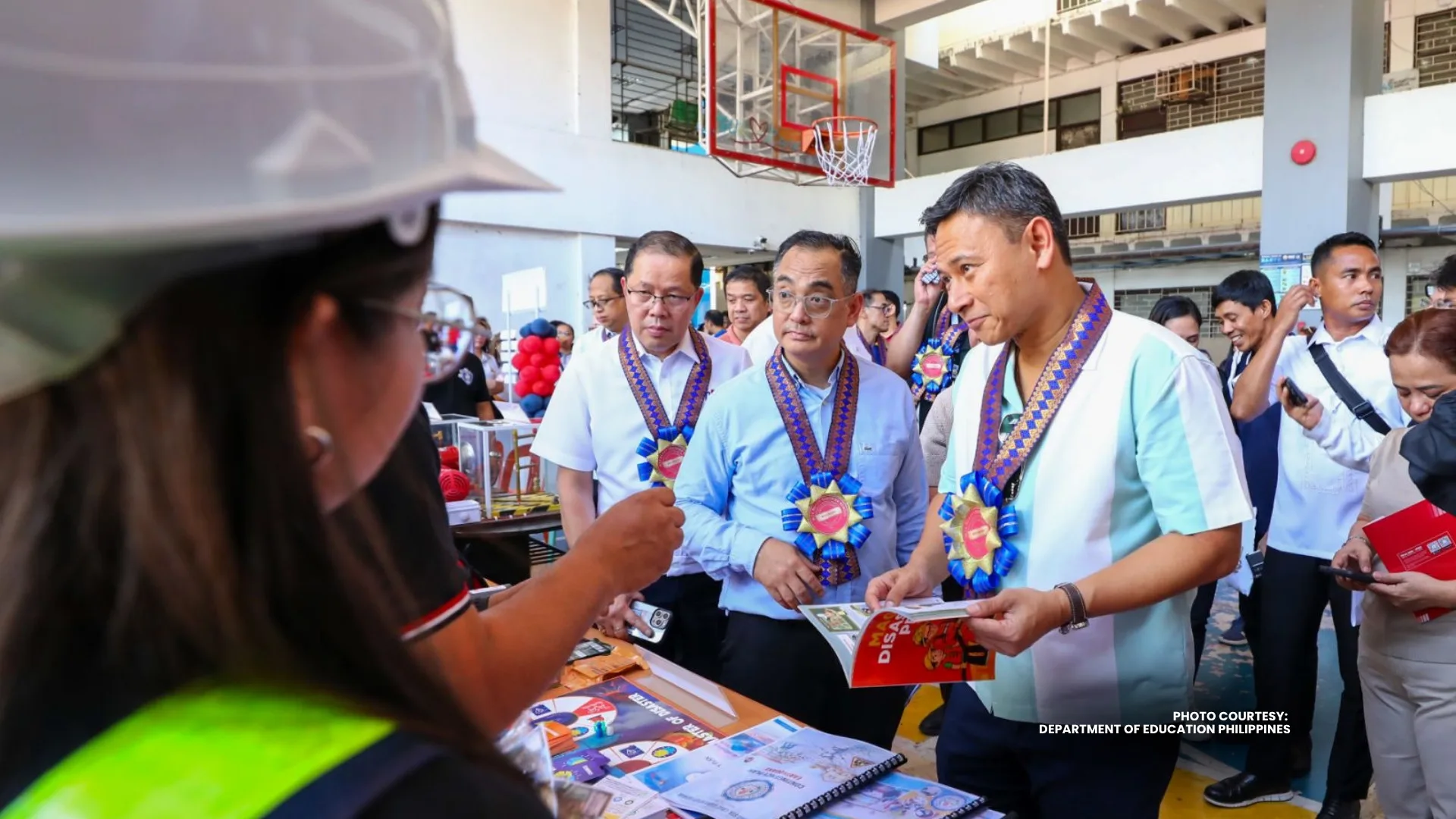
Education Secretary Sonny Angara on Thursday formally introduced the M7X Ready School Program, which seeks to institutionalize earthquake readiness across public schools and reduce risks to millions of students and education personnel.
The program will initially cover public schools in the Greater Metro Manila area, including the National Capital Region, Central Luzon, and Calabarzon. Schools under this first phase are expected to complete certification requirements by the end of School Year 2026. A nationwide rollout covering both public and private schools is planned by 2028.
Speaking during the program orientation in Pasig City, Angara said the initiative aligns with government directives prioritizing safety and continuity of education in the face of natural disasters.
He stressed that the program goes beyond routine earthquake drills, describing it as a structured preparedness system designed to ensure schools are ready before disaster strikes rather than responding only after damage occurs.
The initiative is anchored on risk assessments linked to projections from the Metro Manila Earthquake Impact Reduction Study, which warns that a strong quake along the West Valley Fault could result in widespread destruction and significant loss of life in the capital region.
Under the M7X framework, schools must meet strict requirements to achieve certification. These include structural safety inspections, fire safety evaluations, and the installation of early warning systems to improve response time during emergencies.
The program also introduces DepEd Agile Response Teams, which will be deployed to high-risk areas to support rapid coordination and emergency response in the event of a major earthquake.
Beyond infrastructure upgrades, the initiative includes mandatory training in first aid and basic life support for teachers and staff, with the goal of strengthening school-level response capabilities.
The launch brought together education officials, local government units, and national agencies, highlighting efforts to improve coordination in disaster preparedness and response.
Authorities said the program also emphasizes family and community preparedness, aiming to ensure that safety measures extend beyond school grounds and into households.
Through standardized protocols and expanded training, the education department hopes to reduce potential casualties and maintain learning continuity even in the aftermath of a major seismic event.