
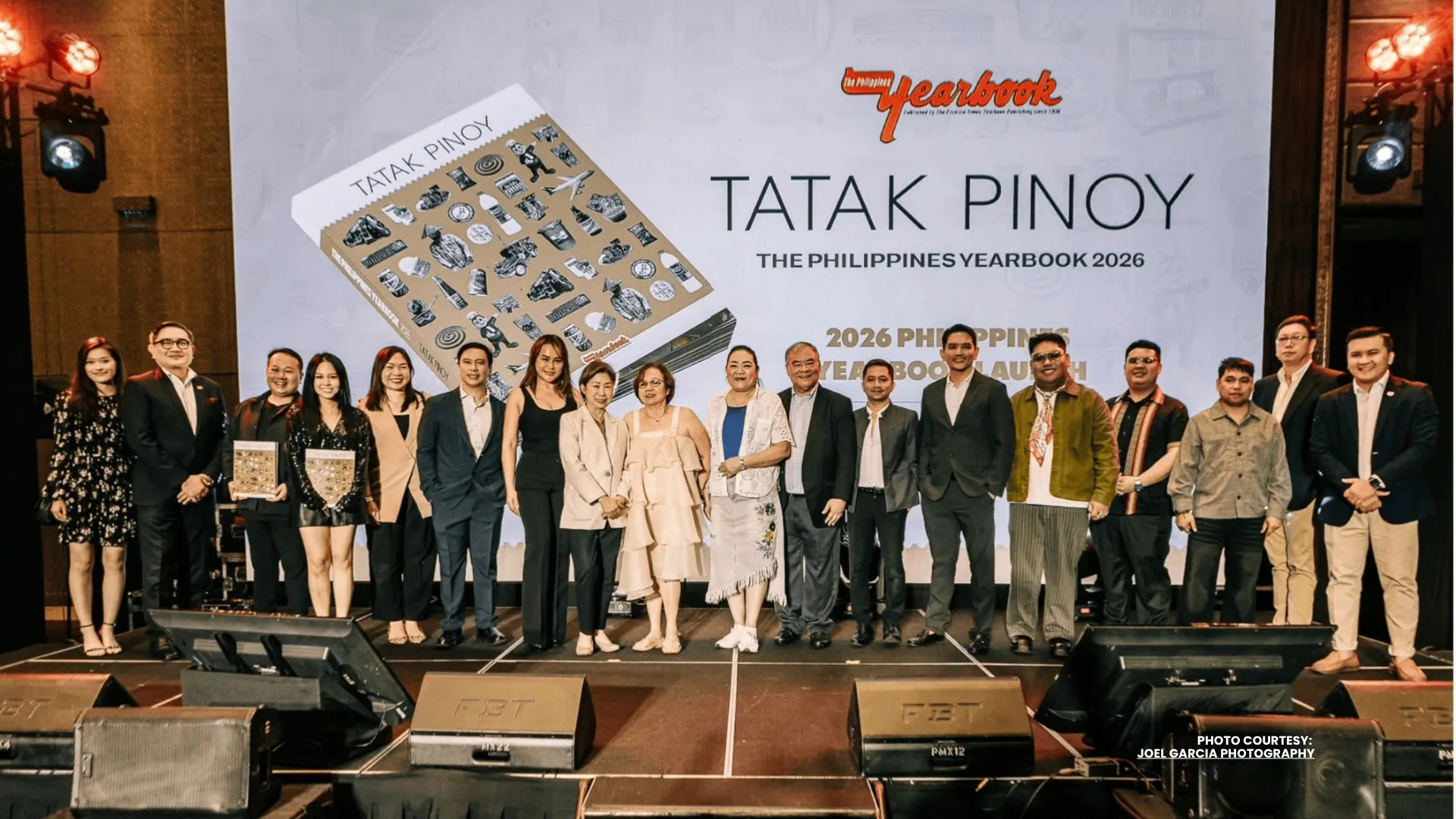
Philippines Yearbook’s 90th edition recognizes the household staples that became enduring parts of Filipino culture
In Filipino kitchens, significance is rarely defined by extravagance. More often, it is found in the quiet reliability of everyday staples, the ingredients that stretch meals, spark creativity, and bring families together around the table.
That idea takes center stage this year as The Philippines Yearbook, the long-running annual publication chronicling Philippine progress, culture, and industry, marks its 90th year. Published since 1936 by The Fookien Times, the yearbook has historically documented the institutions, businesses, and cultural shifts that shaped the country across generations.
Its latest edition turns toward something more intimate. The brands woven into Filipino routine and memory. Among those recognized are names deeply embedded in everyday life, from Jollibee to Datu Puti, to SkyFlakes, and Choc Nut. Together, they form a kind of unofficial archive of Filipino domestic life, products people do not merely consume, but repeatedly return to over time.

Culture is often discussed through grand symbols such as historic landmarks, celebrated cuisine, or major political moments. But much of national identity is formed through repetition rather than spectacle. It lives in the pantry, the commute, the neighborhood grocery shelf, and the snacks packed into school bags.
Few products reflect that everyday familiarity better than Ligo. Its inclusion in the yearbook is less about corporate milestones than cultural presence, how something as simple as a can of sardines became embedded in the way Filipinos cook, eat, and care for one another.
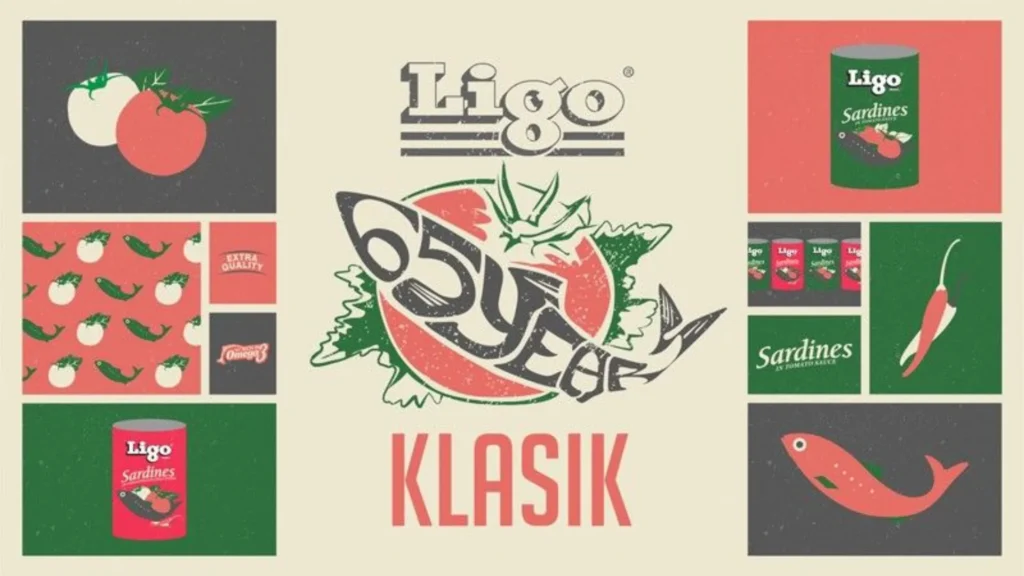
For generations, sardines have occupied a unique place in Filipino households. They are the dependable answer to busy days, tight budgets, and sudden cravings. Sautéed with garlic and onions for breakfast, folded into pasta for late dinners, or simmered into hearty stews, their versatility mirrors the resourcefulness of Filipino home cooks.
Ligo’s longevity reflects this broader narrative. Its staying power comes not only from familiarity, but from its ability to remain relevant across decades of changing tastes and lifestyles. It shows a food culture that values practicality without sacrificing flavor, a balance that resonates deeply in a country where meals are both sustenance and expression.
The recognition also highlights a larger cultural truth. Filipino food identity is shaped as much by everyday ingredients as it is by celebrated dishes. Pantry staples like canned sardines quietly influence how meals are prepared, shared, and remembered. They are part of late-night dinners, packed lunches, and impromptu gatherings, the kinds of moments that rarely make headlines but define daily life.
In that sense, the inclusion of Ligo is not simply a nod to a household brand, but to a shared Filipino experience rooted in resilience, adaptability, and the enduring comfort of simple, nourishing food.
Sometimes, the truest portrait of a country is not found in monuments or headlines, but in the meals quietly repeated at home.