
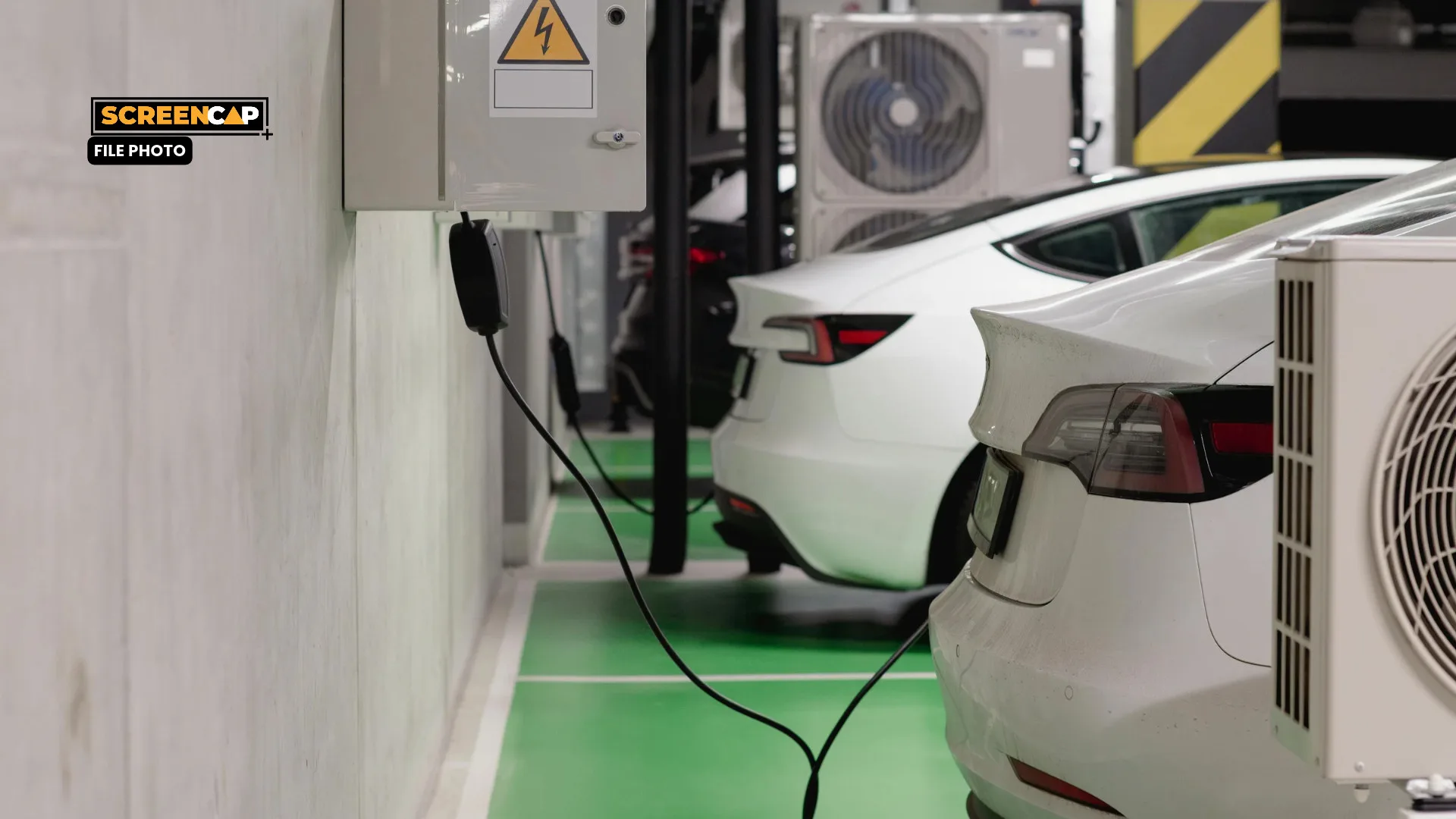
Rising fuel prices are prompting Filipino motorists to consider electric vehicles (EVs) as an alternative to conventional gasoline-powered automobiles.
Data showed EV registrations, including hybrids, grew 130% year-on-year to over 67,000 units during the first eight months of 2026 as climbing gasoline prices placed increased pressure on household transportation budgets.
Separate metrics from the Department of Energy indicated that 66,685 EVs were sold from January to August, representing approximately 24.7% of total estimated vehicle sales nationwide, or nearly one in four vehicles sold during the period.
Plug-in hybrids accounted for 29,649 units, followed by conventional hybrids at 20,716 units and fully battery-electric vehicles at 16,320 units, reflecting a preference among buyers to adopt electrification while retaining access to gasoline.
Local gasoline prices rose 68.3% compared to late-February levels due to global energy market disruptions connected to the conflict involving the United States, Israel, and Iran, impacting the heavily import-dependent domestic petroleum market.
Market demand influenced sales figures, with BYD delivering 28,399 vehicles in the Philippines from January to August, nearly doubling its performance from the same period in the previous year.
Practical adoption factors remain dependent on vehicle purchase costs, electricity rates, charging access, daily mileage, and maintenance expenses, making hybrids an option for drivers without home charging or those traveling long distances.
Infra-structure expansion accompanied the market movement, with the country recording 1,876 registered EV charging stations and 949 government-recognized EV models through the end of August.
Electric motorcycles continue to encounter affordability hurdles, while conventional motorcycles and public utility vehicles remain widely used across the country.
Government targets for public and official transport include a goal for EVs to comprise half of the country’s taxi fleet and government official vehicles by 2030, alongside efforts to extend duty-free treatment for EV imports beyond the scheduled 2028 expiration.