
The Constitution’s requirement of a two-thirds vote for conviction in an impeachment trial cannot be altered, but legal experts say the method of counting that threshold remains unsettled, particularly if some senators are beyond the Senate’s coercive reach.
House prosecutor and legal expert Chel Diokno clarified the issue ahead of the June 18 pretrial conference in the impeachment case against Vice President Sara Duterte. “The two-thirds requirement is fixed in the Constitution. Other procedural rules can be revised by the Senate, but how you count the two-thirds is not clearly settled in jurisprudence,” Diokno explained.
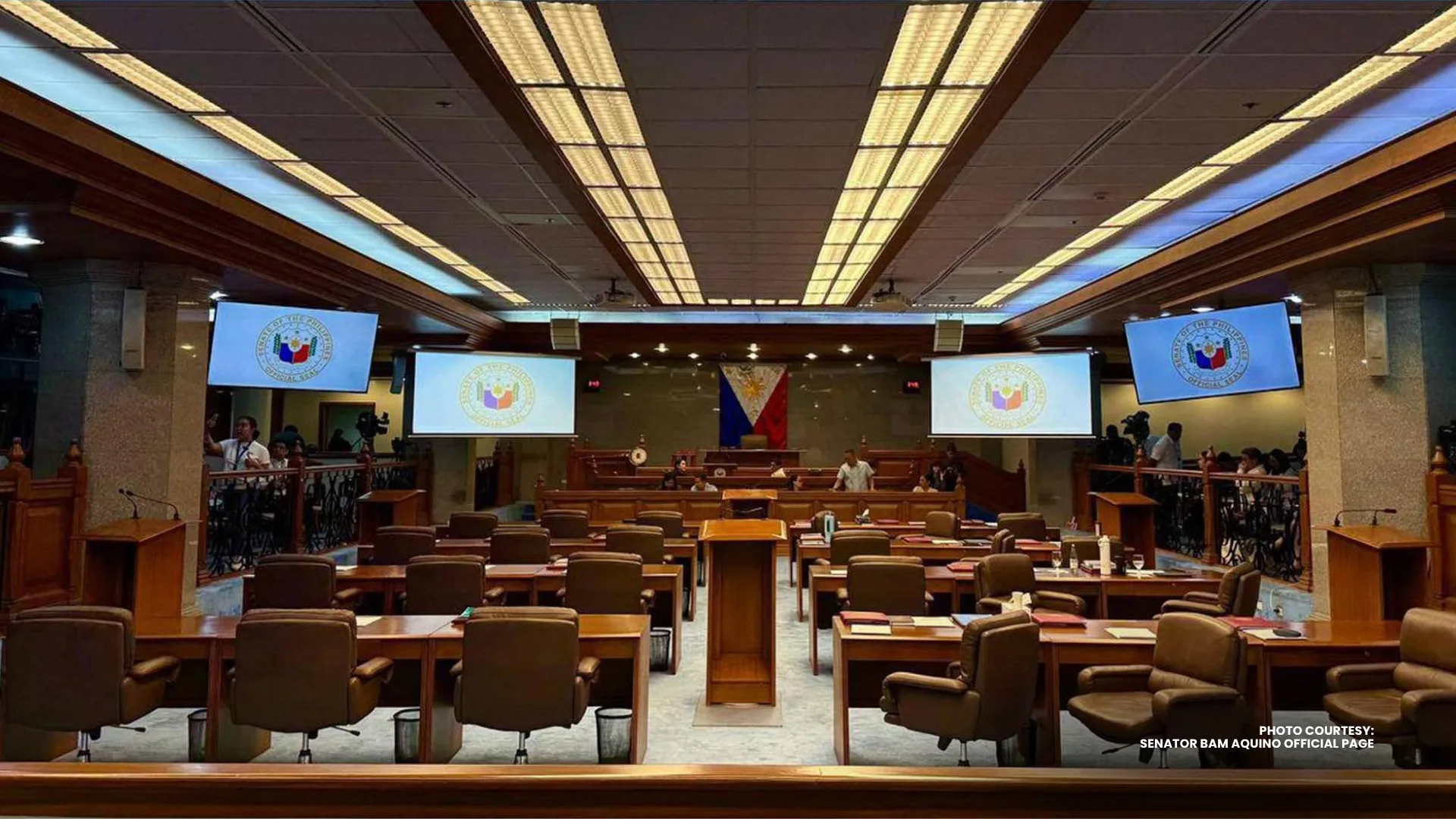
The question has gained urgency amid ongoing Senate leadership disputes, which have raised issues on quorum, the Avelino doctrine, and whether absent senators should be included in the vote count. While the Supreme Court has recognized that quorum can depend on how many senators are within the chamber’s coercive reach, it remains unclear whether the same principle applies to an impeachment trial.
Batangas Rep. Gerville Luistro, lead prosecutor and chair of the House Committee on Justice, echoed the need for interpretation. She said the debate centers on representation and accountability, asking whether a senator unable to attend or vote should be counted toward the required threshold. “If a senator cannot attend, participate, or vote, how can they truly represent the interest of the Filipino people?” Luistro said, stressing that impeachment is one of the rare occasions when senators exercise judgment on behalf of the entire country.
Both lawmakers underscored that while the two-thirds requirement itself is constitutional, evolving legal interpretations are likely to shape how the threshold is practically applied in the impeachment process.