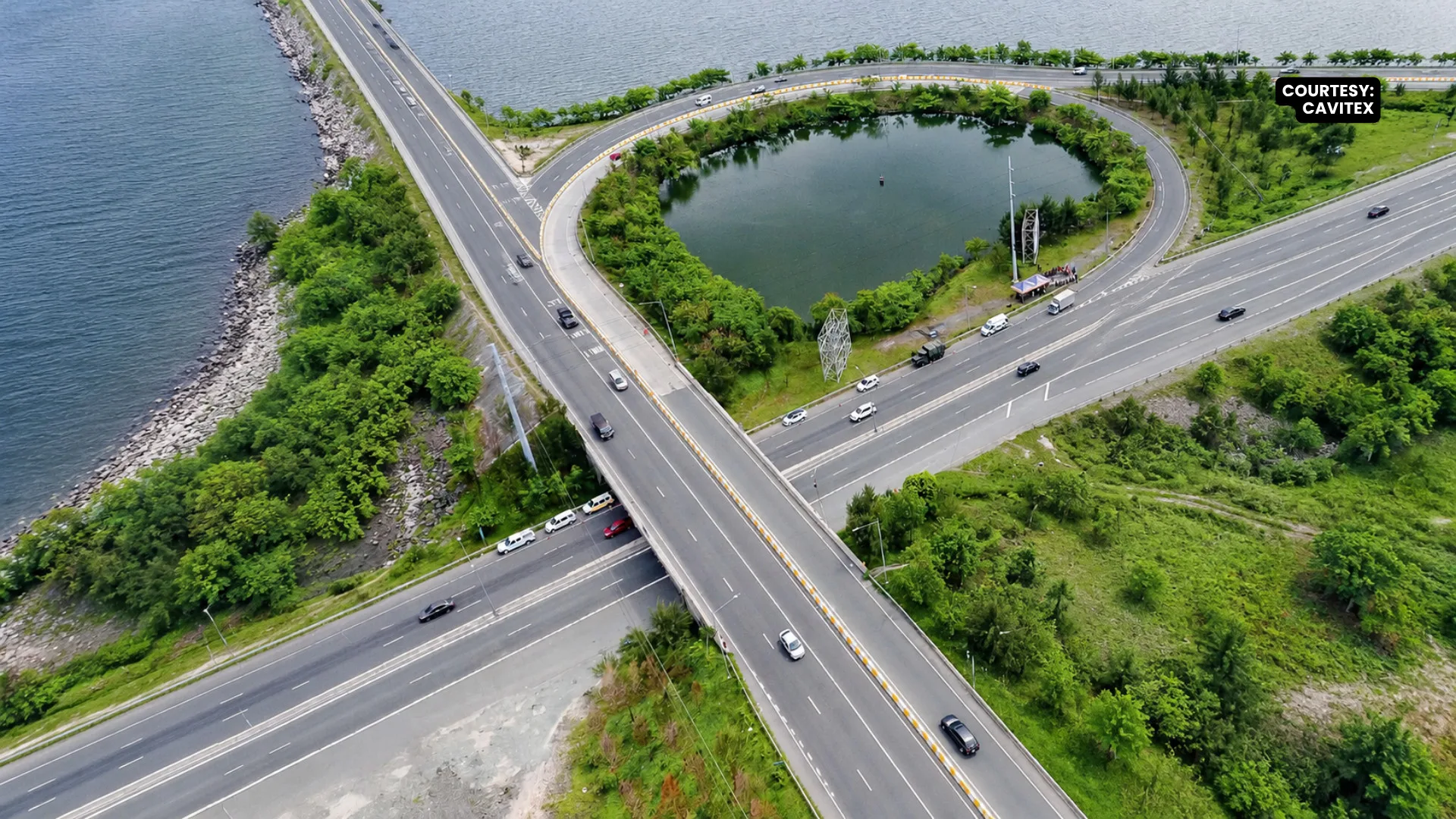
The Toll Regulatory Board (TRB) has approved the implementation of the second tranche of toll rate adjustments for the CAVITEX R1 Expressway Extension, covering the Zapote, Las Piñas to Kawit, Cavite segment, effective October 28, 2026.
Under the new rates, motorists using the seven-kilometer expressway extension will pay P103 for Class 1 vehicles, P207 for Class 2 vehicles, and P310 for Class 3 vehicles.
The adjustments stem from the 2020 and 2023 toll petitions filed by CAVITEX Infrastructure Corp. (CIC) and the Philippine Reclamation Authority (PRA), covering periodic toll increases originally due for implementation in 2021 and 2024, respectively.
To cushion the impact on motorists, the approved adjustments were divided into two tranches. The first tranche took effect in October 2025, while the second tranche will be implemented starting October 28.
The CAVITEX R1 Expressway Extension serves more than 50,000 motorists daily and provides a key transport link between Metro Manila and Cavite, supporting economic activity across Southern Luzon.
To help ease the impact of the toll adjustments on public transportation operators, the ABANTE Program, a toll reprieve initiative for public utility vehicle (PUV) operators, will be reactivated on October 28.
For 60 days from the implementation date, accredited traditional and modern jeepneys, UV Express units, and buses operating authorized routes through the CAVITEX R1 Expressway Extension in Kawit will be eligible for toll rebates.
The toll rebate program for vehicles transporting agricultural products will also remain in effect until November 30, 2026, to support the movement of agricultural goods.
Previous toll relief measures included exemptions for accredited Class 2 public utility buses and public utility vehicles, as well as rebates for Class 3 vehicles and accredited vehicles transporting agricultural products.
CIC, PRA and expressway operator PEA Tollway Corp. (PEATC) said they continue to invest in infrastructure improvements and technology upgrades along CAVITEX.
These include replacing expansion joints on bridges along the Parañaque segment and the Imus Viaduct to improve ride comfort and structural reliability, upgrading radio frequency identification (RFID) systems and installing automatic license plate recognition (ALPR) technology to facilitate faster transactions, and rehabilitating pavement in critical sections of the Kawit and Parañaque segments.