

The iPhone 18 Pro gets faster and more capable, but Apple’s first foldable iPhone Duo is the device that changes the conversation.
Apple has spent nearly two decades refining the basic shape of the iPhone. On September 9, it finally changed it.
At its “Surprise and Shine” event in Cupertino, the company unveiled the iPhone 18 Pro and iPhone 18 Pro Max alongside something far less familiar: the iPhone Duo, Apple’s first foldable smartphone.
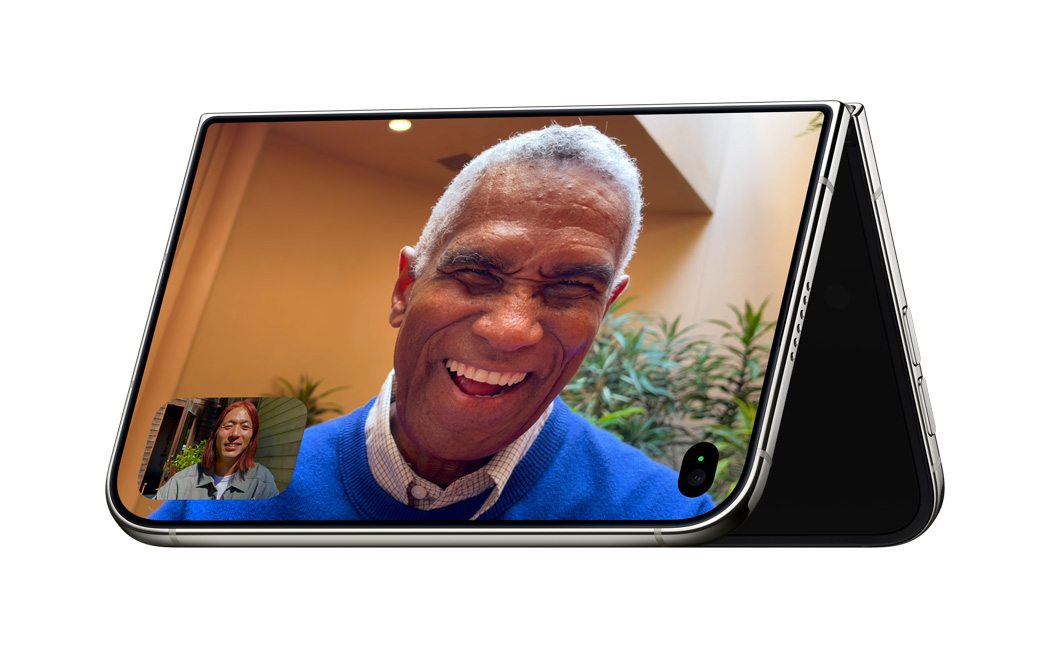
The Pro models are the expected annual upgrade—faster chips, better cameras and longer battery life. The Duo is the bigger gamble, putting Apple into a foldable-phone market where Samsung and other Android manufacturers have spent years working through the format’s compromises.
There is another significant change this year: there is no standard iPhone 18 in the September lineup. Apple is reserving its fall launch for its more expensive models, while the regular iPhone 18 and other lower-priced options are expected in 2027.
For buyers, that makes this one of Apple’s more unusual iPhone launches in years.
The familiar choice gets better
The iPhone 18 Pro does not radically change what an iPhone looks like. Its upgrades are mostly inside.
At the center is Apple’s A20 Pro chip, manufactured using a 2-nanometer process. The new silicon is designed to improve performance and efficiency while giving Apple more headroom for computational photography and on-device artificial intelligence.
The camera system also moves forward, with Apple introducing further imaging improvements and variable-aperture technology on the Pro lineup.
Battery life remains another major selling point, particularly on the larger Pro Max.
In other words, the iPhone 18 Pro is not designed to surprise existing Pro users. It is designed to make the familiar formula considerably better.
For someone using an iPhone that is several generations old, that may be enough.

Then there’s the iPhone Duo
The iPhone Duo is where Apple breaks with convention.
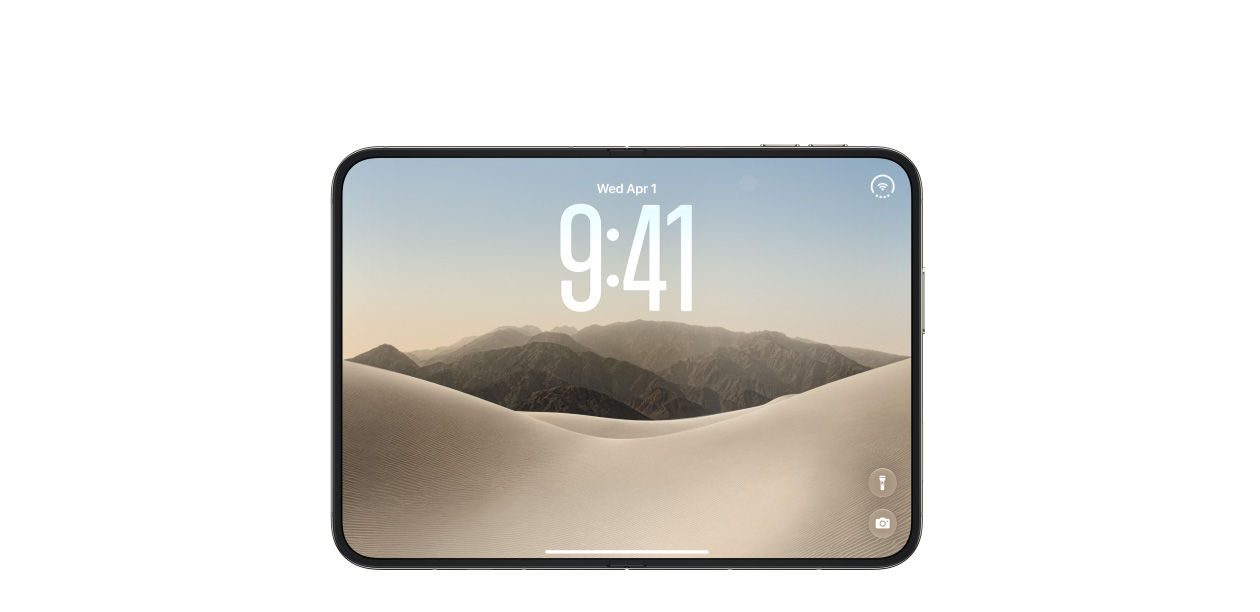
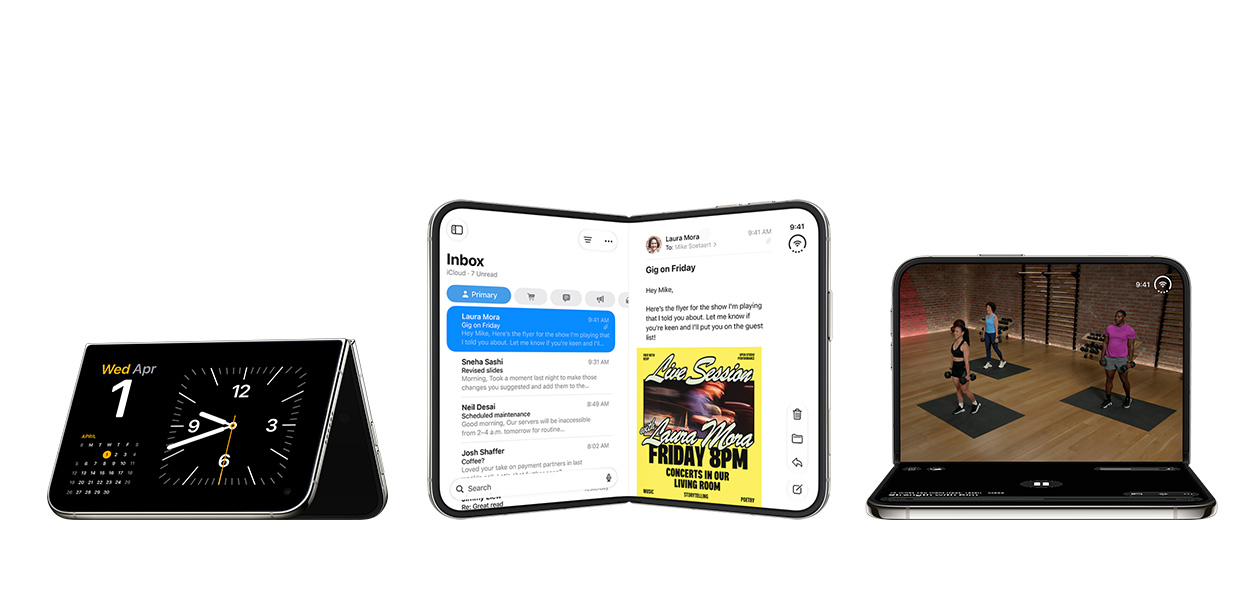
Closed, it works like a conventional smartphone with a 5.4-inch outer display. Open it like a book and users get a 7.6-inch internal screen, creating considerably more room for reading, video, productivity and multitasking.
It runs on the same A20 Pro platform as the iPhone 18 Pro family, but Apple has made different hardware choices to accommodate the folding design.
One of the most noticeable is biometrics. The Duo uses Touch ID instead of Face ID, bringing fingerprint authentication back as the primary unlocking system on an iPhone.
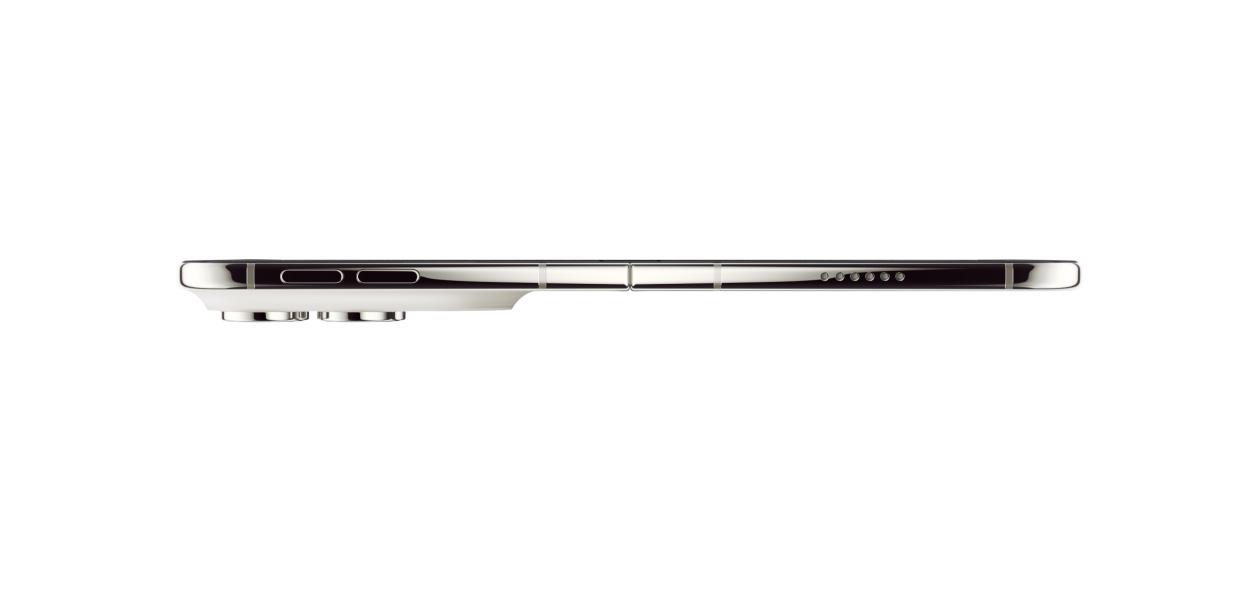
Its rear camera system is also less elaborate than the Pro lineup. The Duo carries wide and ultra-wide cameras rather than trying to squeeze the full Pro camera package into an already complicated folding chassis.
Those compromises reveal Apple’s priorities for its first attempt: make the folding mechanism and larger display work first, rather than turn the device into a foldable version of the Pro Max with every feature intact.
The bigger question is how the hinge and screen will hold up after months—or years—of repeated folding.
That is something specifications alone cannot answer.
The price of being first
The Duo also occupies territory Apple has never entered with an iPhone before: roughly $2,000 territory.
That immediately makes it a specialist product rather than a mainstream replacement for the traditional iPhone.
For early adopters, the appeal is clear. The Duo offers the iPhone experience in a form Apple has never sold before, with a display that can shift between conventional phone use and something closer to a small tablet.
For everyone else, its first generation may be more interesting to watch than to own.
Foldables remain mechanically more complex than standard smartphones. Hinges, flexible displays, durability and repairability introduce considerations that buyers of conventional iPhones rarely need to think about.
Apple entering the category does not make those engineering realities disappear.
No regular iPhone 18 yet
Possibly the most consequential announcement for mainstream buyers is the product Apple didn’t launch.
The standard iPhone 18 is absent from the fall lineup.
Apple is splitting its iPhone release cycle, with the more affordable iPhone 18 family expected to arrive later. That means anyone hoping to buy Apple’s newest standard model this fall has a different decision to make: pay for a Pro, choose an older iPhone at a lower price, or wait.
That change also makes Apple’s September range noticeably more premium.
Instead of using the regular iPhone as the entry point into its newest generation, Apple is putting the spotlight on the Pro line and the substantially more expensive Duo.
So, who should upgrade?
For most people, the iPhone 18 Pro remains the safer choice.
It offers the performance, camera and battery improvements expected from a flagship without requiring users to adopt an entirely different physical format.
The Duo is more interesting but harder to recommend universally. It makes sense for buyers who specifically want a foldable, value the larger internal display and are comfortable paying first-generation prices for first-generation hardware.
Anyone primarily interested in the standard iPhone 18 has the easiest decision of all: wait.
There is also little reason for relatively recent iPhone owners to upgrade simply because a new model exists. The strongest case is for people coming from considerably older hardware, where several generations of accumulated improvements can make the difference feel substantial.

The bigger bet
The most important thing about the iPhone Duo may ultimately have little to do with how many units Apple sells this year.
For years, the smartphone industry has been searching for what comes after the rectangular slab without finding a format that could convincingly replace it. Foldables have come closest, but they have remained a relatively specialized category.
Apple’s arrival gives that category its most important test yet.
The iPhone 18 Pro represents Apple improving a product it already understands extremely well.
The iPhone Duo represents Apple asking whether people are finally ready for the iPhone itself to become something different.
For the first time in years, the most interesting new iPhone is not simply the better one.
It is the one that folds.