
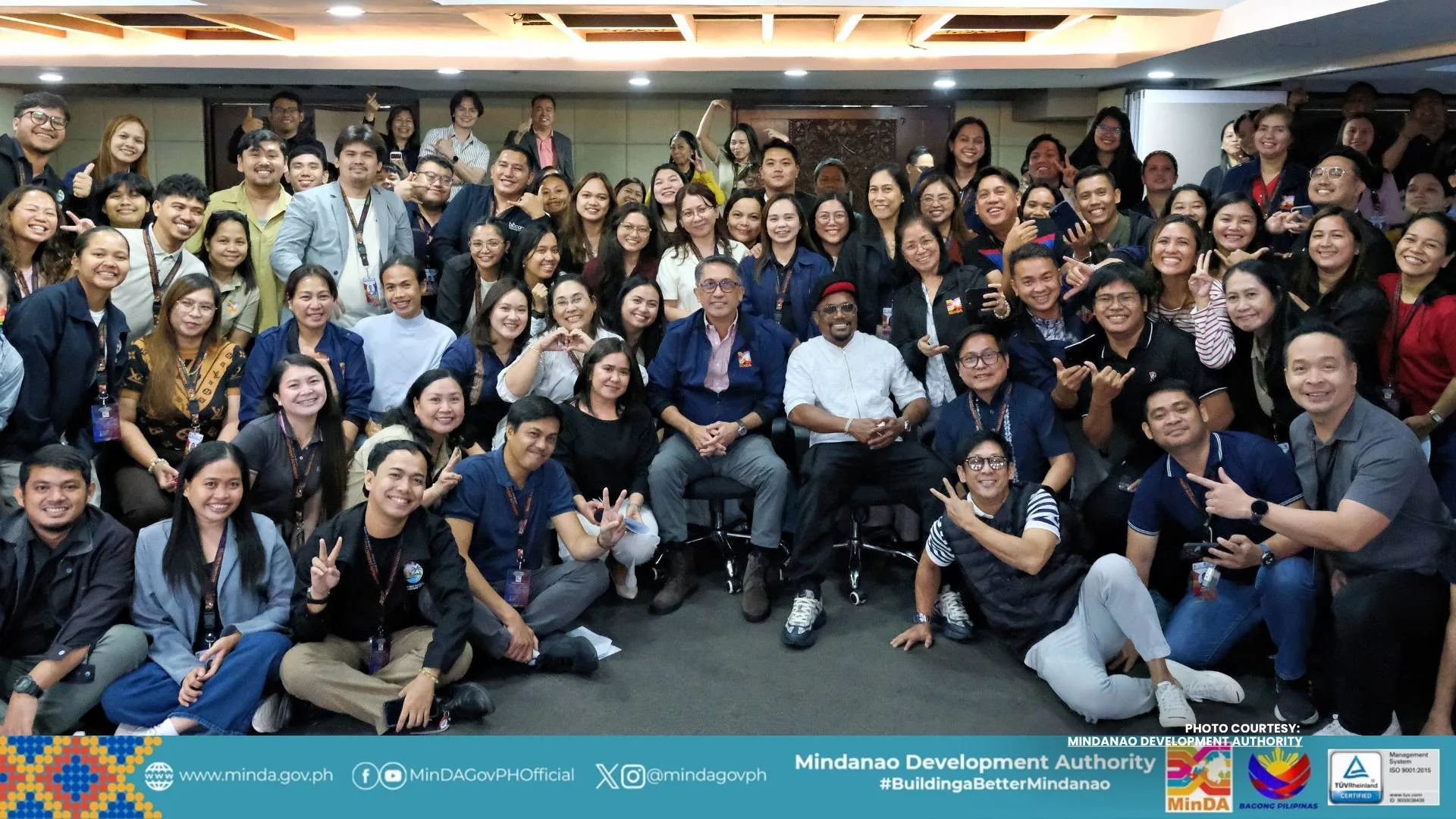
The Mindanao Development Authority (MinDa) is exploring a partnership with Filipino-American global artist and philanthropist Allan Pineda, popularly known as Apl.de.Ap, to advance climate-smart farming, coconut-based enterprises, and agri-technology initiatives in Mindanao.
MinDA Chairperson Secretary Leo Tereso A. Magno said the discussions focused on practical ways to support farmers, strengthen rural livelihoods, and expand sustainable agriculture programs, particularly in coconut-producing communities across the island.
Magno described Apl.de.Ap as a “visionary and philanthropist” whose advocacy for agriculture, entrepreneurship, and community development reflects a deep commitment to helping Filipinos improve their lives.
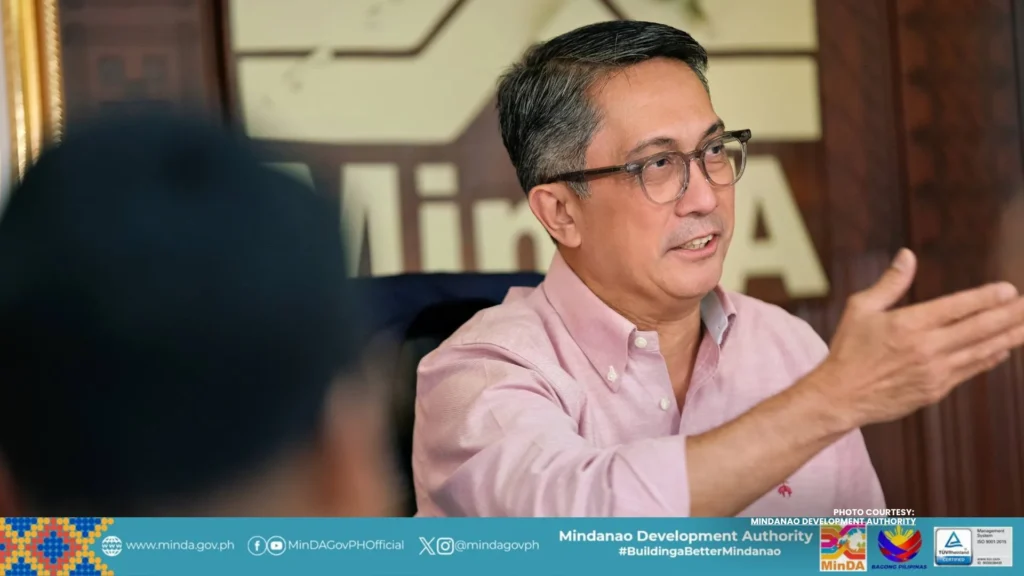
“I see in him a visionary and a philanthropist: someone who, despite all his success, genuinely wants to give back to the community; we discussed agriculture, helping Filipinos who are starting businesses and trying to improve their livelihoods, and many initiatives that can help our people,” Magno said.
“On behalf of all the members of the Mindanao Development Authority, Mr. Apl, anything we can do to support your advocacies and your mission to help Filipinos, we are willing to work with you,” he added.
The meeting covered possible collaboration in sustainable agriculture, farmer support systems, coconut development, agri-innovation, youth participation in farming, and livelihood programs aligned with Mindanao’s long-term development priorities.
Apl.de.Ap, who rose from poverty in Pampanga to become a global music icon, shared how his early life, including his experience working on farms and caring for livestock, shaped his advocacy for Filipino farmers.
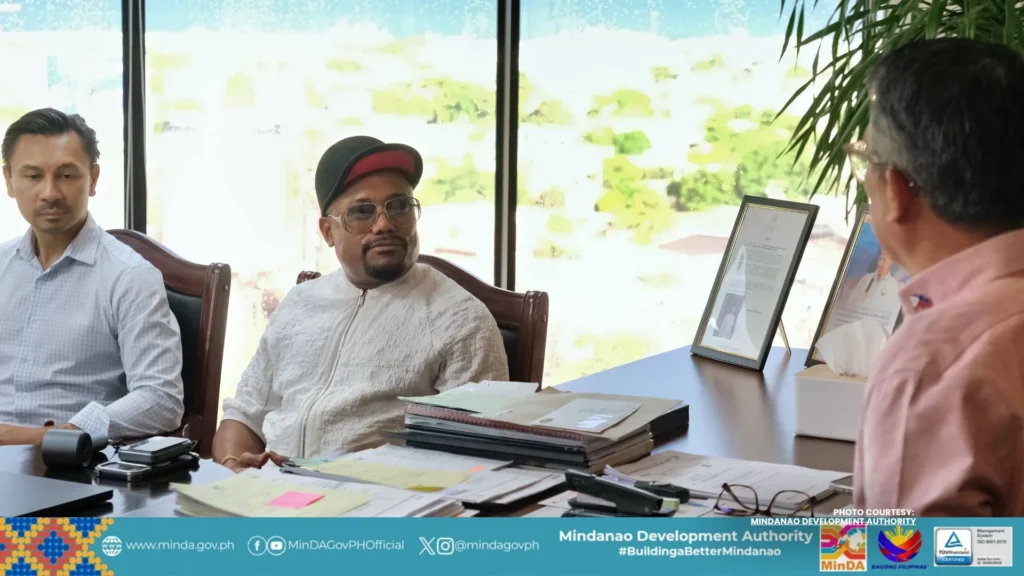
He said his work now seeks to go beyond tree planting by helping farming communities adopt more productive and climate-resilient systems.
“We also learned about the President’s project to plant 100 million coconut trees across the Philippines, but our goal goes beyond simply planting trees because we’re also promoting intercropping by planting high-value crops like coffee and cacao alongside coconuts, which help improve soil health, strengthen farming systems, and provide better income opportunities for farmers,” Apl.de.Ap said.
Through partnerships with the Philippine Coconut Authority, Apl.de.Ap has been supporting initiatives such as the “100 Million Coconut Trees for the Climate” program, coconut-coffee intercropping, biochar production from coconut waste, digital tools for farmers, and livelihood projects designed to raise farmers’ income while improving climate resilience.

The advocacy also highlights emerging opportunities in carbon credits, which could allow farmers to earn from climate-smart practices while contributing to broader sustainability goals.
Apl.de.Ap also emphasized the need to bring practical technology, stronger connectivity, and agro-industrial innovation closer to farming communities so they can improve productivity, reach better markets, and build more stable sources of income.
MinDA said the prospective partnership supports the directive of President Ferdinand Marcos Jr. to accelerate the Philippine Coconut Industry Development Plan and the nationwide target of planting 100 million coconut trees by 2028.
The initiative also complements the administration’s push for climate-resilient agriculture, rural livelihood expansion, and the modernization of the coconut industry, particularly in Mindanao, where agriculture remains a key driver of local economies.