
“Charity does not need a face.”
A parish priest in Batangas criticized a local politician for allegedly using the Catholic Church as a channel for a rice distribution activity that appeared to promote the lawmaker’s name and image.
In his homily during the 9 a.m. Mass at the Parish of Sto. Niño, Fr. Jayson Siapco openly denounced what he described as an attempt to use the Church for political interest, saying charitable work should not become a vehicle for self-promotion.
According to Siapco, a congressman had offered to donate a large volume of rice, allegedly claiming that the aid did not come from government funds but from his own pocket. The politician’s camp reportedly wanted the rice to be distributed through the various parishes.
The priest said the Church initially saw nothing wrong with helping distribute aid to those in need. However, he said church officials made it clear that they would not announce the politician’s name as the donor, to avoid giving the impression that the Church was endorsing him.
“We can do the distribution, but we won’t say that it came from you,” Siapco recalled telling the politician’s group, stressing that charity should not require public credit. He said the group agreed to the condition.
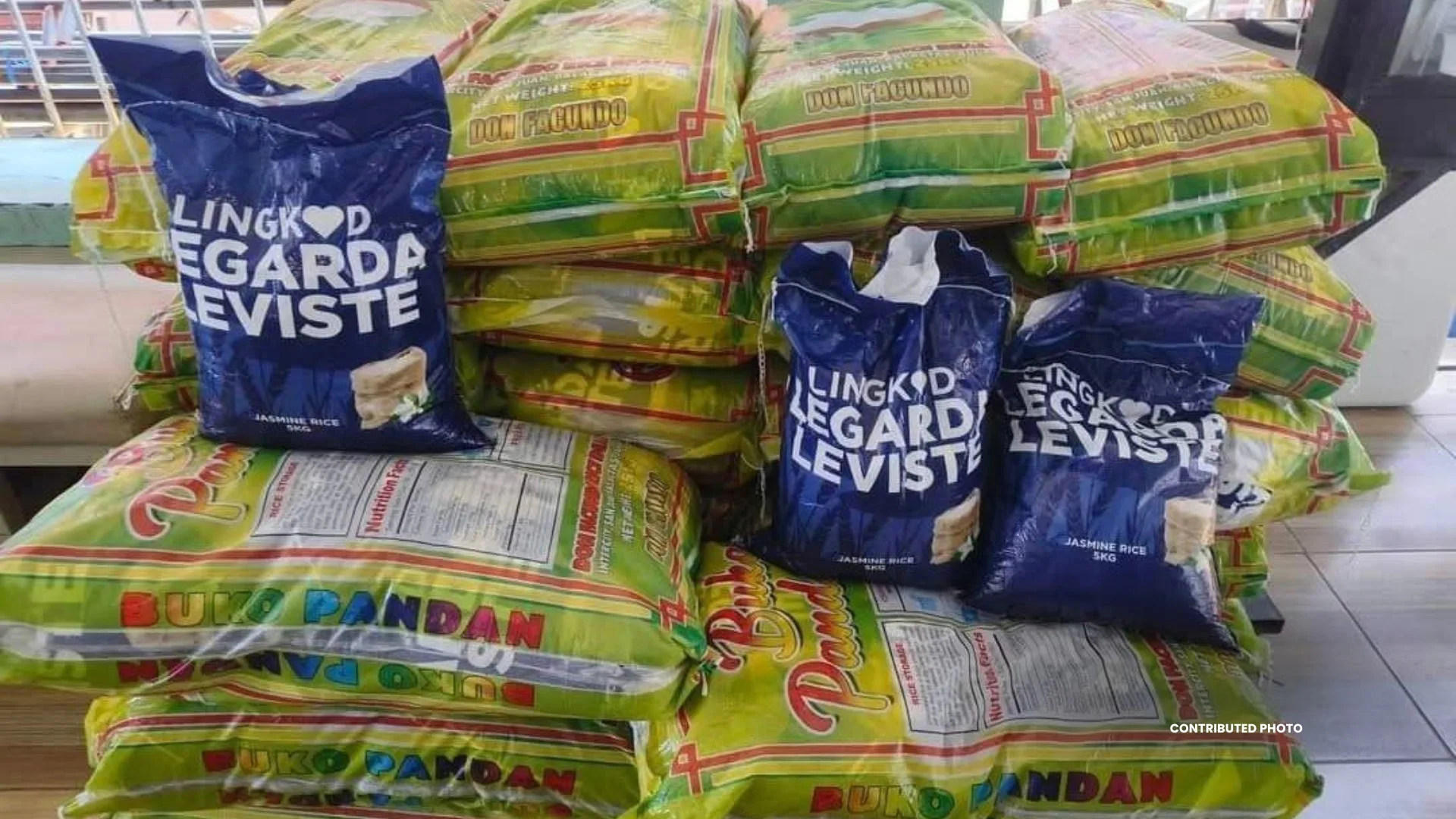
However, the priest said the parish was later surprised when a truckload of rice arrived in 25-kilogram sacks that appeared ordinary from the outside, with only the rice brand and variety printed on the packaging.
When the sacks were opened for distribution, Siapco said the contents had already been repacked into five-kilogram portions. Each smaller pack allegedly bore the politician’s name and face.
The priest said this raised serious concern because the aid was being coursed through the Church, making it appear as though the parish was helping promote a politician while carrying out a charitable activity.
Siapco emphasized that the Church must not be used as a platform for political branding, especially when helping vulnerable communities.
For him, the issue was not the donation itself, but the manner in which it was packaged and distributed. He said genuine charity should protect the dignity of beneficiaries and should not be turned into a campaign-style gesture.
The incident has drawn attention to the long-running concern over politicians attaching their names and images to relief goods and public assistance, a practice often criticized as premature campaigning or patronage politics.
Siapco’s remarks served as a reminder that while the Church may assist in humanitarian work, it must remain independent from political interests and avoid any action that could be interpreted as partisan endorsement.