
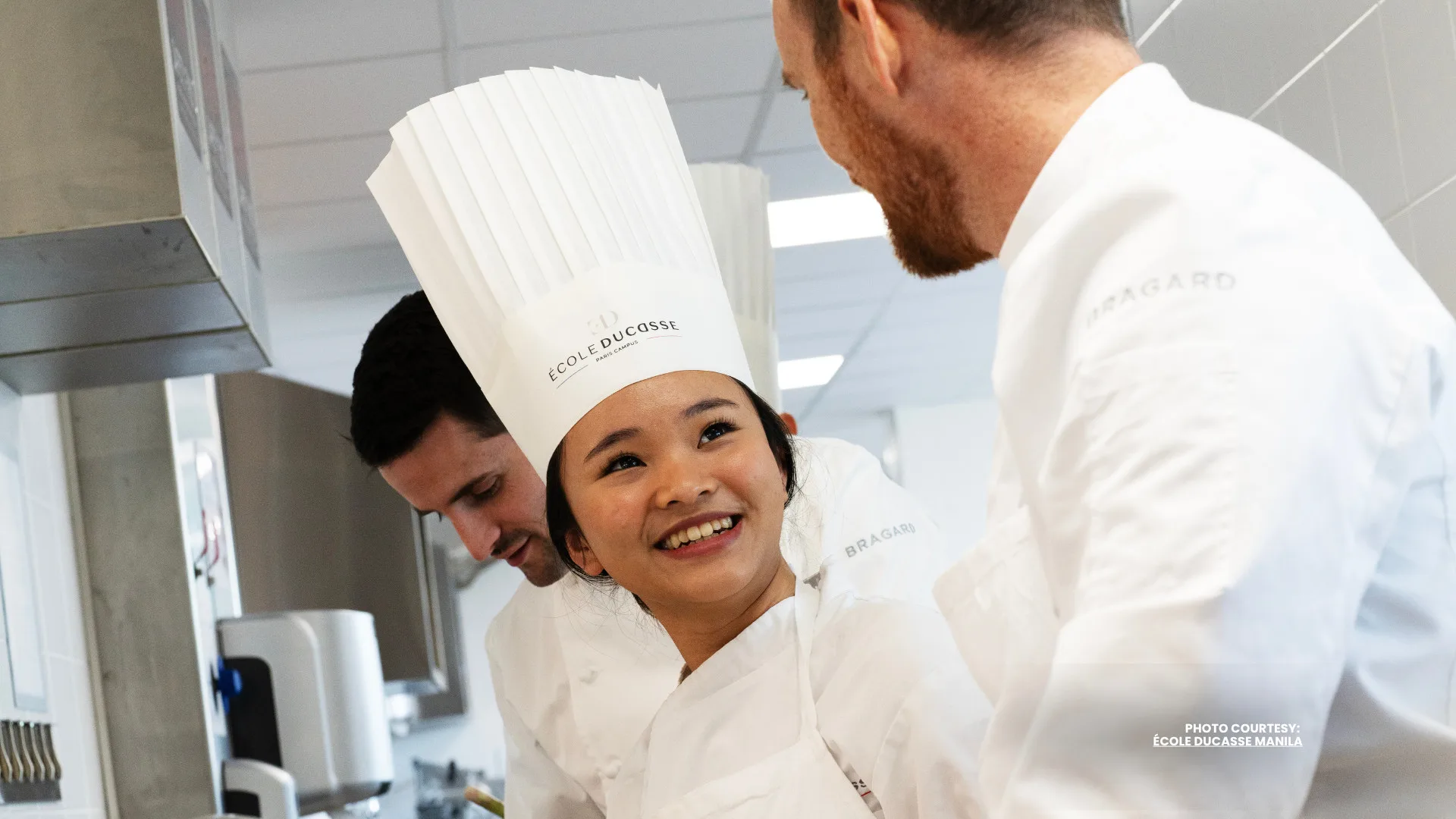
For many aspiring cooks, passion begins at home: a family recipe, a favorite dish, a fascination with pastry, or hours spent watching chefs work online. But turning that interest into a profession requires more than enthusiasm. It demands technical discipline, repetition, and training in the systems that define a real kitchen.
That is the gap formal culinary education tries to address.
At École Ducasse Manila at Enderun Colleges in Taguig, culinary training is structured around the idea that cooking is both craft and profession. Students are taught not only how to prepare dishes, but how to work with precision, timing, hygiene, organization, and consistency, skills that separate casual cooking from professional kitchen work.
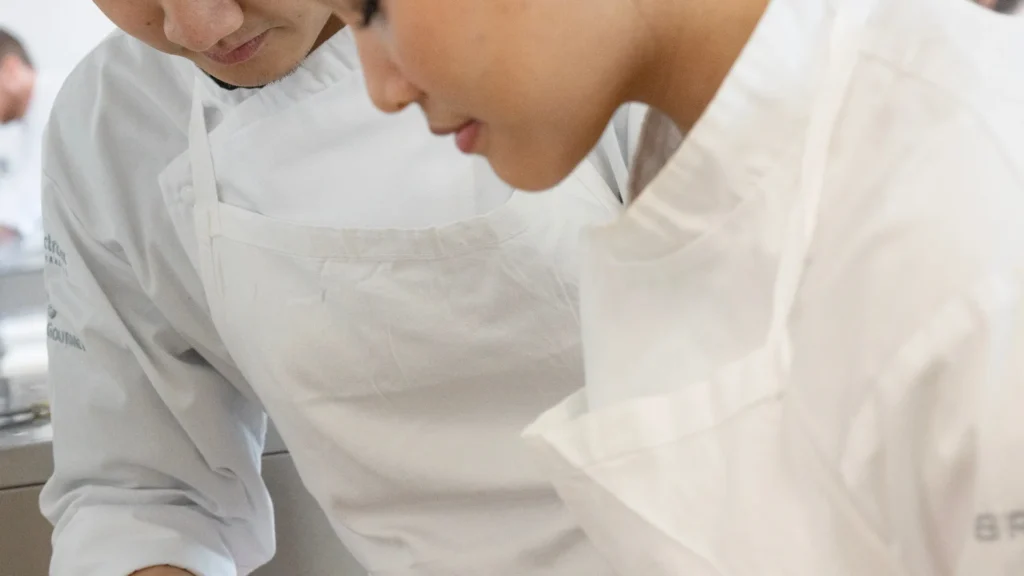
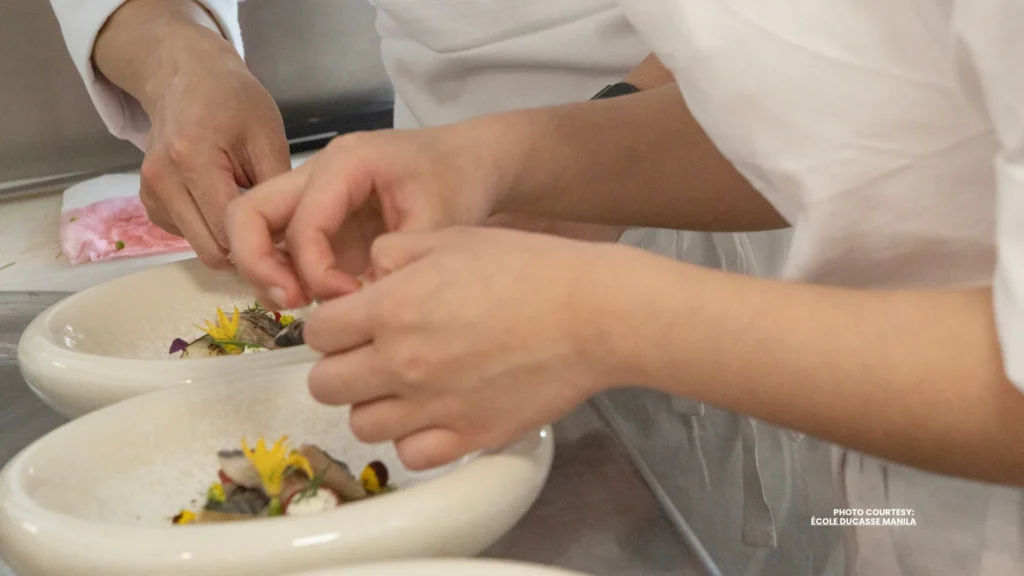
For those pursuing a more advanced culinary pathway, the school offers the Certificate in Professional Culinary Arts and the Diploma in Professional Culinary Arts and Kitchen Management. These programs cover kitchen operations, food preparation, and culinary management, with an emphasis on practical application.
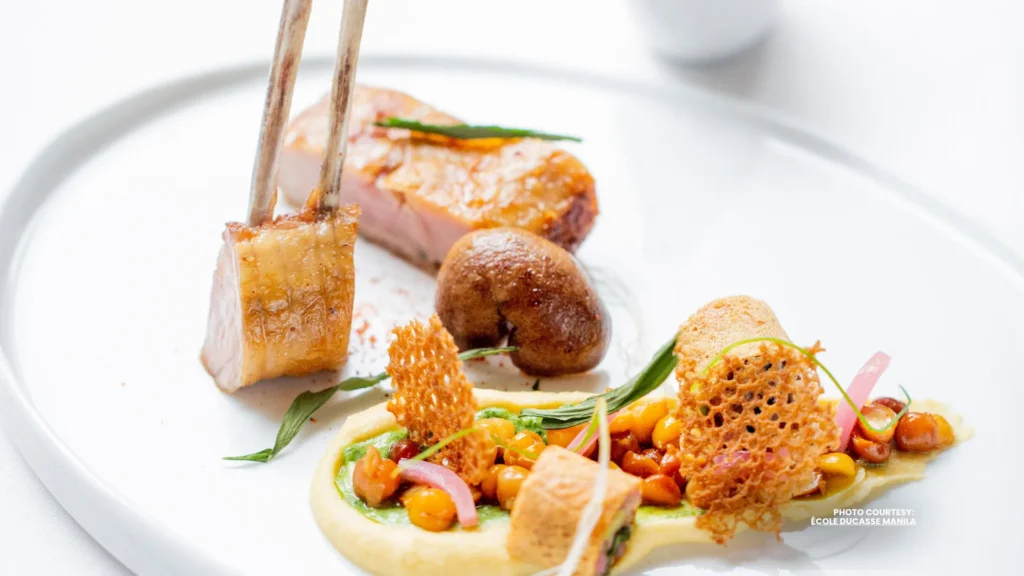
The training also includes internship placements that expose students to professional kitchen environments, either locally or internationally, depending on the program track and placement opportunities. This is a crucial part of culinary education, as students learn how kitchens operate under real pressure: service hours, team coordination, quality control, and the discipline of producing consistent work.
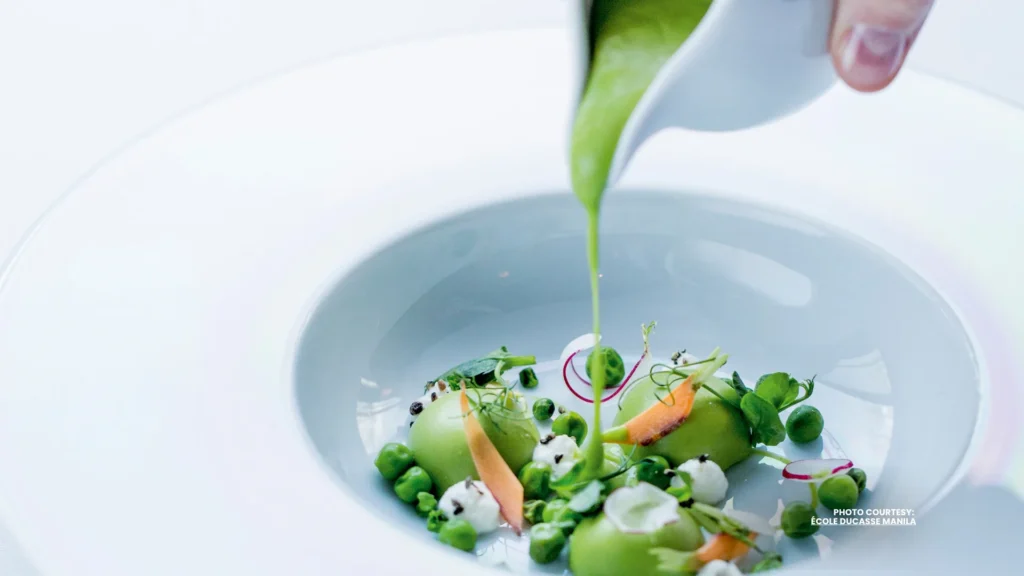
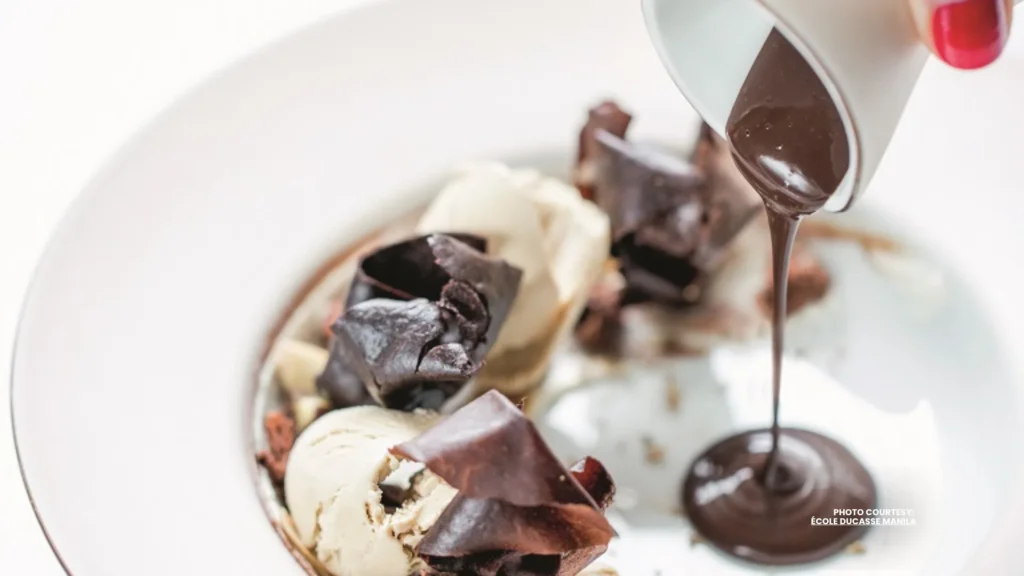
The same approach applies to pastry and baking, where precision is often even less forgiving. École Ducasse Manila’s Pastry Arts Program is designed for students who want to build skills in baking, dessert work, and French patisserie. Training includes fundamental and advanced techniques such as viennoiserie, entremets, chocolate work, plated desserts, and artisan bread-making.
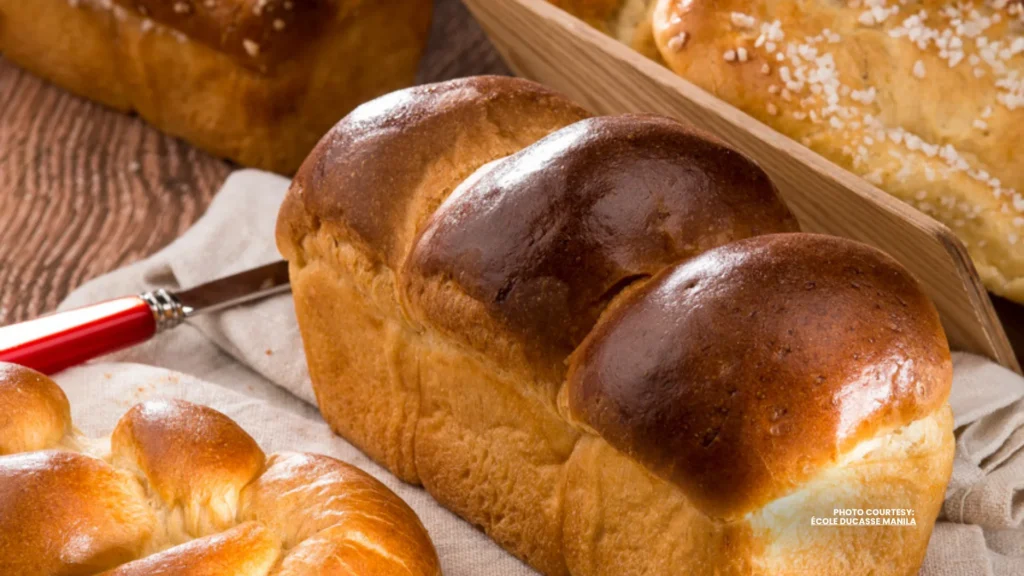
For those focused specifically on bread and bakery arts, the Certificate in Artisan Bakery Arts provides more concentrated training in traditional and contemporary baking methods. Students work with products such as brioche, sourdough, croissants, and other international bread varieties, while also learning the science behind fermentation, dough development, and bakery production systems.
The school also offers short courses and immersive workshops, including Discover Cuisine, for learners who want a more introductory experience before committing to a full professional program.
Across its programs, École Ducasse Manila uses kitchen facilities, internationally aligned curricula, and chef-led instruction to introduce students to the standards expected in professional culinary work. But the broader point is not simply where one studies. It is what serious training requires: patience, discipline, humility, and the willingness to repeat a technique until it becomes reliable.
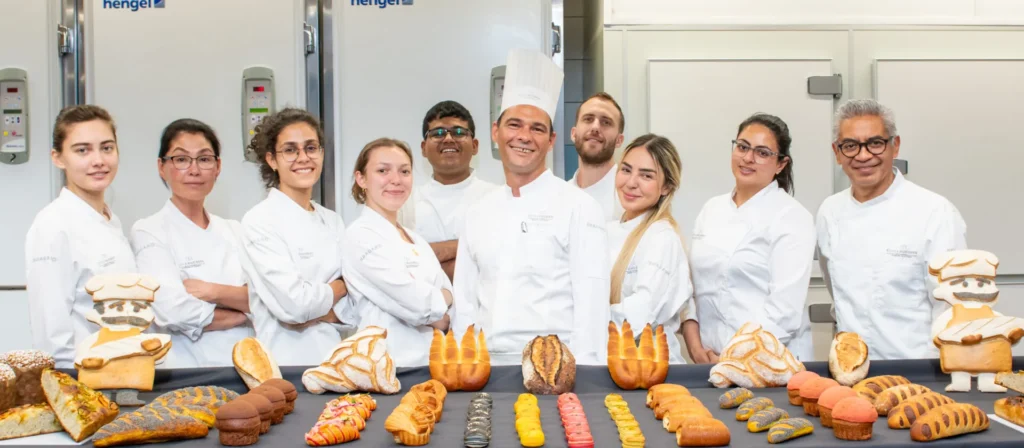
In a food scene that continues to grow in the Philippines, formal culinary education offers one route for aspiring chefs, pastry artists, and bakers to move from interest to skill, and eventually from skill to profession.
Enrollment is open for upcoming intakes, with program details available through École Ducasse Manila and Enderun Colleges.