
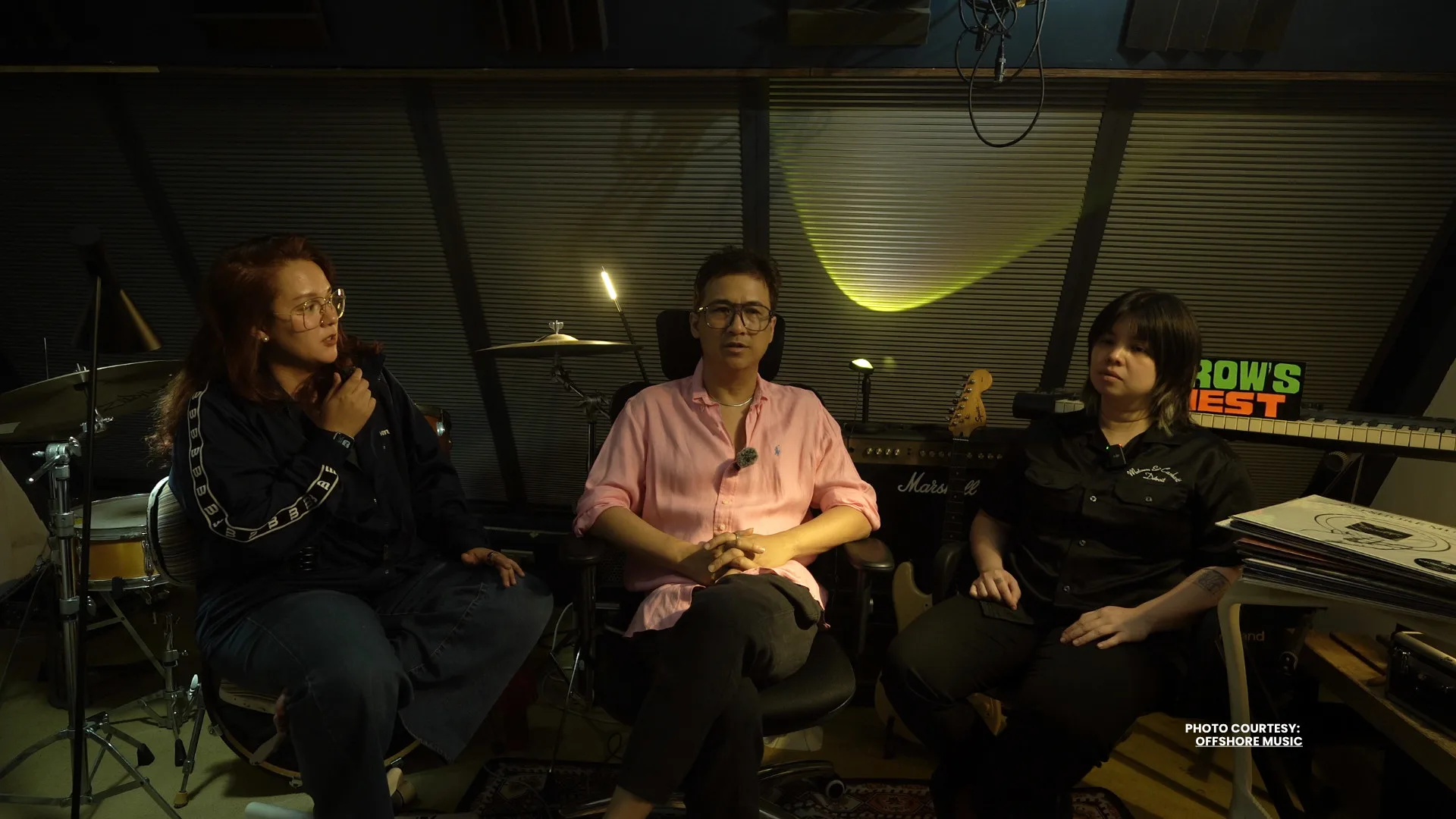
In 2016, as the music industry was racing toward streaming platforms, playlist pitching, and digital-first releases, a small Filipino label chose to press its first vinyl record. There was no major distribution machinery behind it, no obsession with algorithms, and no attempt to chase the fastest route to visibility. There was only a belief that a record, pulled from its sleeve and placed on a turntable, could still offer something more lasting than a song buried in a playlist. That label was Offshore Music.
Ten years later, Offshore is still pressing records, still backing artists on its own terms, and still standing as one of the most distinctive names in the Philippine independent music scene.
To mark its 10th anniversary, Offshore is releasing a five-part documentary series that traces its journey from an idealistic upstart into a respected independent label. Built on archival footage, candid interviews, and behind-the-scenes reflections, the Offshore Music PH 10th Anniversary Docuseries looks beyond the usual anniversary celebration. It tells a story of risk, sacrifice, creative conviction, and the difficult work of building something meant to last.
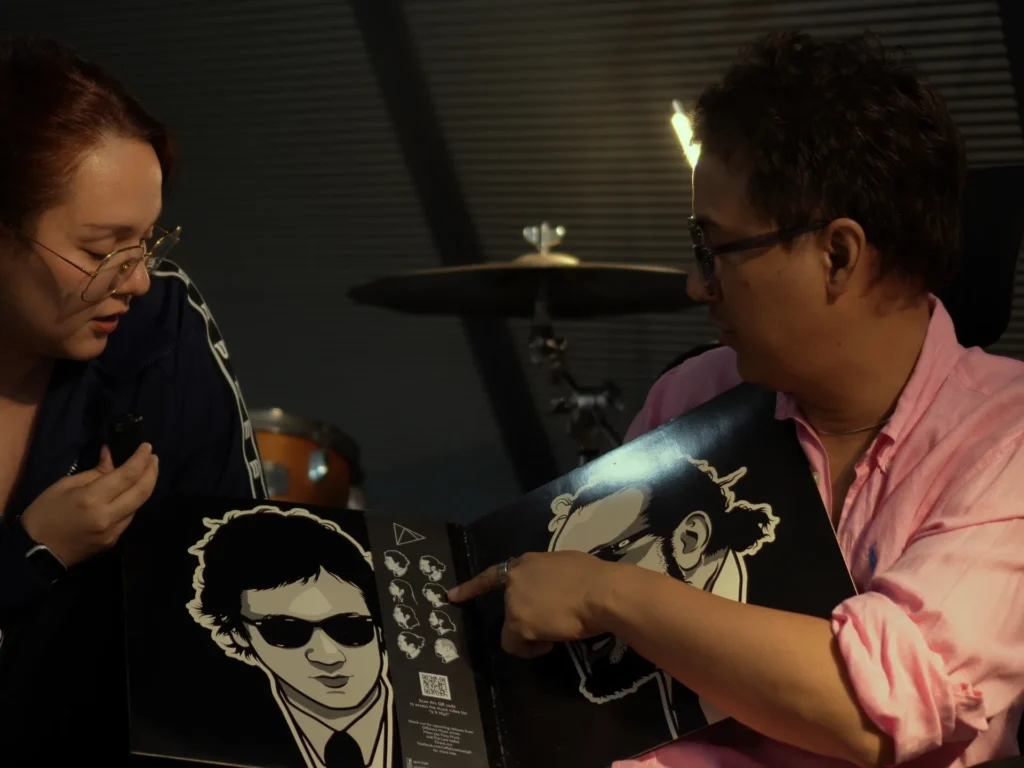
At the center of Offshore is Ely Buendia, whose place in Filipino music is already well established. But the label is not presented as a vanity project. Buendia describes it simply: “We’re just avid fans of music.”
That attitude runs through the label’s approach. For A&R Director Pat Sarabia, signing artists is not driven by stream counts or social media numbers. The work begins with listening.
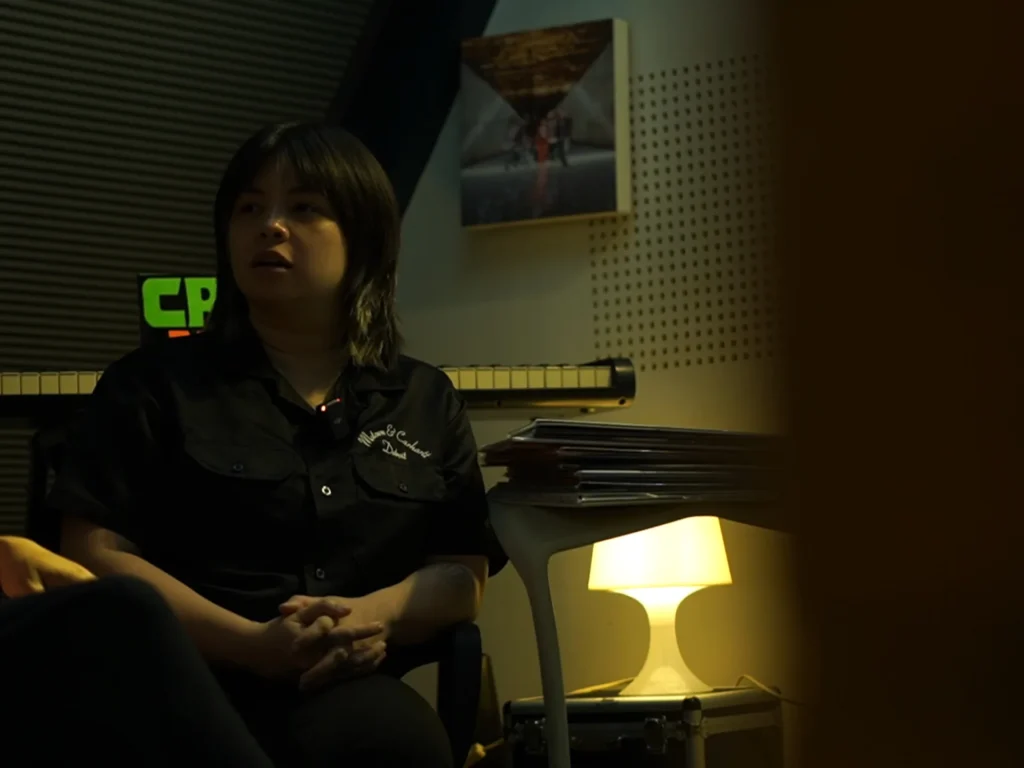
“We listen,” Sarabia says. “We determine the artist’s positioning in the landscape of the scene, and build from there.”
In an industry increasingly shaped by metrics, that approach feels almost defiant. Offshore’s bet has always been on the music first, then on the long process of helping artists find where they belong.
General Manager Audry Dionisio says the label has tried to prove that independent music can be handled with fairness, structure, and respect for the artist.
“We always put the artists’ creativity and music first before anything else,” Dionisio says. “I think we’ve shown the industry that it’s possible to have fair contracts and collaboration that benefit both the label and the artist.”
The docuseries is structured like a record, with each episode opening another side of the label’s story. The first episode, One Vision, One Product, returns to Offshore’s beginnings through a roundtable discussion among its board members. It revisits the decision to champion vinyl at a time when physical formats seemed to be losing ground to digital convenience.
The following episodes explore the roster, the planning, the financial pressure, and the personal stories behind the releases. They also show the less romantic side of running a record label, where belief in music must be matched by organization, patience, and constant communication.
“The reality is that it’s not a glamorous job,” Sarabia says. “It involves a solid system, lots of communication, and interpersonal connections for it to work.”
That honesty gives the documentary its weight. Offshore is not portrayed as a myth or a machine, but as a group of people holding a fragile idea together through taste, labor, and trust.
Among the milestones featured in the series is the first vinyl pressing of Ultraelectromagneticpop!, a release that captured what Offshore has always tried to do: honor Filipino music history while making it tangible for a new generation of listeners and collectors.
The series also follows the label’s growing international presence, including partnerships that have helped bring Filipino artists into wider conversations beyond the country.
What makes Offshore Music’s story compelling is not just that it survived for 10 years. It is that it did so without fully surrendering to the speed and pressure of the modern music business. While others chased virality, Offshore chose patience. While the industry measured attention, Offshore invested in records, artists, and the slow work of building a catalog.
A decade in, the needle is still on the record. Offshore Music is still listening.