
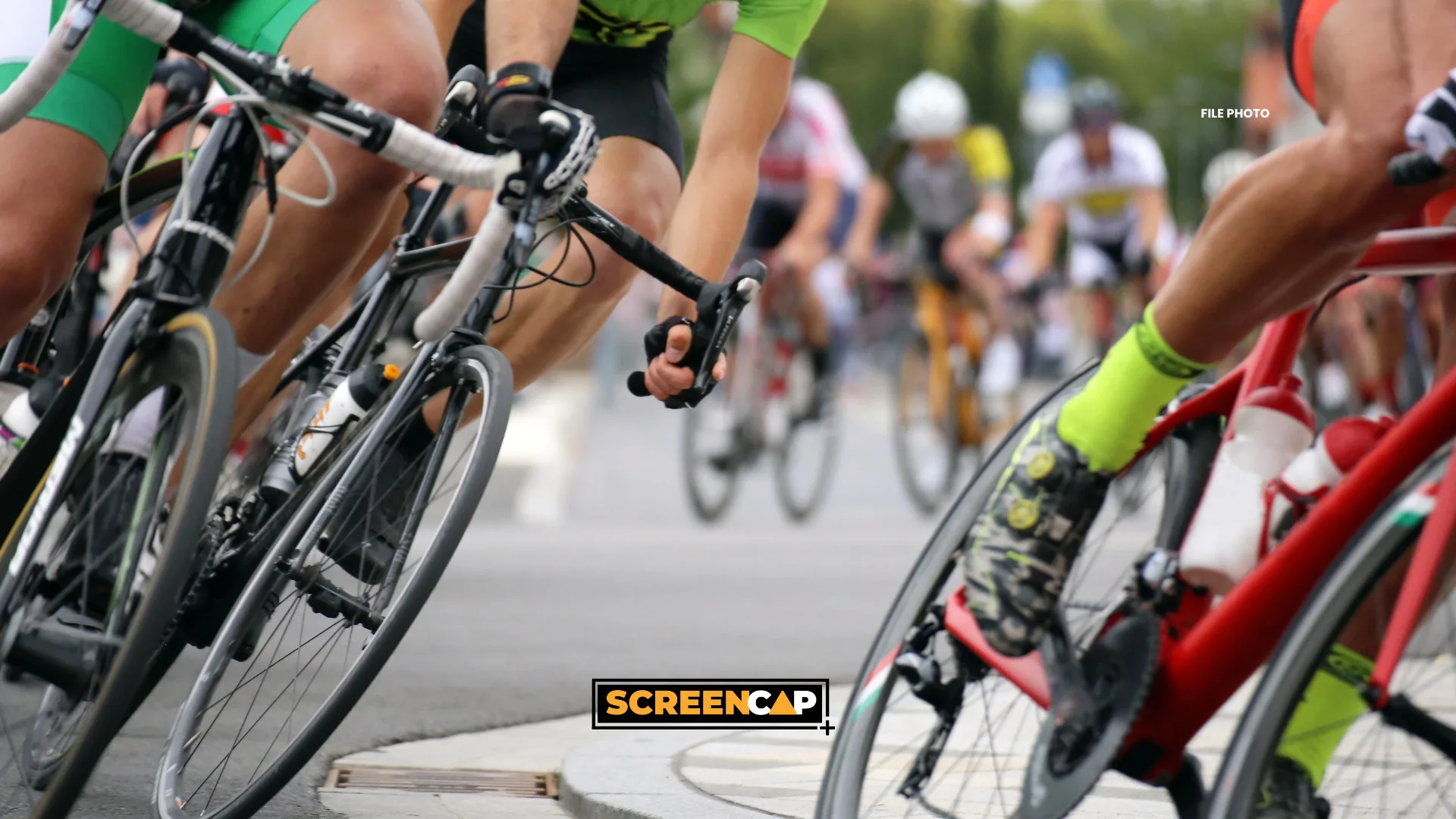
The future of the MPTC Tour of Luzon may no longer be confined to Luzon alone, as Philippine sports officials look at transforming the historic race into a nationwide cycling spectacle patterned after Europe’s biggest competitions.
Philippine Sports Commission (PSC) Commissioner Patrick Gregorio said organizers are now exploring ways to expand the scope of the Tour of Luzon, including the possibility of staging parts of the race in other regions such as the Visayas.
The proposal, according to Gregorio, is part of a broader effort to elevate Philippine cycling and make the country’s premier road race more globally competitive.
“What we should think about is how to grow the Tour of Luzon bigger, not necessarily with more stages, but bigger in scope,” Gregorio said.
“Maybe we [will] try to expand. Maybe we start in another place, like the Tour de France. The Tour de France does not always start in France; it sometimes starts in other countries,” he added.
The idea mirrors the evolving format of the Tour de France, which has held opening stages in neighboring European countries to widen international interest and attract larger audiences.
While the race may eventually stretch beyond Luzon geographically, Gregorio said its identity and legacy as the Tour of Luzon would remain intact.
The PSC commissioner emphasized that expanding the race is not only about spectacle but also about strengthening the development pipeline for Filipino cyclists by exposing them to more demanding conditions and larger-scale competitions.
The recently concluded 2026 edition covered 1,800 kilometers over 14 grueling stages before finishing in Baguio City, pushing riders through punishing climbs and long-distance endurance tests.
“1,800 kilometers is no joke. Fourteen stages, ilang akyatan yan. It’s not easy. These are super athletes. Cyclists are super athletes,” Gregorio said.
Beyond race organization, Gregorio said the PSC is also actively identifying Filipino riders with the highest potential to compete internationally.
“Actually, I’ve been asking around kung sino talaga ang may pinaka-potential na Filipino riders,” he said.
He stressed that sustained support, elite-level training, and regular exposure to high-caliber races are necessary if the country hopes to produce a cyclist capable of competing in Europe’s top professional circuits.
For Gregorio, the long-term dream remains ambitious but achievable: seeing a Filipino rider eventually compete in the Tour de France.
“It’s not impossible. We just need to pour our resources and training into them. Lalaban at lalaban yan,” he said.
Preparations for the 2027 edition are already being eyed as organizers continue to refine plans for what could become the country’s biggest cycling event yet.
“Pangarap talaga natin na makapunta sa Tour de France, kaya paghahandaan ulit natin yung 2027 Tour of Luzon,” Gregorio said.