
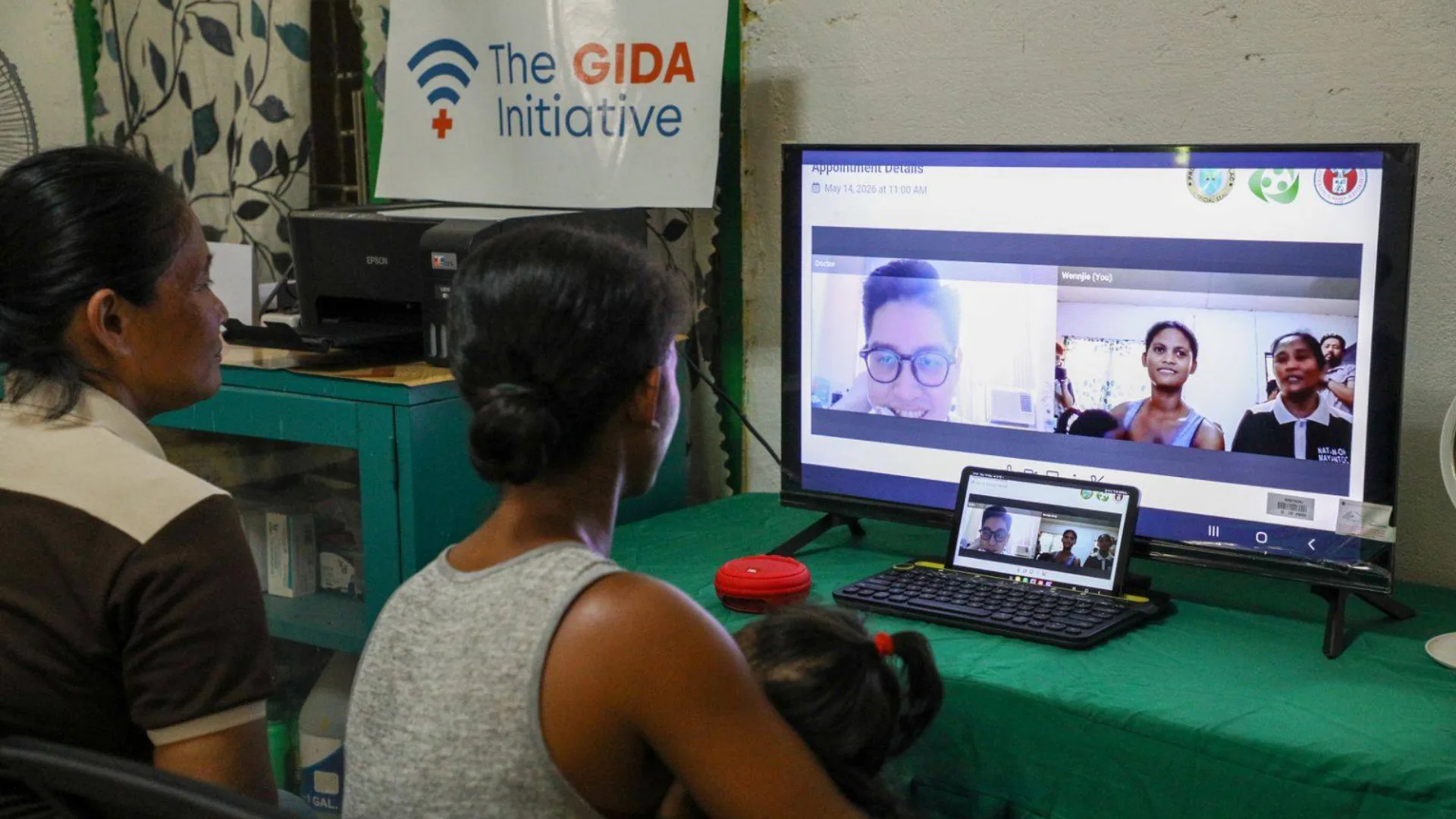
A remote indigenous community in the uplands of Tarlac no longer needs to endure hours of mountain travel just to consult a doctor after a digital healthcare facility was launched inside a public school in Mayantoc town.
The Department of Education (DepEd) recently joined the rollout of an Assisted Video Consultation Room at Labney Integrated School, bringing telemedicine services directly to learners and residents in one of the province’s geographically isolated communities.
For years, the school’s 279 indigenous learners and their families had to travel around 24 kilometers across steep mountain terrain to reach the nearest health facility, often discouraging residents from seeking immediate medical attention.
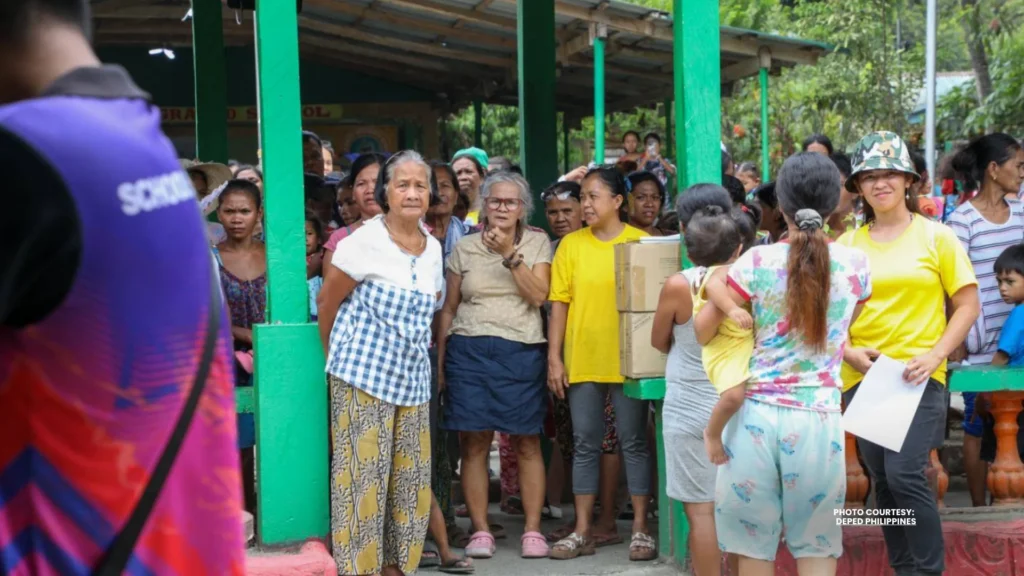
The new telehealth facility, introduced under Project GIDA through a partnership involving the UP Resilience Institute and the Geographically Isolated and Disadvantaged Areas (GIDA) Initiative, aims to bridge that gap by connecting remote communities with doctors and medical specialists through satellite internet technology.
Education Secretary Sonny Angara said the project reflects the government’s push to ensure that marginalized communities benefit from modern technology and accessible public services.
“Sa tulong ng teknolohiya, hindi na kailangang maglakbay ng malayo ang ating mga mag-aaral para lamang makita ng doktor, dahil ang kalinga ng pamahalaan ay narito na mismo sa loob ng kanilang paaralan,” Angara said.
The consultation room is equipped with Starlink satellite internet, digital tablets, a television monitor, and telemedicine software that allow residents to communicate directly with healthcare professionals during consultations.
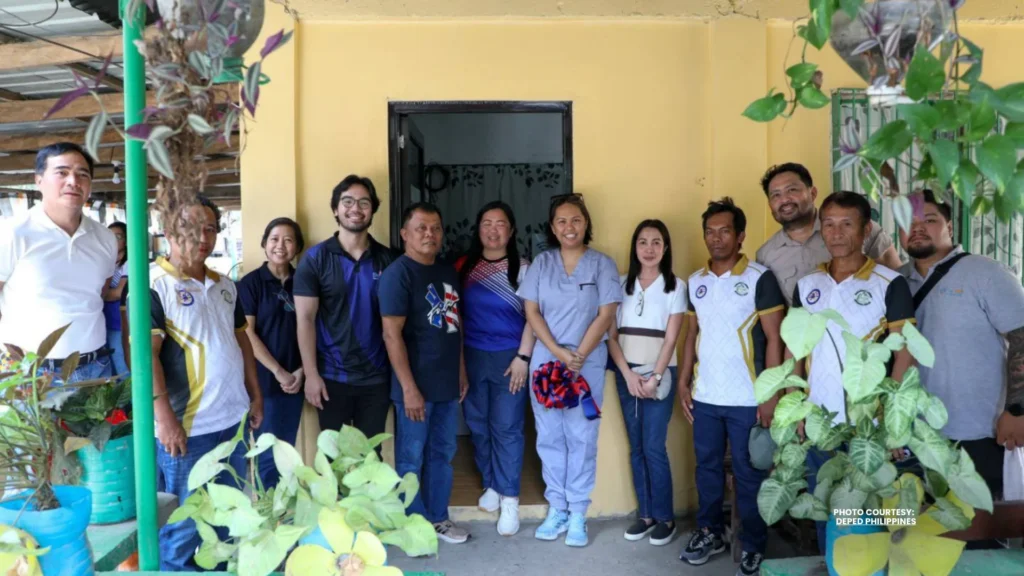
School principal Michelle Felipe said the facility now serves as an emergency healthcare access point for residents who previously struggled with transportation and travel costs.
“Through this telemedicine, kung halimbawa may emergency at kailangan na ng consultation biglaan, i-turn on mo lang yung gadget and then pwede mo na kausapin yung doktor na pwedeng mag-assist,” Felipe said.
Students also welcomed the development, saying it would help them avoid missing classes whenever they fall ill.
Learner Lorie Nicolas recalled how difficult it was to seek medical attention due to the lack of transportation in the area.
“Thankful po kami kasi yung mga expert na doktor na po ang lumalapit sa amin. Hindi na po namin kailangan pumunta sa baba for check-up po. Yung mga walang sasakyan, pwede na po nilang lakarin lang dito po sa school,” Nicolas said.
Parents and guardians likewise expressed relief over the availability of accessible healthcare services within the community.
“Kahit hindi na kami pupunta sa bayan, makakausap na namin yung doktor na tumingin sa amin,” said guardian Imelda Francisco.
DepEd said the initiative forms part of broader efforts to strengthen school-based health programs and improve the physical and mental well-being of learners, particularly in geographically isolated and disadvantaged areas.