
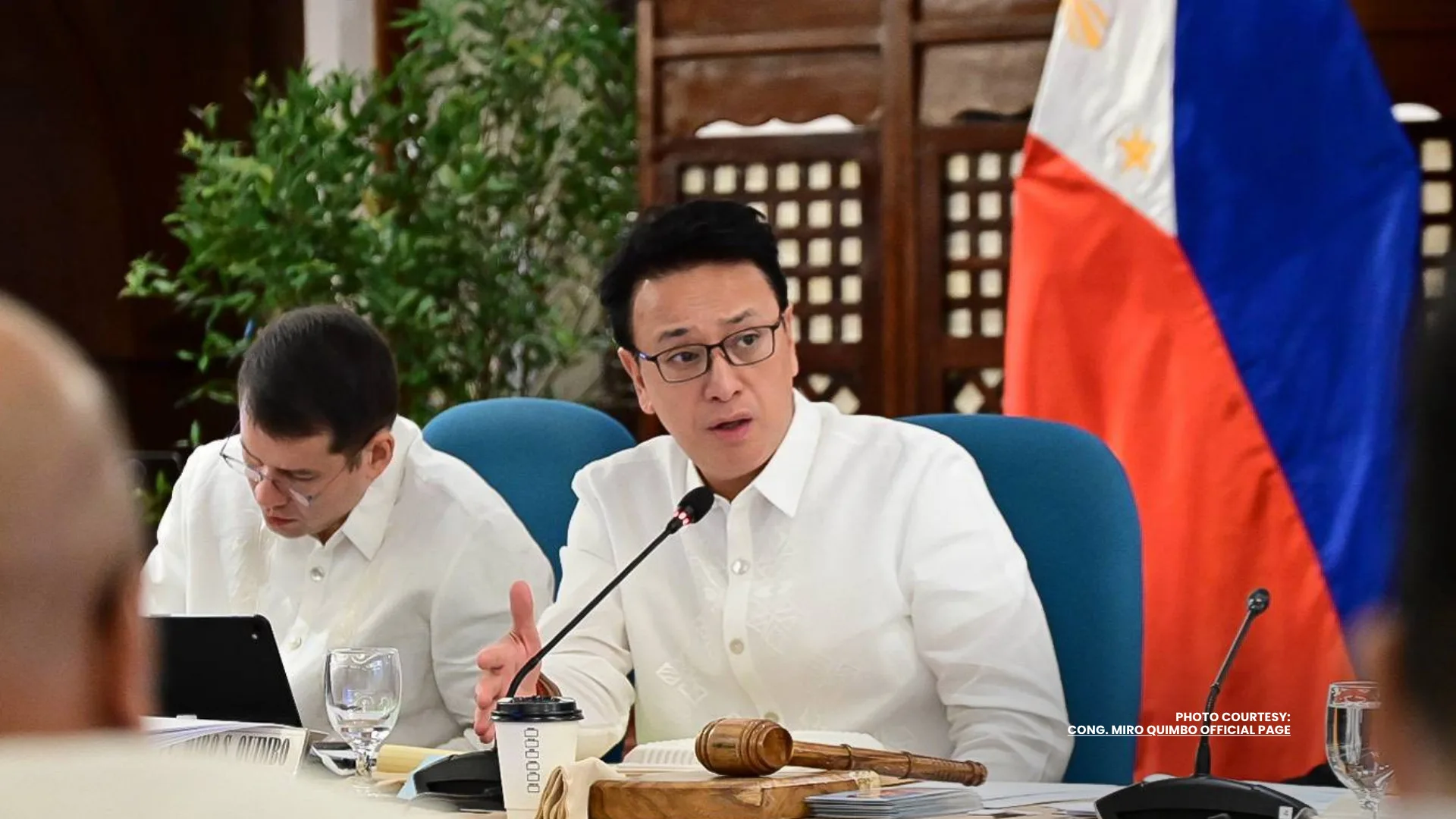
A House ad hoc committee has approved the consolidated KALINGA Bill, a proposed measure that seeks to establish a comprehensive government response system for Filipinos affected by fuel price spikes, inflation, and other economic disruptions.
The Ad Hoc Committee on Legislative Energy Action and Development (LEAD), chaired by Marikina City Rep. Miro Quimbo, endorsed the measure after two months of hearings and deliberations, paving the way for plenary consideration in the House of Representatives.
The KALINGA Bill, or the proposed Komprehensibong Alalay sa Livelihood, Inflation, Negosyo, at Goods Assistance Act, aims to provide targeted assistance to sectors most vulnerable to rising fuel costs and inflation, including poor households, public transport drivers, farmers, fisherfolk, and micro, small, and medium enterprises (MSMEs).
Quimbo said the proposed measure aims to create a more organized and long-term government response during periods of severe oil price volatility and economic uncertainty.
“This measure seeks to ensure that government responses during fuel and inflation crises are faster, more coordinated, and more responsive to the needs of affected sectors,” Quimbo said during the committee proceedings.
Under the proposed framework, the government would establish mechanisms for fuel supply security, targeted financial assistance, logistics and essential goods stabilization, MSME support, and energy conservation measures.
The bill also seeks to strengthen coordination between government agencies and the private sector to minimize disruptions affecting transportation, food production, household income, and business operations during energy-related emergencies.
The proposed KALINGA Program contains seven major components: fuel price mitigation, energy supply and inventory management, targeted assistance, logistics stabilization, MSME energy relief, energy conservation measures, and flexible fiscal and regulatory interventions.
Lawmakers said the measure is intended to provide a ready framework that can be activated during future fuel-related crises instead of relying on temporary or ad hoc responses.
The committee-approved version incorporates inputs from executive officials, business groups, and private sector stakeholders who participated in the hearings.
The measure was originally filed as House Bill No. 8834 and principally authored by Speaker Faustino “Bojie” Dy and House Majority Leader Ferdinand Alexander “Sandro” Marcos.
Following committee approval, the proposed measure will move to plenary deliberations for possible passage by the House.