
The Philippines is looking to expand the scope of next year’s Balikatan exercises with allied nations by introducing more complex scenarios, advanced technologies, and broader operational activities amid growing security concerns in the Indo-Pacific.
Speaking during the closing ceremony of Balikatan 2026 at Camp Aguinaldo on Friday, Defense Secretary Gilberto Teodoro Jr. said future military exercises would focus on becoming “more purposive and impactful,” with emphasis on quality and capability rather than simply increasing troop numbers.
“Larger in scope but not necessarily in scale,” Teodoro said, explaining that the 2027 exercises may include additional activities and operations in different areas, particularly along the country’s eastern seaboard.
The defense chief said he hopes to incorporate more technology-driven operations, improved transfer of learning, and stronger interoperability among allied forces.
“This is a deterrence exercise as much as it is a training exercise,” Teodoro said, stressing the importance of preparing for potential threats while maintaining regional stability.
According to him, the Philippines continues to strengthen defense partnerships to preserve peace and ensure a secure environment for Filipinos.
“But the reality of the world is that you cannot secure a safe space for people to live the way they want if you do not ironclad this space,” he said.
Teodoro also revealed that he is set to meet with defense counterparts during the upcoming Shangri-La Dialogue, Asia’s premier defense summit, to discuss regional resilience and broader security cooperation with like-minded nations in support of a “free and open Indo-Pacific.”
He admitted that this year’s Balikatan exercises encountered operational limitations but described the drills as a valuable “exercise on problem-solving on all levels.”
Armed Forces of the Philippines chief Romeo Brawner Jr. said the exercises highlighted the growing strength of military cooperation among participating countries and reinforced the AFP’s modernization and defense readiness efforts.
“Interoperability cannot be developed overnight. Trust cannot be built only in moments of crisis,” Brawner said, emphasizing the importance of regular joint exercises in maintaining regional security.
Meanwhile, Admiral Samuel Paparo, Commander of the Indo-Pacific Command, described the Balikatan as a critical exercise for 21st-Century warfare and mutual defense cooperation between the Philippines and the United States.
Paparo warned of increasing security risks in the Indo-Pacific, citing aggressive territorial actions and excessive maritime claims in the region, although he did not directly mention China.
Balikatan 2026 officially opened on April 20 and involved more than 17,000 military personnel from the Philippines, the United States, Japan, Canada, Australia, New Zealand, and France.
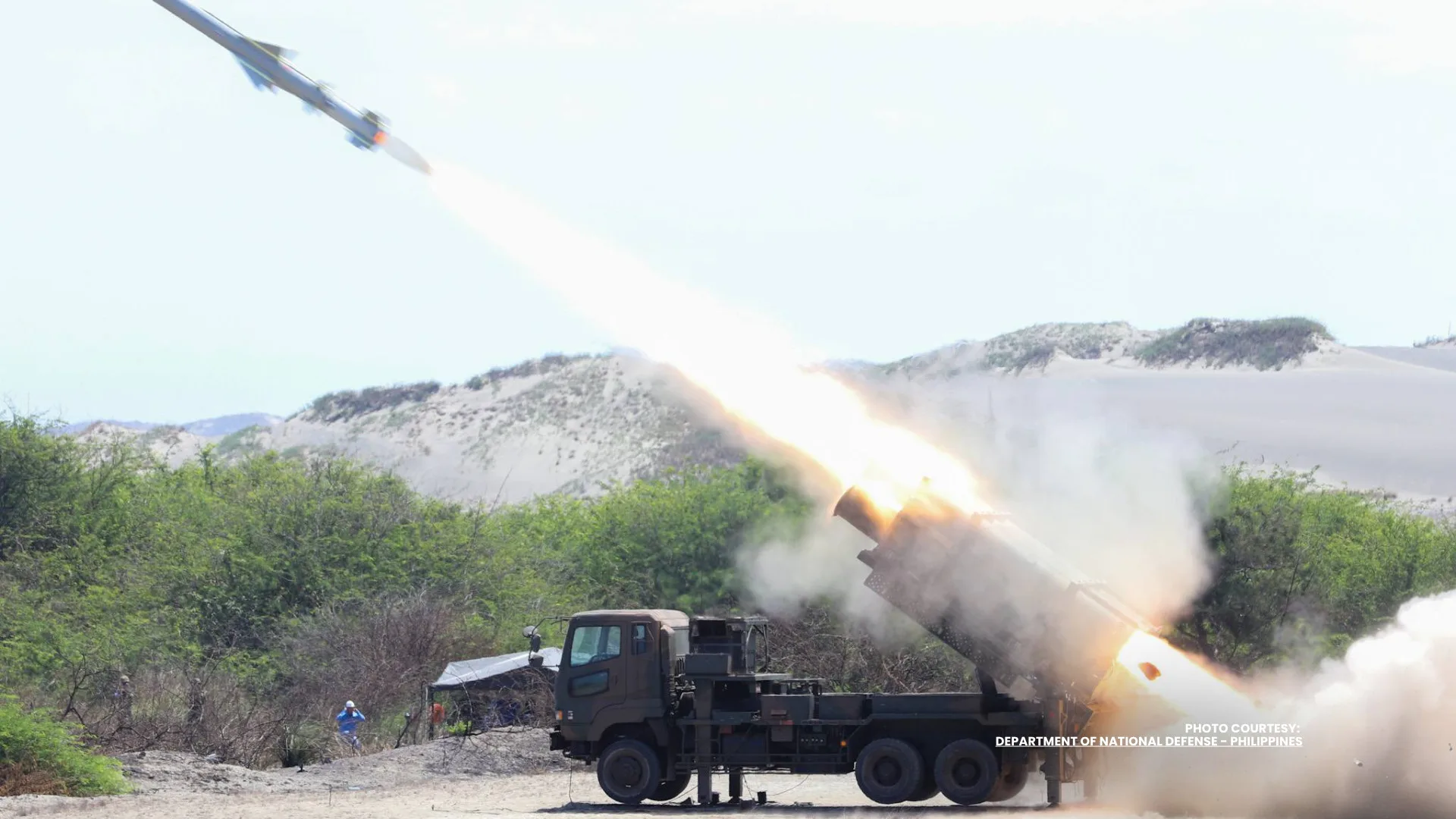
One of the highlights of this year’s exercises was the maritime strike exercise conducted off Paoay, Ilocos Norte, where Japan’s Type 88 surface-to-ship missile system successfully fired missiles that sank a decommissioned Philippine Navy vessel.
President Ferdinand Marcos Jr. observed the exercise from Camp Aguinaldo.